What It Means When Rasbora Stay Vertical
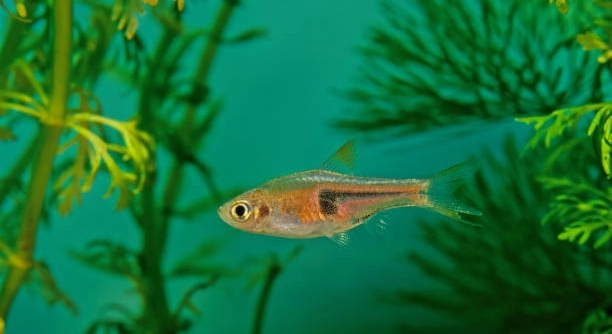
Many aquarium owners notice their rasboras suddenly staying vertical in the tank. This unusual posture can catch the attention of both new and experienced fishkeepers. Understanding why this happens helps ensure the health of these small, lively fish. When rasboras stay vertical, it often indicates a swim bladder issue or stress affecting their buoyancy. This … Read more

7 Sound Vibrations That Impact Rasbora

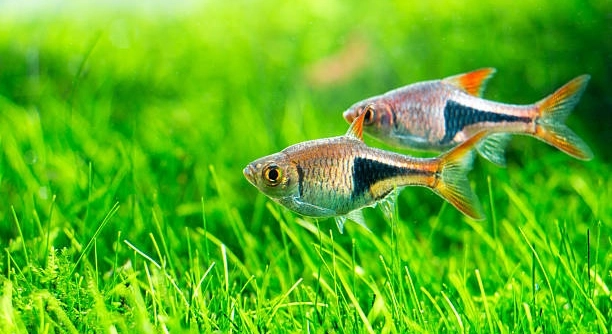
Rasboras are small, colorful fish popular in home aquariums. Many owners enjoy watching their peaceful swimming and vibrant colors. Understanding how their environment affects them is important for keeping them healthy and happy. Sound vibrations in an aquarium can influence Rasbora behavior, stress levels, and overall well-being. Different frequencies may cause calming effects or provoke … Read more

Why Rasbora Might Act Hyper Suddenly

Rasboras are small, peaceful fish often kept in home aquariums. Sometimes, these fish suddenly start swimming quickly or darting around without clear warning. This sudden hyperactivity can be surprising for many aquarium owners. Rasboras may act hyper suddenly due to environmental changes, stress, or the presence of perceived threats. Factors such as water quality fluctuations, … Read more

7 Focal Points Rasbora Return To

Many aquarium enthusiasts enjoy watching the lively behavior of seven focal points rasboras. These small fish are known for their striking appearance and interesting swimming patterns. Understanding where they prefer to spend their time can improve their care and tank setup. Seven focal points rasboras tend to return to specific areas in their environment, including … Read more

Why Rasbora Might Hover Under Leaves

Rasboras are small freshwater fish often found in home aquariums. They have a habit of hovering beneath leaves or other plants in their environment. This behavior is common and can be noticed by many fish enthusiasts. Rasboras hover under leaves primarily for protection and comfort. The leaves offer shelter from predators and reduce stress by … Read more

7 Tips for Taking Rasbora Photos

Taking clear and attractive photos of rasboras can be challenging due to their small size and quick movements. Many photographers struggle with lighting and focus when trying to capture these lively fish. Knowing some basic tips can help improve your results. The key to successful rasbora photography lies in proper lighting, steady camera settings, and … Read more

How Rasbora Adjust to Colored Lighting

Do your rasboras behave differently when you switch on colored lights in their tank, leaving you puzzled about their sudden change? Rasboras adjust to colored lighting through changes in behavior, stress response, and activity levels. Their sensitivity to light wavelengths influences how they perceive their environment, with some colors enhancing their natural colors and others … Read more

7 Ways to Make Rasbora Tanks More Natural

Keeping a Rasbora tank natural helps create a healthy environment for these small, active fish. A natural tank enhances their behavior and overall well-being. Many hobbyists aim to replicate the Rasbora’s native habitat as closely as possible. Creating a natural Rasbora tank involves using live plants, appropriate substrate, and hiding spots like driftwood or rocks. … Read more

7 Strange Rasbora Swimming Loops Explained

Rasboras are small, active fish often seen in home aquariums. Their swimming patterns sometimes include unusual loops that can catch the eye of many fishkeepers. These loops may seem strange but have specific reasons behind them. The strange swimming loops of rasboras are caused by natural behaviors such as schooling, territorial display, and environmental exploration. … Read more

7 Times Rasbora Might Get Distracted Easily

Do you ever notice your rasbora swimming quickly across the tank, only to pause suddenly, distracted by something small? These tiny fish have a way of catching attention easily, reacting to even subtle changes in their environment. Rasbora are prone to distraction due to their natural instincts, sensitivity to movement, and social behavior. External stimuli … Read more