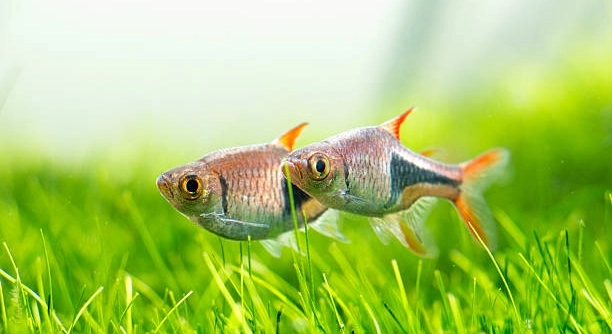
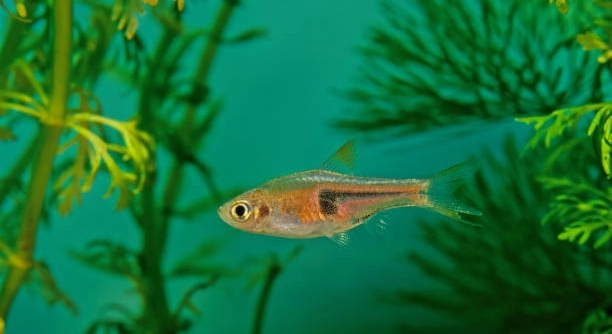
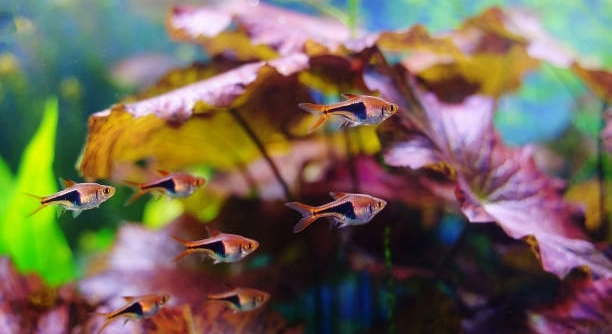
7 Cues Rasbora Are Ready for New Tankmates
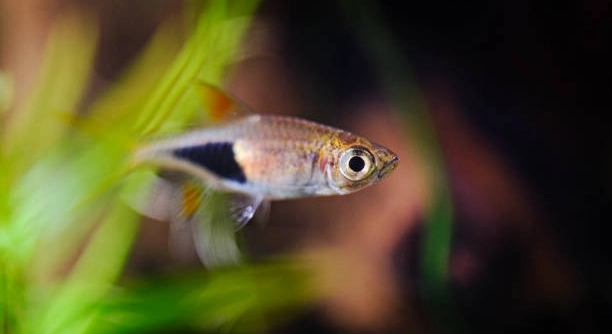
Rasboras are small, peaceful fish often kept in community tanks. When adding new tankmates, it’s important to observe their behavior carefully. Understanding when rasboras are ready for new companions helps maintain harmony in the aquarium. Rasboras show readiness for new tankmates through several key signs: calm swimming patterns, balanced schooling behavior, consistent feeding habits, and … Read more

Why Rasbora Might Hover Near New Plants

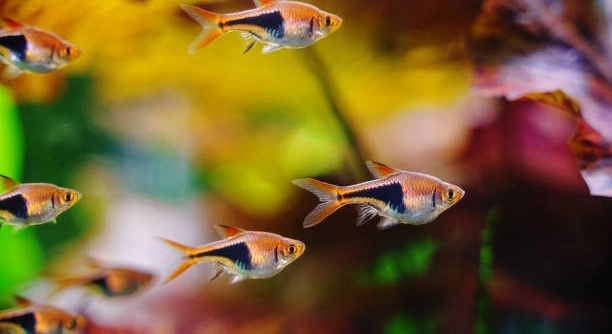
Rasboras are small, active fish that often explore their aquarium environment. They tend to stay near new plants when introduced, showing a natural behavior that can be interesting to observe. Understanding this habit helps keep them comfortable. Rasboras hover near new plants primarily because these plants offer shelter and a sense of security in unfamiliar … Read more

Do Rasbora Ever Compete for Space?

Rasboras are popular small fish often kept in home aquariums. Many aquarists enjoy their peaceful nature and vibrant colors. However, questions arise about how they interact with each other in confined spaces. Rasboras generally do not compete aggressively for space as they are schooling fish with a tendency to share territory. However, in overcrowded or … Read more

7 Things to Know Before Buying Rasbora

Rasboras are popular freshwater fish known for their small size and peaceful nature. Many aquarists enjoy keeping them because they add color and movement to tanks without requiring complex care. Knowing the basics before purchasing can help you provide the right environment for these fish. Before buying Rasboras, it is important to understand their specific … Read more

How to Train Rasbora to Eat from Hand

Training Rasbora fish to eat from your hand can be a rewarding experience for any aquarium enthusiast. These small, active fish are known for their quick movements, making hand-feeding a gentle challenge. With patience, you can build trust and enjoy closer interactions with your Rasbora. The process of training Rasbora to eat from the hand … Read more

Do Rasbora Move Differently in Larger Tanks?

Do you keep Rasbora fish and notice how they behave in different tanks? Their movement can sometimes seem to change depending on the size of their environment. Observing these changes can help improve their care and comfort in your aquarium. Rasbora do move differently in larger tanks because they have more space to swim freely … Read more

7 Tips to Keep Rasbora Active

Keeping Rasbora fish active is important for their health and overall well-being. These small, vibrant fish thrive best in environments that encourage movement and natural behaviors. Proper care can help maintain their lively nature in home aquariums. The key to keeping Rasbora active involves providing suitable tank conditions, a balanced diet, and environmental enrichment. Maintaining … Read more

7 Fascinating Rasbora Reactions to Mirrors

Have you ever watched your rasbora swim in its tank and noticed how it reacts to its reflection? These small fish have unique behaviors when they see themselves in mirrors. Their responses can reveal interesting insights about their nature. Rasboras exhibit a variety of reactions to mirrors, including curiosity, aggression, and social behaviors. These responses … Read more

Why Rasbora Swim Straight into Glass

Do you ever find yourself watching your rasboras swim straight into the glass, unsure if it’s normal or something to worry about? The most common reason rasboras swim into the glass is due to confusion caused by reflections or lack of environmental enrichment. Clear tank walls, improper lighting, or a sparse setup can disrupt their … Read more

7 Natural Rasbora Behaviors That Look Odd

Many people enjoy keeping rasboras as peaceful additions to their aquariums. These small fish often show curious actions that can seem unusual at first glance. Understanding their behavior can help you appreciate their unique ways better. Rasboras exhibit several natural behaviors that may appear odd but serve important purposes such as communication, feeding, and survival. … Read more