7 Ways Rasbora Handle Territory Disputes

Territory disputes are common among rasboras, small freshwater fish known for their lively behavior. These fish establish boundaries to protect resources like food and shelter. Understanding how rasboras manage these conflicts helps improve their care in home aquariums. Rasboras handle territory disputes through a combination of displays, chasing, and subtle physical interactions. They use visual … Read more

7 Activities Rasbora Repeat Often

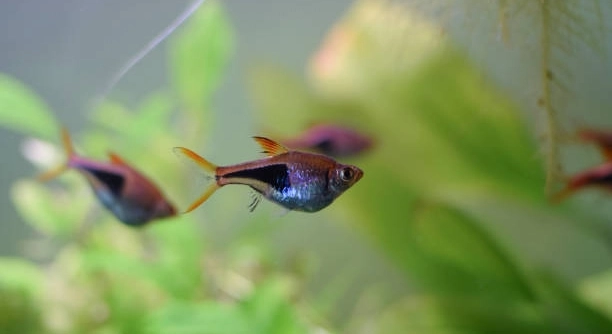
Rasboras are small, lively fish often kept in home aquariums. They have simple habits that repeat daily, making them interesting to watch. Knowing their common activities helps in understanding their behavior better. Rasboras frequently swim in groups, explore their surroundings, rest in shaded areas, forage for food, interact with tank mates, respond to changes in … Read more

7 Reasons Rasbora Might Swim Upside Down

Rasboras are popular small fish often found in home aquariums. Sometimes, they may swim upside down, which can surprise many fish keepers. This behavior might indicate specific issues or natural traits in these lively little swimmers. Upside-down swimming in Rasboras is usually caused by swim bladder problems, poor water quality, stress, infections, or injury. These … Read more

Why Rasbora Might Swim With Their Bellies Down

Rasboras are small, colorful fish popular in home aquariums. Observing their behavior can be interesting, especially when they swim with their bellies down. This unusual posture often catches the attention of aquarium enthusiasts. Rasboras swim with their bellies down mainly due to health issues, water quality problems, or stress. This behavior can indicate swim bladder … Read more

7 Ways Rasbora Investigate New Items

Rasboras are small, curious fish often found exploring their environment. They pay close attention to anything new in their tank. Their behavior shows how they investigate unfamiliar objects carefully and patiently. Rasboras explore new items through a series of behaviors such as approaching cautiously, circling around objects, tapping with their mouths, and observing changes in … Read more

7 Things That Disrupt Rasbora Schools

Rasboras are small, peaceful fish that thrive when kept in groups. They are popular choices for many aquariums due to their active schooling behavior. However, several factors can disturb their natural grouping, causing stress and behavioral changes. Rasbora schools can be disrupted by sudden changes in water conditions, aggressive tank mates, inadequate tank size, poor … Read more

7 Cues That Rasbora Feel Exposed

Rasboras are small, colorful fish often kept in home aquariums. They thrive best when they feel safe and secure in their environment. Noticing when they feel exposed helps maintain their well-being and comfort. Rasboras exhibit signs of feeling exposed through behaviors like hiding, rapid swimming, clamped fins, reduced activity, loss of color, erratic movements, and … Read more

Why Rasbora Nudge Each Other

Rasboras are small, peaceful fish often seen gently nudging each other in their aquatic environment. These subtle touches are a normal part of their behavior, showing interaction within their group. This article explains why rasboras engage in this unique habit. Rasboras nudge each other primarily to communicate social signals and establish boundaries within their school. … Read more

Why Rasbora Don’t Like Bare Tanks

Rasboras are small, peaceful fish often kept in home aquariums. Many owners want their tanks to look clean and simple, sometimes choosing bare tanks without plants or decorations. However, this setup may not suit rasboras well. Rasboras do not thrive in bare tanks because they rely on plants and hiding spots for comfort and security. … Read more

Do Rasbora Remember Tank Changes?

Many aquarium enthusiasts enjoy keeping Rasboras due to their peaceful nature and vibrant colors. These small fish often experience tank changes, whether moved for cleaning or decoration. Understanding how Rasboras respond to these changes is important for their care and well-being. Research indicates that Rasboras have a limited memory of tank changes. They may recognize … Read more