7 Signs Your Rasbora Is Investigating Something
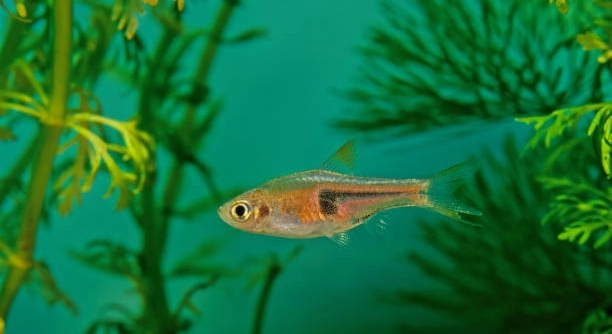
Rasboras are small, active fish that often show curious behaviors in their tank. Watching them investigate their surroundings can be quite fascinating and sometimes puzzling. These signs reveal how engaged they are with their environment. Rasboras display investigation behaviors through distinct actions such as closely following objects, swimming in tight circles, pausing frequently, and using … Read more
7 Things Rasbora Do When They’re Nervous

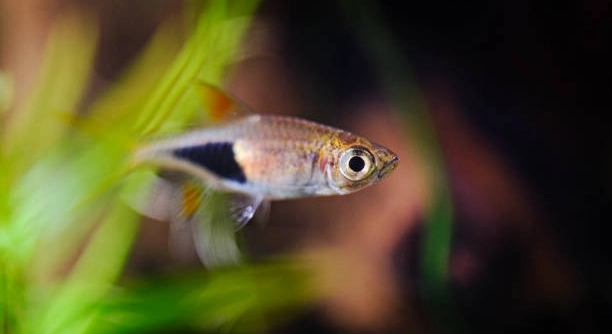
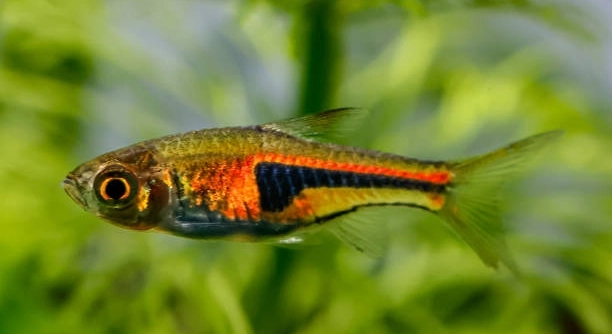
Rasboras are small, lively fish often kept in home aquariums. Like many animals, they can show signs of nervousness through their behavior. Understanding these signs can help aquarium owners provide better care and reduce stress for their fish. When rasboras feel nervous, they may exhibit behaviors such as darting quickly around the tank, hiding among … Read more

7 Simple Tricks to Keep Rasbora Curious

Rasboras are small, peaceful fish that bring life to any aquarium. Keeping them engaged can improve their health and happiness. Many fish owners want simple ways to encourage natural curiosity in these lively swimmers. To keep rasboras curious, provide a stimulating environment with plants, hiding spots, varied textures, and gentle water movement. Regularly changing decorations … Read more

7 Strange Rasbora Habits After Feeding

Do your rasboras behave in unusual ways right after feeding, leaving you puzzled by their quirky little routines in the tank? Rasboras often display unusual behaviors after feeding, ranging from sudden bursts of energy to unique swimming patterns. These habits are linked to their natural instincts, digestion processes, and social interactions, making them fascinating subjects … Read more

7 Situations Where Rasbora Need a School

Do your rasboras seem restless or out of place in your aquarium, even when all other conditions appear just right? Rasboras need a school in situations where they feel unsafe, are introduced to new environments, face stress, show signs of aggression, are part of a species-dependent group, are breeding, or are recovering from illness. These … Read more

Why Rasbora Stay in One Corner

Do your Rasboras tend to stay huddled in one corner, making you wonder if something might be off in their tank? Rasboras often stay in one corner due to stress, improper water conditions, low temperatures, or a lack of hiding spaces. These environmental factors can impact their behavior and overall health, leading to corner-huddling habits. … Read more

7 Reasons Rasbora Avoid Each Other

Are your rasboras acting strangely, keeping their distance from each other instead of swimming together like they usually do? Rasboras may avoid each other due to stress, illness, improper tank conditions, or social hierarchy disruptions. These factors affect their behavior, often causing them to isolate or become less interactive within the group. Small shifts in … Read more

Can Rasbora Hear You? (Explained Simply)

Many people enjoy keeping rasboras as peaceful aquarium fish and often wonder about their senses. Understanding whether these small fish can hear is important for creating a comfortable environment. This article will explain how rasboras perceive sound in simple terms. Rasboras do have the ability to detect sound through their inner ears and lateral line … Read more

Why Rasbora Might Circle an Object

Rasboras are small, active fish often seen swimming in groups in home aquariums. Their behavior can be fascinating, especially when they start circling around objects in their tank. This curious action often catches the attention of many fish keepers. Rasboras circle objects as a natural behavior related to exploration, territorial awareness, or social interaction within … Read more

Why Rasbora Follow Each Other Closely

Rasboras are small, peaceful fish often seen swimming close together in groups. This behavior is common among many species of rasbora and is part of how they interact within their environment. Their close movement is both natural and purposeful. Rasboras follow each other closely as a survival strategy to reduce the risk of predation. Swimming … Read more