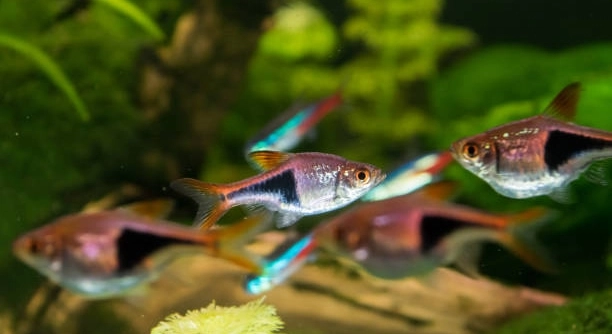
Why Rasbora Might Refuse to Join a Group
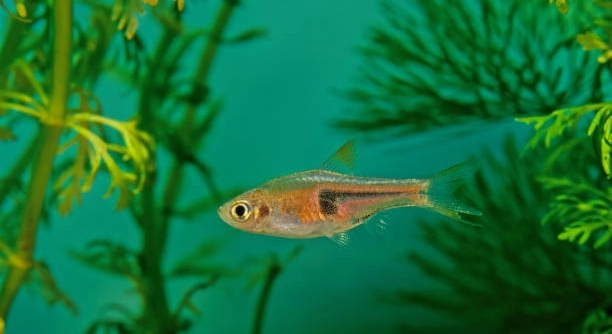
Rasboras are small, peaceful fish often kept in groups. Sometimes, however, a rasbora might avoid joining its group or school. This behavior can be confusing for fishkeepers hoping to see their fish swim together happily. Rasboras may refuse to join a group due to stress, illness, or an unsuitable environment. Factors like poor water quality, … Read more

7 Times Rasbora Stop Acting Normally

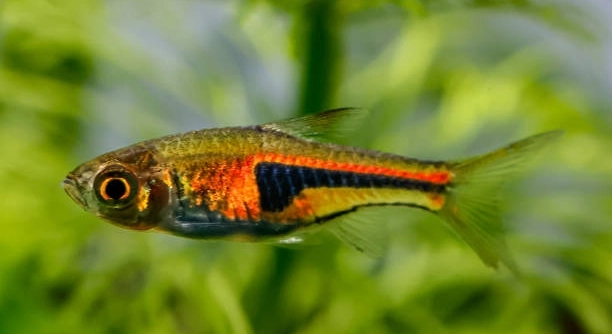
Many aquarium enthusiasts enjoy keeping rasboras because of their peaceful nature and attractive appearance. However, sometimes these small fish behave in unexpected ways that can worry their owners. Understanding these behaviors can help maintain a healthy tank environment. Rasboras may stop acting normally due to various factors such as water quality issues, stress from tank … Read more

Why Rasbora Flick Their Tails Quickly

Rasboras are small, active fish often found in home aquariums. They are known for their quick, flicking tail movements that catch the eye. Many people notice this behavior but don’t always understand why it happens. Rasboras flick their tails quickly primarily as a response to environmental stimuli. This rapid tail movement helps them navigate their … Read more

Why Rasbora May Prefer the Darker Side

Rasboras are small, colorful fish often kept in home aquariums. Many owners notice these fish prefer shaded or dim areas rather than bright, open spaces. Understanding their behavior helps create a better environment for them. Rasboras prefer darker environments because it closely mimics their natural habitats, where shade offers protection from predators and reduces stress. … Read more

7 Times Rasbora Might Seek Hiding Spots

Rasboras are small, peaceful fish often found in home aquariums. They have natural instincts that lead them to seek safe places to hide at certain times. Knowing when they do this helps keep them comfortable. Rasboras seek hiding spots mainly due to stress, changes in environment, presence of predators, illness, breeding behavior, sudden loud noises, … Read more

7 Daily Habits of Healthy Rasbora

Healthy Rasbora are popular freshwater fish known for their vibrant colors and peaceful nature. Many fishkeepers want to ensure these small fish thrive every day in their aquariums. Consistent care plays a vital role in their well-being and longevity. The daily habits of healthy Rasbora include maintaining clean water conditions, providing a balanced diet, ensuring … Read more

What Rasbora Might Be Signaling With Color

Rasboras are small, colorful fish often found in home aquariums. Their changing colors catch attention and may communicate different feelings or conditions. Understanding these signals can help keep your fish healthy and happy. Rasbora color changes often indicate stress, breeding readiness, or health status. Bright, vibrant hues typically signal good health and mating behavior, while … Read more

Do Rasbora Ever Swim Without Purpose?

Do you ever find yourself watching your rasboras and wondering if their constant swimming has any real meaning behind it? Rasboras often swim continuously, but their movements serve practical functions such as exploring, schooling for safety, and reacting to environmental stimuli. While it may seem aimless, their swimming behavior usually reflects natural instincts and situational … Read more

7 Signs Rasbora Are Getting Too Old

Rasboras are popular freshwater fish known for their vibrant colors and peaceful nature. Many aquarists enjoy keeping them in home tanks because they add life and movement to the aquarium environment. Over time, however, their health and behavior may change noticeably. Rasboras exhibit several clear signs of aging, including reduced activity, faded coloration, slower swimming, … Read more

7 Moments When Rasbora Break Off From the Group

Do your rasboras sometimes scatter unexpectedly, breaking away from the group and leaving you wondering what caused the sudden shift in behavior? Rasboras break off from their group due to factors like stress, poor water conditions, illness, territorial behavior, or changes in their environment. These moments reflect natural responses that help them cope or adapt … Read more