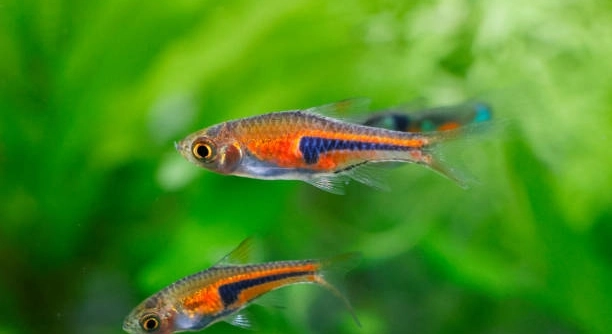
Why Rasbora Hide Even With No Predators
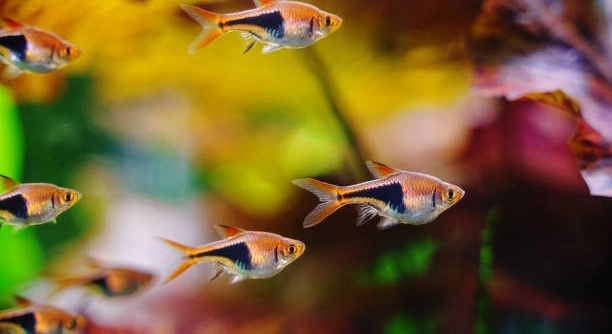
Rasboras are small, colorful fish often seen darting through plants in aquariums. Even when there are no predators nearby, these fish still spend time hiding. Their behavior can seem puzzling to many aquarium enthusiasts. Rasboras hide without predators mainly due to instinctual behavior and environmental comfort. Hiding offers them a sense of security and reduces … Read more
7 Patterns That Show Rasbora Are Settling In

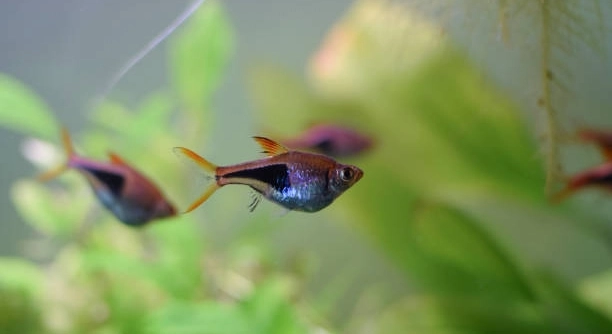
Rasboras are small, colorful fish often kept in home aquariums. Watching them settle into a new tank can be rewarding. Knowing the signs that show they are comfortable helps ensure their well-being and healthy adjustment. Seven common patterns indicate that rasboras are settling in. These include consistent swimming behavior, regular feeding response, schooling activity, relaxed … Read more

Can Rasbora React to Music?

Have you ever watched your Rasbora swim and wondered if the sounds around them make any difference to their behavior or mood? Rasboras can respond to music through changes in swimming patterns and schooling behavior. While they lack external ears, they detect sound vibrations in water using their lateral line system, allowing them to perceive … Read more

Do Rasbora Like to Explore New Tank Layers?

Have you ever watched your rasboras swim gracefully and wondered if they enjoy exploring different areas of their tank environment each day? These small, lively fish often display behaviors that hint at curiosity and movement across layers. Rasboras are naturally inclined to explore various tank layers due to their social and active nature. While they … Read more

7 Things That Make Rasbora Look Restless

Rasboras are small, lively fish often kept in home aquariums. Their quick movements can sometimes make them seem restless or uneasy. Understanding the reasons behind this behavior helps keep them comfortable and healthy. Several factors contribute to a rasbora’s restless appearance, including poor water quality, inadequate tank size, insufficient hiding spots, improper diet, sudden changes … Read more

Why Is My Rasbora Gasping at the Surface?

Is your rasbora often gasping at the water’s surface, leaving you concerned about its health? This behavior is common among aquarium fish and can signal various underlying conditions affecting their wellbeing. Understanding the reasons can help improve their environment. Rasboras gasp at the surface primarily due to low oxygen levels in the water. Poor water … Read more

What Causes Rasbora to Change Color?

Many aquarium lovers enjoy keeping rasboras for their lively colors and peaceful nature. Sometimes, these little fish change their color, which can be surprising. Understanding why this happens helps keep them healthy and happy in the tank. Rasboras change color mainly due to environmental factors such as water quality, lighting, temperature, stress, and diet. These … Read more

7 Gentle Ways to Calm Down a Rasbora Tank

Do your rasboras sometimes seem restless, darting quickly around their tank or hiding more than usual, leaving you unsure how to help? The best ways to calm down a rasbora tank include adjusting water parameters, reducing excessive lighting, introducing gentle filtration, adding live plants, and creating safe hiding spots. These environmental changes reduce stress and … Read more

7 Tank Accessories Rasbora Might Avoid

Many aquarium enthusiasts enjoy creating vibrant tanks for their rasboras. Selecting the right accessories can enhance the environment and the fish’s well-being. However, some tank additions may cause stress or avoidance behaviors in these small, sensitive fish. Rasboras tend to avoid tank accessories that disrupt their natural swimming patterns or create excessive hiding spots. Items … Read more

7 Signs Rasbora Are Comfortable in a Group

Rasboras are small, active fish that thrive in groups. Watching their behavior can tell you if they feel safe and happy together. Recognizing these signs helps keep your aquarium balanced and your fish healthy. Rasboras display comfort in groups through synchronized swimming, relaxed body language, and consistent social interactions. These behaviors indicate strong group cohesion … Read more