7 Signs Your Rainbow Shark Is Not Enjoying Its Tank

Rainbow sharks are popular aquarium fish known for their striking colors and active behavior. Keeping them happy requires careful attention to their environment and well-being. Sometimes, subtle signs indicate they may not be comfortable in their tank. Signs that a rainbow shark is not enjoying its tank often include lethargy, loss of appetite, erratic swimming, … Read more
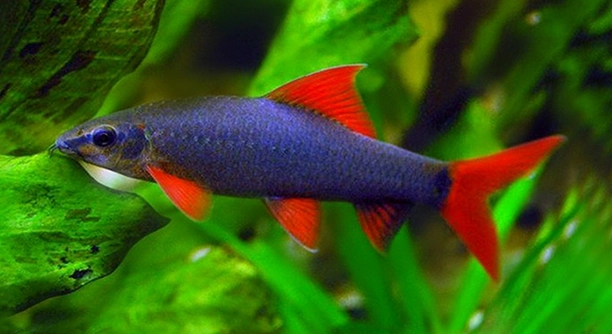
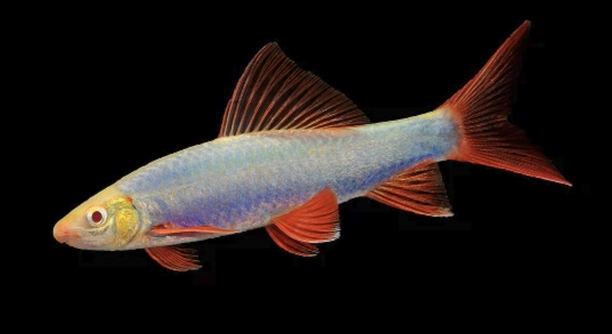
7 Signs Your Rainbow Shark Is Feeling Comfortable

Is your rainbow shark acting calm, exploring confidently, or spending more time out in the open than hiding in corners or behind decorations? A rainbow shark that feels comfortable will show signs such as regular swimming, peaceful behavior, healthy appetite, vibrant coloring, and limited aggression. These signs reflect a stable environment and indicate that your … Read more

7 Reasons Your Rainbow Shark Might Be Aggressive

Rainbow sharks are popular aquarium fish known for their bright colors and active nature. However, their behavior can sometimes turn aggressive, which may surprise many fishkeepers. Understanding why your rainbow shark acts this way can help maintain a peaceful tank environment. Aggression in rainbow sharks often results from territorial instincts, overcrowding, improper tank setup, or … Read more

7 Causes of Rainbow Shark Behavioral Issues and How to Fix Them

Rainbow sharks are popular aquarium fish known for their striking colors and peaceful nature. However, they sometimes show unusual behaviors that can worry their owners. Understanding what causes these issues is important for keeping them healthy and happy. Rainbow shark behavioral problems often arise from factors such as inadequate tank size, poor water quality, lack … Read more

7 Things You Should Know About Rainbow Shark Feeding Habits

Rainbow sharks are popular fish in home aquariums because of their striking colors and active nature. Many aquarium owners enjoy watching their behaviors, especially during feeding time. Knowing how they eat can help keep them healthy and happy. Rainbow sharks are omnivores with a diet consisting mainly of algae, small insects, and commercial fish food. … Read more

How to Tell If Your Rainbow Shark Is Male or Female

Rainbow sharks are popular freshwater fish known for their vibrant colors and active behavior. Many aquarium owners enjoy keeping them but often find it tricky to tell males and females apart. Identifying the gender of your rainbow shark can help with better care and breeding. Sexing rainbow sharks is mainly done by observing body shape … Read more

7 Reasons Your Rainbow Shark Is Hiding More Than Usual

Is your rainbow shark spending more time hiding than swimming around its tank like it used to? You’re not alone. Many fishkeepers notice sudden behavior changes that can be confusing or concerning, especially with semi-aggressive fish like rainbow sharks. The most common reason your rainbow shark is hiding more than usual is environmental stress. Changes … Read more

7 Ways to Help Your Rainbow Shark Thrive

Keeping a rainbow shark healthy and happy requires careful attention to its environment and care routine. Many fish owners find it challenging to provide the right conditions for these vibrant freshwater fish. Proper care ensures their colors stay bright and their behavior remains active. Rainbow sharks thrive best in clean, well-maintained tanks with adequate space, … Read more

7 Ways to Increase the Lifespan of Your Rainbow Shark

Rainbow sharks are popular aquarium fish known for their bright colors and active nature. Many fish owners want to keep them healthy and living longer in their tanks. Proper care plays a key role in extending their lifespan. Maintaining ideal water quality, providing a balanced diet, and ensuring a suitable tank environment are essential to … Read more

7 Tips for Keeping Rainbow Shark Tankmates Safe

Are your rainbow sharks showing signs of stress or aggression toward their tankmates, leaving you unsure of how to handle the situation? The best way to keep rainbow shark tankmates safe is by providing ample space, choosing compatible species, and maintaining ideal water conditions. These steps reduce territorial behavior and promote a more peaceful aquarium … Read more