Why Rainbow Fish Suddenly Avoid the Top
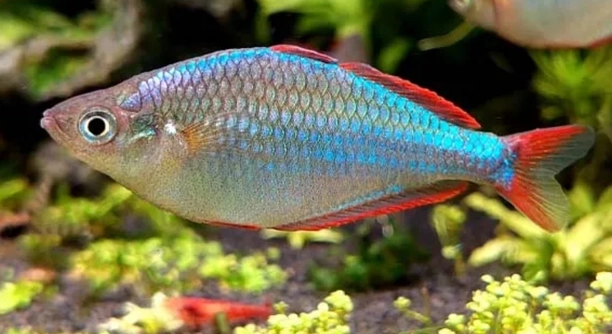
Rainbow fish are known for their striking appearance and active behavior, but you may notice they suddenly avoid the top of the tank. This change can be puzzling for aquarium owners, but there are reasons behind it. Fish often avoid the surface due to environmental stressors such as water quality, temperature fluctuations, or the presence … Read more
Can Rainbow Fish Remember Their Territory?

Rainbow fish are known for their vibrant colors and active swimming patterns. As territorial creatures, they often establish areas they defend. Understanding how these fish recall their territories can provide insight into their behavior and survival strategies. Research indicates that rainbow fish are capable of remembering their territory for extended periods. They use visual and … Read more

7 Behaviors You Might See After a Tank Move

Moving an aquarium can have a big impact on the fish and their behavior. After the tank is relocated, it’s common to observe changes as they adjust to their new environment. These behaviors are typically temporary. Fish may exhibit signs of stress, such as hiding, reduced activity, or altered eating habits after a tank move. … Read more

7 Sounds That Can Frighten Rainbow Fish

Rainbow fish are known for their vibrant colors and peaceful nature, but they are also sensitive to their environment. Certain sounds in their surroundings can make them feel threatened or scared. This article explores the sounds that can cause distress to these beautiful creatures. Several sounds can frighten rainbow fish, such as loud noises, vibrations, … Read more

Can Rainbow Fish Predict Water Changes?

Rainbow fish are popular among aquarium enthusiasts, but can they sense changes in water conditions? Understanding how these fish react could offer insight into maintaining a healthy aquatic environment for them and other tank inhabitants. Rainbow fish may respond to changes in water parameters, such as temperature and pH. However, their ability to predict these … Read more

7 Feeding Mistakes That Bother Rainbow Fish

Rainbow fish are vibrant and lively, making them a popular choice for aquariums. However, their health can be affected by simple feeding mistakes. These small errors can impact their overall well-being and behavior. Feeding rainbow fish too much or too little can lead to various health problems. Overfeeding causes water quality issues, while underfeeding results … Read more

Why Rainbow Fish Hover Beneath the Surface

Rainbow fish are known for their vibrant colors and captivating behavior. One intriguing aspect is their tendency to hover beneath the water’s surface. This behavior can seem mysterious, yet there is a simple explanation behind it. Rainbow fish hover beneath the surface due to a combination of factors, including oxygen availability and habitat preferences. These … Read more

Can Rainbow Fish Coexist with Angelfish?

Rainbow fish and angelfish are popular choices in many aquariums. Their bright colors and peaceful nature often make them desirable for community tanks. However, their compatibility depends on several factors, which must be considered before adding them together. Rainbow fish and angelfish can coexist in the same tank under the right conditions. Ensuring the tank … Read more

7 Ways to Lower Nitrate Levels for Rainbow Fish

Excessive nitrate levels can harm your rainbow fish, leading to stress and health issues. Understanding how to manage these levels is essential for a healthy aquarium environment. Several strategies can effectively lower nitrates and improve water quality. To lower nitrate levels for rainbow fish, regularly perform water changes, avoid overfeeding, and maintain efficient filtration. Introduce … Read more

Do Rainbow Fish React Differently at Night?

Rainbow fish are known for their vibrant colors and active nature. However, there may be changes in their behavior during different times of day, especially at night. Understanding these reactions can improve how they are cared for. Rainbow fish exhibit noticeable changes in behavior at night, primarily due to their instinctual responses to lower light … Read more