7 Things to Observe After a Tank Cleaning
Cleaning your tank is a necessary part of maintaining a healthy environment for your aquatic life. However, it’s important to observe certain things after a cleaning to ensure everything is functioning properly. Let’s go through the key factors to monitor. After a tank cleaning, it’s essential to check water quality, ensure proper filtration, observe the … Read more
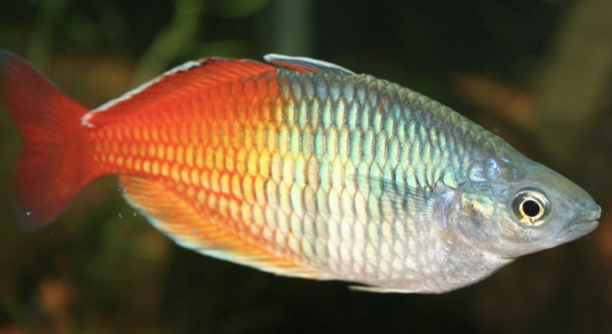
Do Rainbow Fish Recognize Tankmates?

Have you ever noticed your rainbow fish swimming close to the same tankmates or reacting differently to certain ones over time? Rainbow fish are capable of recognizing familiar tankmates through visual cues and repeated social interactions. This behavior supports the formation of loose social hierarchies and reduces aggression, contributing to a more stable and cooperative … Read more

Should You Use Floating Plants for Rainbow Fish?

Do you ever find yourself setting up a tank for rainbow fish and wondering if floating plants should be part of the layout? Using floating plants for rainbow fish is generally beneficial. These plants provide cover, reduce light intensity, and support a more natural environment. They can also improve water quality by absorbing excess nutrients … Read more

Why Rainbow Fish Might Sleep During the Day

Rainbow fish are known for their vibrant colors and active behavior, but you might notice them resting during the day. This article will explore why your rainbow fish might sleep during daylight hours instead of swimming around. Rainbow fish may sleep during the day due to their natural behaviors and environmental factors. Some species are … Read more

Why Rainbow Fish Keep Darting and Hiding

Rainbow fish are colorful and energetic, but sometimes their behavior can seem puzzling. If you’ve noticed them darting around or hiding, it can leave you wondering why they act this way. Understanding their actions can help. Rainbow fish often dart and hide as a response to stress, fear, or environmental changes. They may feel threatened … Read more

7 Movements That Signal Rainbow Fish Conflict

Rainbow fish are known for their colorful and graceful movements. However, these movements can sometimes signal conflict. Understanding these behaviors can help you better interpret interactions between these beautiful creatures in your aquarium. The seven key movements that signal conflict among rainbow fish include tail flicking, body shaking, quick darting, chasing, fin spreading, mouth gaping, … Read more

Why Rainbow Fish Might Swim in a Zig-Zag Pattern

Rainbow fish are a vibrant and captivating addition to any aquarium. Their playful movements often catch the eye, especially when they swim in unique patterns. One of the most interesting behaviors they exhibit is their zig-zag swimming style. The zig-zag swimming pattern of rainbow fish is likely a result of environmental factors, predatory avoidance, and … Read more

Why Rainbow Fish Swim Beneath Decorations

Rainbow fish are a popular choice for aquarium enthusiasts, but their behavior can sometimes seem puzzling. One of the most interesting habits is their tendency to swim beneath decorations. Rainbow fish swim beneath decorations for a sense of security. They seek shelter from potential threats, using plants, rocks, or other tank decorations as hiding spots. … Read more

Can Rainbow Fish Act Jealous Toward New Fish?

Rainbow fish are often admired for their colorful beauty and lively nature. However, many aquarium owners wonder how they might respond to new fish entering their tank. Could their behavior change with the addition of new companions? Rainbow fish may exhibit territorial behaviors, especially when new fish are introduced to their environment. They might show … Read more

Can Rainbow Fish Act Dominant in Large Groups?

Rainbow fish are vibrant and popular in aquariums. They often live in schools, and their behavior in large groups can vary. Understanding their social dynamics is key to managing them in a larger community setting. Rainbow fish can exhibit dominant behaviors in large groups, especially when there is competition for resources. Males tend to display … Read more