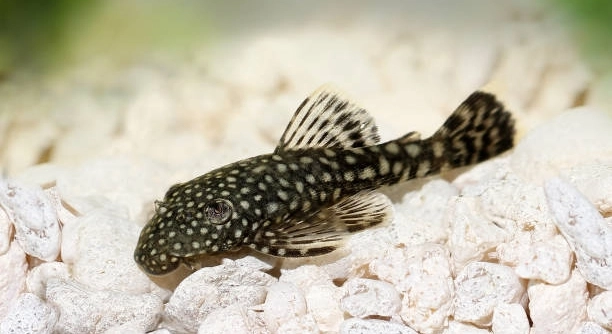
Do Plecos Like Deep Substrate Layers?

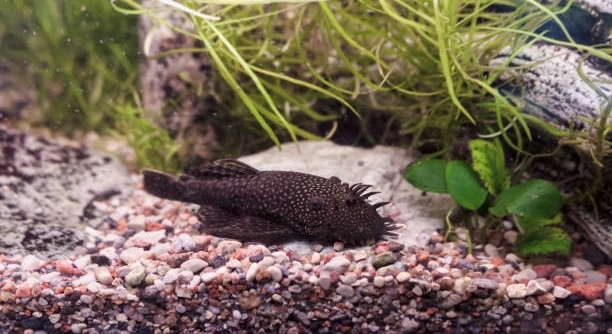
Have you ever set up your aquarium and wondered whether your pleco needs more than just a thin layer of gravel or sand? Plecos generally prefer shallow to moderate substrate layers, as overly deep layers can lead to poor water quality and limit access to food. A thin, clean substrate helps them graze efficiently and … Read more
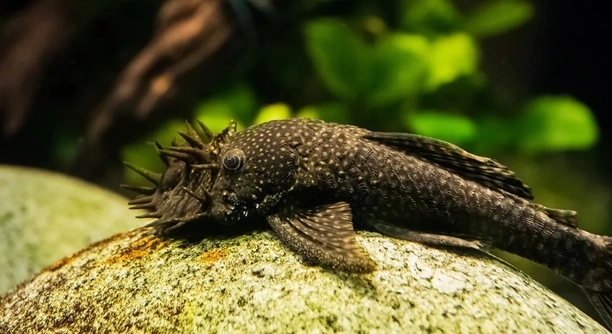
Do Plecos Like a Busy or Calm Environment?

Plecos are popular fish known for their peaceful nature and their role in keeping aquariums clean. Understanding their preferences is important for ensuring their well-being in a home tank. Plecos generally prefer a calm environment with low light and quiet surroundings. High levels of activity and noise can stress them out, affecting their health and … Read more

7 Reasons to Rethink Your Pleco Tankmates

Many aquarium enthusiasts love the peaceful presence of plecos in their tanks. However, when it comes to tankmates, there are important considerations that might affect the well-being of both the pleco and its companions. Choosing compatible tankmates for your pleco is crucial for maintaining harmony in the aquarium. Certain fish species may exhibit aggressive behaviors, … Read more

7 Tips for Cleaning Up Pleco Waste

Plecos are popular aquarium fish known for their algae-eating habits. While they help keep tanks cleaner, they also produce waste that needs attention. Properly managing pleco waste is essential for maintaining a healthy and balanced aquatic environment. To clean up pleco waste effectively, start by regularly vacuuming the substrate, using a fine mesh net to … Read more

What to Do If Your Plecostomus Stops Moving

If your plecostomus stops moving, it can be concerning. These fish are usually active, so a lack of movement may indicate an underlying issue. Identifying the cause is essential for providing the appropriate care. The most common reason for a plecostomus to stop moving is stress or poor water conditions. Factors such as low oxygen … Read more

7 Ideal pH Levels for Healthy Plecostomus

Maintaining a healthy environment for your plecostomus is key to their wellbeing. One important factor to consider is the pH level of the water in your aquarium. Understanding how pH impacts their health is essential for ensuring they thrive. The ideal pH level for a plecostomus generally falls between 6.5 and 7.5. It is crucial … Read more

7 Quick Fixes for Cloudy Pleco Water

Cloudy water in a pleco tank can be frustrating, especially when you’re trying to maintain a healthy and visually appealing environment. It’s not unusual for aquariums to face issues like this, but it’s important to address them quickly. The primary cause of cloudy water in pleco tanks is usually poor filtration, excess debris, or bacterial … Read more

7 Facts About Pleco Growth Spurts

Do you have a young pleco in your tank and wonder if it’s growing too fast—or not fast enough compared to others? Pleco growth spurts are influenced by several key factors, including diet, tank size, water quality, and species. While some plecos grow rapidly in their first year, others follow slower, steadier growth patterns depending … Read more

7 Behaviors That Mean Your Pleco Is Happy

Is your pleco acting relaxed, active, and content, but you’re not quite sure if that means it’s truly happy? A happy pleco often shows consistent activity during its normal hours, maintains a healthy appetite, displays vibrant colors, and interacts with its environment. These behaviors reflect both physical health and mental well-being in a stable aquarium … Read more

7 Ways to Know Your Pleco Is Ready to Breed

Plecostomus, commonly known as plecos, are popular aquarium fish, especially admired for their ability to keep tanks clean. If you have a pleco and are hoping to breed it, it’s important to understand the signs of readiness. Knowing these signs can ensure your fish’s health and successful breeding. The best way to know your pleco … Read more