Do Plecostomus Fish Communicate With Each Other?
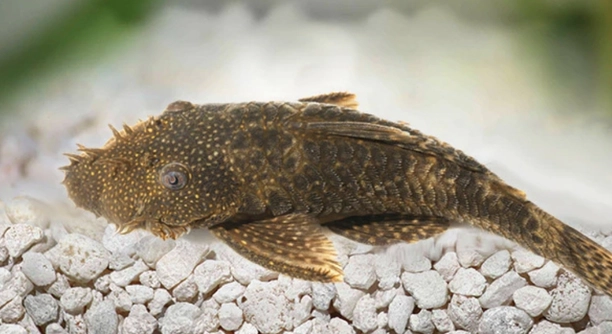
Have you ever watched your plecostomus glide around the tank and wondered if it’s silently interacting with its companions nearby? Plecostomus fish do communicate with each other, primarily through body language, chemical signals, and environmental cues. These methods help them establish territory, signal stress, and interact socially within their aquatic surroundings. Understanding these subtle forms … Read more
Can I Use Air Stones in a Pleco Tank?

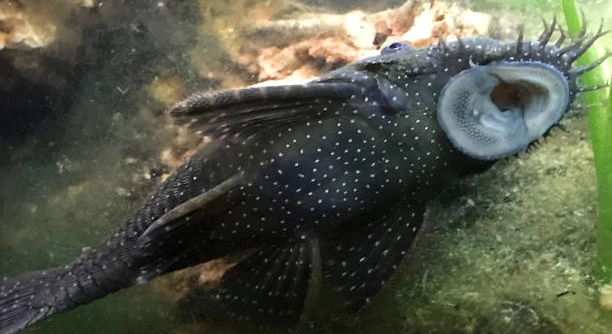
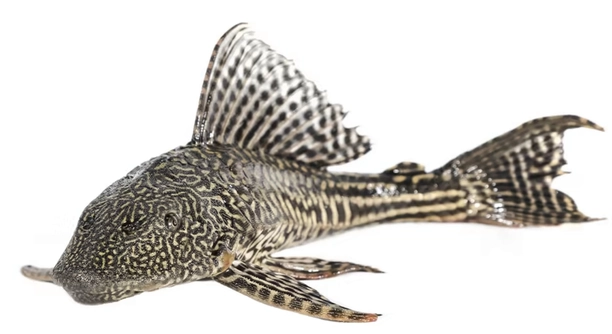
When setting up a tank for your pleco, ensuring a healthy and comfortable environment is essential. This often includes considering the proper equipment and tank companions, such as air stones, which can impact your pleco’s well-being. Air stones can be used in a pleco tank, as they provide oxygenation and improve water circulation. However, they … Read more

7 Best Foods for a Healthy Plecostomus

Is your plecostomus not looking as vibrant or active as usual? Nutrition might be playing a bigger role than you think. A balanced, species-appropriate diet can greatly improve their energy levels, color, and overall health. The best foods for a healthy plecostomus include algae wafers, blanched vegetables, driftwood, and protein-rich treats like shrimp pellets. These … Read more

Should You Quarantine a New Plecostomus?

Quarantining a new Plecostomus is a common practice for fish enthusiasts. This precaution helps ensure that your new fish won’t introduce any harmful diseases to your existing aquarium. Let’s explore why this step is important for a healthy tank. Quarantining a new Plecostomus is highly recommended to prevent potential disease transmission to other aquarium inhabitants. … Read more

7 Signs Your Tank Needs a Bigger Pleco

A Plecostomus, or Pleco, is a popular freshwater aquarium fish. As these fish grow, they may require more space to thrive. Recognizing the signs that your tank may be too small is important for their well-being. As Plecos grow, their tank requirements change. When a tank becomes overcrowded, the fish may show signs of stress, … Read more

7 Signs Your Pleco Has Parasites (+What to Do)

If you own a pleco, you may have noticed changes in its behavior or appearance. Parasites can affect these fish, often leading to worrying symptoms. It’s important to be able to spot the signs early and act fast. Parasites in plecos can lead to various symptoms, including changes in behavior, abnormal swimming, and visible marks … Read more

Can Plecostomus Detect Vibrations Easily?

Plecostomus are popular aquarium fish, known for their algae-eating habits. Understanding their sensory abilities, including how they perceive vibrations, can help improve their care. It’s important to explore how they detect vibrations in their environment. The Plecostomus detects vibrations using its lateral line system. This sensory organ allows the fish to sense changes in water … Read more

Why Is My Pleco Losing Its Color?

Is your pleco looking pale or less vibrant than usual, leaving you unsure about what’s causing the change in its appearance? Plecos can lose color due to stress, poor water quality, inadequate diet, illness, or changes in their environment. Identifying the specific cause involves assessing tank conditions, diet, and overall behavior to ensure proper care … Read more

Do Plecostomus Recognize Their Owners?

Plecostomus, often known as “plecos,” are popular aquarium fish that are known for their algae-eating habits. They are frequently seen swimming across the tank, using their strong suction cups to stay attached to surfaces. While plecostomus do not form direct emotional bonds with their owners, they can become accustomed to their presence. Over time, they … Read more

Do Plecos Ever Sleep on Their Backs?

Plecos are fascinating fish, often admired for their unique behaviors and peaceful nature. One intriguing aspect many aquarium enthusiasts wonder about is whether plecos sleep on their backs, a behavior seen in other fish species. Plecos typically do not sleep on their backs. They rest on surfaces such as rocks, glass, or aquarium decor, often … Read more