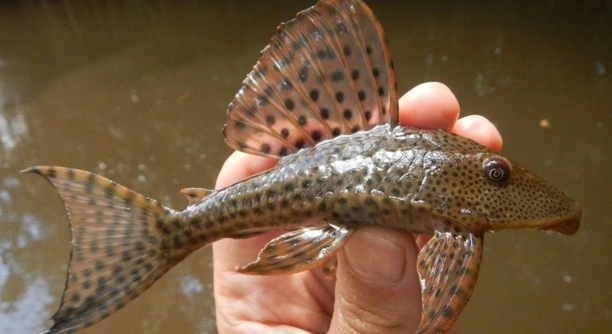
Can Plecos Share a Tank With Corydoras?
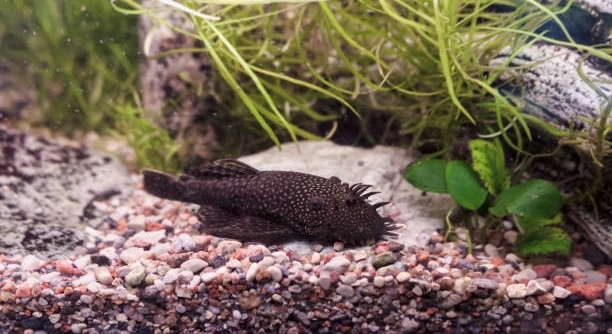
Plecos and Corydoras are two popular fish species commonly kept in home aquariums. Both are known for their peaceful nature and unique characteristics. Understanding whether they can share a tank is important for their health and well-being. In general, plecos and Corydoras can coexist peacefully in the same tank. Both species are bottom dwellers, which … Read more
7 Tips to Keep Driftwood Clean for Plecos

Are you looking for ways to keep driftwood clean for your plecos? Many aquarium enthusiasts face this challenge, especially when it comes to maintaining healthy conditions for their fish. Driftwood is a popular addition, but it can harbor dirt and debris. The best way to keep driftwood clean for plecos is to regularly scrub it … Read more

What Happens If You Overcrowd a Pleco Tank?

Overcrowding a pleco tank can lead to stress and health issues for your fish. Understanding how many plecos can comfortably live together is important for their well-being and your aquarium’s success. Overcrowding a pleco tank can result in poor water quality, stress, and increased risk of disease. Plecos are territorial and need sufficient space to … Read more

7 Signs Your Pleco Tank Setup Needs a Change

A Plecostomus, or pleco, is a popular freshwater aquarium fish known for its algae-eating habits. A healthy pleco tank setup is essential for their well-being and can make a big difference in their comfort and lifespan. If your pleco tank setup isn’t right, it can lead to various problems such as poor water quality, inadequate … Read more

Should I Feed My Pleco Every Single Day?

Feeding a pleco seems straightforward, but there are a few things to consider when deciding how often to feed it. Understanding the right feeding routine is key for keeping your fish healthy and happy in the long run. It is not necessary to feed your pleco every single day. Plecos are often content with consuming … Read more

7 Ways to Tell If Your Pleco Is Stressed Out

Is your pleco acting differently lately, hiding more, or refusing to eat the food it normally enjoys without hesitation? Stress in plecos can manifest through changes in behavior, coloration, and eating habits. Common stressors include poor water conditions, inadequate hiding spots, overcrowding, or sudden changes in their environment or tank mates. Recognizing the signs early … Read more

Can a Pleco Damage Aquarium Decorations?

Do you ever find yourself rearranging your tank only to notice your decorations looking worn or damaged not long after? Plecos can damage aquarium decorations through their natural behavior, including constant grazing, suction, and burrowing. These actions may scratch painted surfaces, move lightweight items, or cause wear to delicate structures in the tank. Learning more … Read more

7 Situations Where Plecos Need to Be Separated

Plecos are fascinating fish, known for their unique behaviors and helpful role in aquarium cleaning. However, there are times when these peaceful creatures need to be separated to ensure their well-being and health. Plecos should be separated in situations involving territorial aggression, overpopulation, incompatible species, breeding conditions, or stress from overcrowding. Properly managing their space … Read more

Why Is My Pleco Constantly Swimming Upwards?

Plecos are fascinating fish, known for their unique behavior and important role in the aquarium ecosystem. If you’ve noticed your pleco swimming upwards constantly, you may be wondering what’s going on. The primary reason for upward swimming behavior in plecos is a potential issue with water conditions, such as poor oxygen levels or water quality. … Read more

7 Reasons to Keep Plecos in Planted Tanks

Plecos are popular aquarium fish, often chosen for their algae-eating abilities. Planted tanks provide an ideal environment for them to thrive. The combination of natural plant life and clean water benefits both the fish and the plants. Keeping plecos in planted tanks provides numerous advantages. These fish contribute to tank cleanliness by grazing on algae, … Read more