7 Clues That Your Platy Needs a Bigger Tank
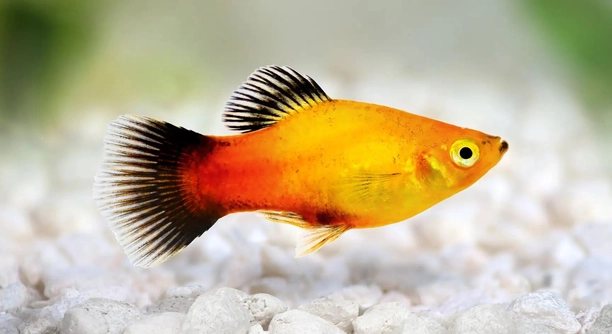
Many people enjoy keeping platies as colorful and easygoing pets. These small fish need the right space to stay healthy and active. Knowing when their tank is too small helps prevent stress and health problems. A platy needs a bigger tank when signs like overcrowding, poor water quality, sluggish swimming, or frequent illness appear. These … Read more
Can Platies Recognize Tank Patterns?

Have you ever noticed your platies reacting differently to certain tank decorations or background designs and wondered if they recognize patterns in their environment? Platies have limited pattern recognition abilities, primarily responding to changes in color, movement, and lighting rather than specific visual patterns. While they may notice contrasts or repetitive motion, their behavior is … Read more

7 Things That Encourage Group Behavior in Platies

Have you ever watched your platies swim together and wondered what encourages their playful group behavior in the tank? Group behavior in platies is influenced by several factors, including tank size, water quality, social needs, feeding habits, lighting, environmental enrichment, and their natural schooling instincts. These elements help promote social interaction and reduce stress. From … Read more

Why Do My Platies Only Hang Around the Plants?

Do your platies often seem to stick close to the plants, rarely venturing into the open areas of your aquarium? The most common reason your platies hang around plants is for security. Plants provide shelter, reduce stress, and help your fish feel safe by mimicking their natural habitat. Understanding this behavior can help you improve … Read more

Why Is My Platy Stuck at the Surface?

Is your platy fish spending too much time at the water’s surface? This behavior can worry many fish owners, especially when it seems unusual or persistent. Understanding why this happens can help you keep your fish healthy and comfortable in their tank. The primary reason a platy stays at the surface is often related to … Read more

Why Do Platies Hover Under the Filter Output?

Platies are popular aquarium fish known for their calm nature and bright colors. Many aquarists notice these fish often hover near the filter output. This behavior can seem puzzling at first but is quite common among platies. Platies hover under the filter output mainly because of the oxygen-rich water flow. The movement created by the … Read more

Why Are My Platies Avoiding the New Plants?

Are your platies swimming around but steering clear of the new plants you’ve just added to their tank setup? Platies often avoid new plants due to unfamiliar scents, changes in environment, or the presence of chemical residues. These factors can create stress or discomfort, leading them to keep their distance until they feel secure again. … Read more

Why Is My Platy Losing Color? (7 Real Causes)

Platies are popular freshwater fish admired for their vibrant colors and peaceful nature. Many owners enjoy watching their bright hues add life to aquariums. Sometimes, however, these colors may fade or dull unexpectedly, causing concern among hobbyists. Platies lose color primarily due to stress, poor water quality, inadequate diet, illness, aging, improper lighting, or genetic … Read more

7 Factors That Influence Platy Breeding

Have you ever set up the perfect tank for your platies but noticed their breeding habits seem unpredictable or inconsistent over time? Platy breeding is influenced by water quality, temperature, lighting, stress levels, genetic traits, tank size, and the presence of other fish. Each factor plays a role in determining how successfully and frequently platies … Read more

How Do Platies React to Other Species’ Fry?

Platies are popular freshwater fish known for their peaceful nature and vibrant colors. Many aquarium enthusiasts wonder how they behave around fry from other species in a shared tank. Understanding their reactions helps maintain a harmonious environment. Platies generally tolerate fry from other species without aggression, but they may show mild curiosity or occasional nibbling. … Read more