Can Platies Get Used to Sudden Movements?
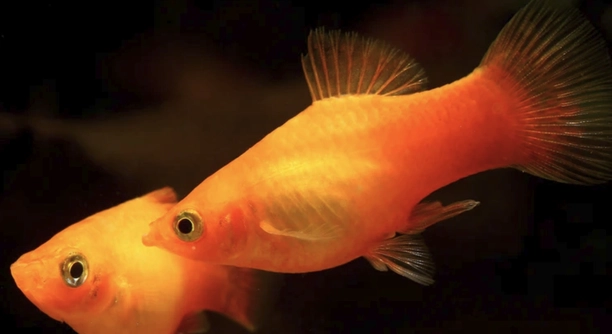
Platies are popular freshwater fish known for their peaceful nature and bright colors. Many keep them in home aquariums where they swim calmly and add life to the tank. Their behavior can sometimes change with sudden movements nearby. Platies can become startled by sudden movements, reacting quickly to perceived threats. However, with consistent exposure and … Read more

Can Platies Sense When Others Are Sick?

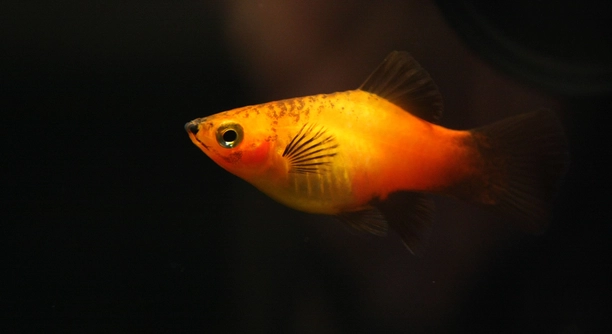
Platies are small, colorful freshwater fish popular in home aquariums. They live in social groups and often interact closely with one another. Understanding their behavior can help fishkeepers maintain a healthy tank environment. Research indicates that platies can detect signs of sickness in other fish through changes in behavior, appearance, and chemical cues in the … Read more

7 Things That Scare Platies Without You Knowing

Platies are small, colorful fish that many people enjoy keeping at home. They seem calm and easy to care for, but there are hidden things that can make them nervous. Knowing these fears can help you create a better environment for your fish. Platies often get scared by sudden changes in lighting, loud noises, aggressive … Read more

7 Signs Your Platy Is Unhappy with Tank Mates

Many fish owners enjoy keeping platys as peaceful and colorful additions to their tanks. However, platys can sometimes show signs of stress or unhappiness when living with certain tank mates. Recognizing these signs early helps maintain a healthy aquarium environment. Platys display unhappiness through changes in behavior, coloration, and interactions with other fish. Common indicators … Read more

7 Steps to Quarantine New Platies Correctly

Are your new platies looking healthy but you’re not sure how to safely introduce them to your main aquarium setup? Quarantining new platies correctly involves isolating them in a separate tank for observation, ensuring they are healthy and free of parasites or disease. This process reduces the risk of spreading illness to your existing fish … Read more

7 Tank Conditions That Help Platies Thrive

Are your platies looking a little sluggish or not as vibrant as usual, even though you’re doing your best to care for them? Platies thrive when their tank conditions closely mimic their natural environment, which includes stable water parameters, proper filtration, and adequate space. Providing the right setup can significantly impact their health and overall … Read more

Why Are My Platies Obsessed with One Area?

Platies are small, colorful fish popular in many home aquariums. They often show interesting behaviors, including sticking to one particular area in their tank. Understanding why they do this can help keep them healthy and happy. Platies tend to focus on one area due to factors such as food availability, water conditions, or territorial behavior. … Read more

7 Odd Behaviors That Might Mean Breeding Is Near

Are your pets showing unusual signs that seem out of the ordinary? Sometimes, animals display behaviors that hint at important changes in their life cycles. Recognizing these signs can help you understand what might be coming next. Certain odd behaviors, such as restlessness, increased vocalization, and changes in appetite, may indicate that breeding is near. … Read more

Can Platies Get Stuck Behind Decor?

Platies are popular aquarium fish known for their bright colors and peaceful nature. Many hobbyists enjoy decorating tanks with plants and ornaments to create a lively environment. However, sometimes concerns arise about fish getting trapped behind these decorations. Platies can occasionally get stuck behind aquarium decor if spaces are too narrow or sharp edges are … Read more

Why Are My Platies Avoiding the Center of the Tank?

Are your platies spending most of their time near the tank edges instead of swimming in the center? This behavior is common among platy fish and can be influenced by several factors in their environment. Understanding these reasons can help improve your fish’s comfort and well-being. Platies often avoid the center of the tank due … Read more