7 Subtle Ways Piranhas Show Comfort

Piranhas are often seen as fierce fish, but they also have subtle ways of showing comfort. These behaviors can be quiet and easy to miss for many observers. Understanding them reveals a gentler side of these aquatic creatures. Piranhas show comfort through actions like swimming calmly in groups, resting close to each other, and reducing … Read more

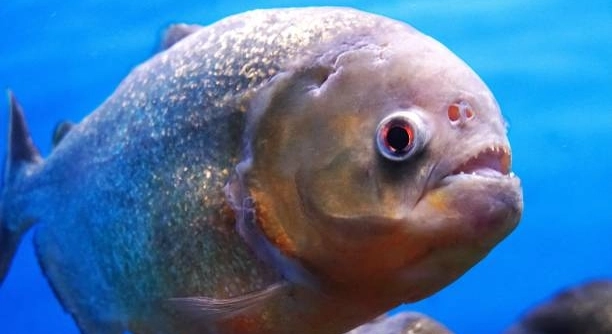
7 Tank Setup Tips for First-Time Piranha Owners

Are you setting up your first piranha tank but feel unsure about how to give your new fish a healthy start? Creating the right environment can feel overwhelming if you’re just getting started with piranhas. Setting up a piranha tank for the first time requires careful planning, including proper tank size, filtration, water conditions, and … Read more

How to Help Your Piranha Recover from Fights

Piranhas are known for their aggressive behavior, which can sometimes lead to fights in captivity. These encounters may cause injuries or stress for your fish. Helping them recover properly is essential for their health and well-being. To support a piranha after a fight, it is important to isolate the injured fish to prevent further harm, … Read more

7 Quick Tank Tests to Run Weekly

Are your aquarium fish acting differently, or does the water look a bit off even after a recent cleaning? Weekly tank tests can help. These quick checks keep your aquatic environment balanced and your fish healthier. Running seven essential tests every week is one of the most effective ways to maintain a stable and healthy … Read more

7 Reactions to Different Types of Prey

Are your pets showing strange behaviors when they encounter different kinds of prey in their environment or during playtime? Different types of prey can trigger varied reactions in animals based on their instincts, past experiences, and biological makeup. These responses can range from hunting behavior and cautious observation to complete avoidance, depending on the species … Read more

7 Methods to Improve Piranha Movement Patterns

Piranhas display unique movement patterns that affect their behavior and environment. Understanding how to improve these patterns can benefit both their well-being and the ecosystem. This article explores effective methods to enhance piranha movement in controlled settings. Improving piranha movement patterns requires consistent environmental adjustments and behavioral interventions. These methods include optimizing tank layout, enhancing … Read more

7 Reasons Piranhas Group Up Without Fighting

Piranhas are often known for their sharp teeth and fierce reputation. However, they sometimes group together peacefully without fighting. This behavior shows a different side of these fish that many people don’t usually see. Piranhas group up without fighting mainly for safety, food, and social reasons. They cooperate to protect themselves from predators, improve hunting … Read more

7 Piranha Activities That Seem Purposeful

Piranhas are often seen as fierce fish, but they also show behaviors that look like they have a clear purpose. These actions help them survive and interact with their environment. Understanding these activities gives insight into their nature. Piranhas engage in activities such as schooling, feeding, and territory defense, which serve specific survival and social … Read more

Can Piranhas Live Without a Heater? (What to Know)

Have you ever set up a fish tank and wondered if your piranhas really need that heater to stay healthy and active? Piranhas cannot thrive long-term without a heater in most home aquariums. As tropical fish, they require stable warm water temperatures to support proper digestion, immune function, and overall well-being. Inconsistent temperatures can lead … Read more

7 Uncommon Responses to Light Exposure

Do you ever find yourself feeling strange after stepping into bright sunlight or sitting near a strong lamp indoors? Some individuals experience uncommon physical or psychological responses to light exposure, including visual distortions, headaches, mood changes, or even skin reactions. These responses vary and may be linked to underlying neurological or physiological sensitivities. Understanding how … Read more