7 Group Behaviors That Indicate Bonding
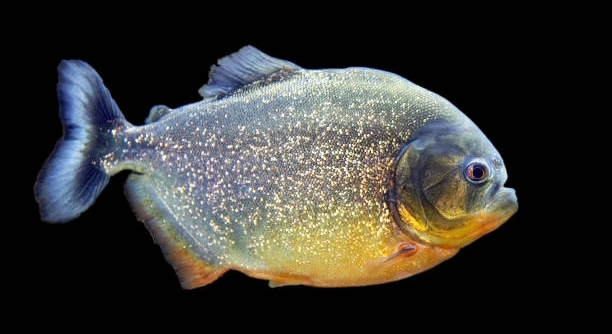
Groups often show subtle signs when people start to connect and form bonds. These behaviors reveal how members feel about each other and the group itself. Recognizing these signs can help understand group dynamics better. Seven specific group behaviors clearly indicate bonding, including shared laughter, synchronized actions, mutual support, open communication, collective problem-solving, consistent presence, … Read more
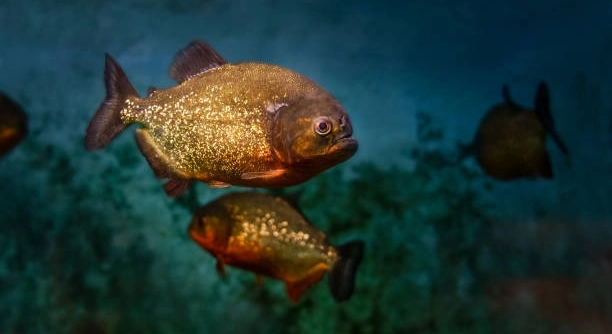
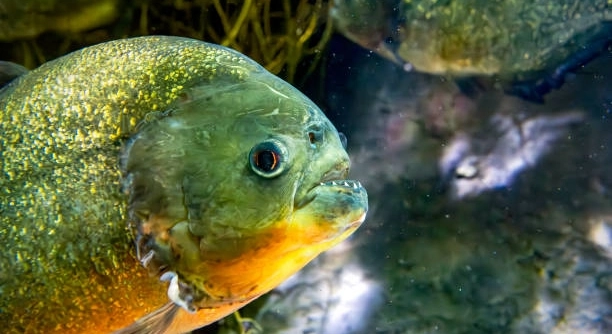
7 Unusual Piranha Preferences in Captivity

Keeping piranhas in captivity reveals behaviors quite different from their wild counterparts. These fish often show unexpected likes and dislikes that can surprise even experienced aquarists. Understanding these preferences helps improve their care and wellbeing. Piranhas in captivity display unusual food choices, unique social behaviors, and specific habitat preferences that differ from natural environments. Their … Read more

7 Moments That Reveal Instinct in Action

Do you ever find yourself amazed by how quickly animals or people react without even thinking? These moments often happen in everyday life and can go unnoticed, but they show something deeper at work. Instinct is an automatic, unlearned behavior triggered by specific stimuli, often crucial for survival. It bypasses conscious thought and allows for … Read more

7 Traits That Make a Piranha Dominant

Have you ever found yourself fascinated by the power dynamics within animal species and wondered what gives certain creatures the upper hand in their environments? The piranha’s dominance is largely due to its strong jaw muscles, sharp teeth, group hunting tactics, acute sensory perception, boldness, fast reflexes, and territorial behavior. These traits help them thrive … Read more

7 Things You Should Never Put Near a Piranha

Caring for piranhas requires special attention to their environment and safety. Knowing what items to avoid near these fish is important for their well-being. This article explains what should never be placed close to a piranha. Certain objects can cause harm or stress to piranhas, affecting their health and behavior. Items like sharp tools, non-aquatic … Read more

7 Signals That Mean “Stay Away” in Piranha Talk

People often enjoy observing nature, but some creatures send clear signals to keep a safe distance. Understanding these signs can help avoid trouble and maintain peaceful interactions with wildlife around us. In piranha behavior, seven key signals indicate a warning to stay away. These include sudden movements, aggressive posturing, and intensified fin displays, which serve … Read more

7 Curious Reactions to Human Movement

Human movement is a natural part of everyday life that we often take for granted. From simple gestures to complex actions, our bodies react in many interesting ways. These responses reveal much about how we connect with the world around us. Human movement triggers a range of curious reactions involving the brain, muscles, and senses. … Read more

7 Piranhas That Changed the Group Dynamic

Groups often change when new members bring fresh energy or unique traits. Some individuals stand out by influencing how others interact and work together. This article highlights seven piranhas who reshaped their group dynamics significantly. Seven piranhas altered group dynamics by introducing new behaviors, challenging existing roles, and shifting leadership patterns. These changes impacted communication, … Read more

7 Odd Noises That Made Piranhas Scatter

Piranhas are known for their sharp teeth and quick movements. They usually gather closely in groups, but certain sounds can make them suddenly swim away. These noises may seem unusual but have interesting effects on their behavior. Seven specific odd noises have been observed to cause piranhas to scatter quickly. These include abrupt clapping, high-pitched … Read more

7 Strange Group Formations Observed in Tanks

Have you ever noticed your fish gathering in unusual ways and wondered if something odd might be going on in the tank? Strange group formations in tanks often stem from environmental changes, dominance displays, breeding behavior, or stress responses. These patterns can reveal underlying issues or natural instincts and are important to monitor for tank … Read more