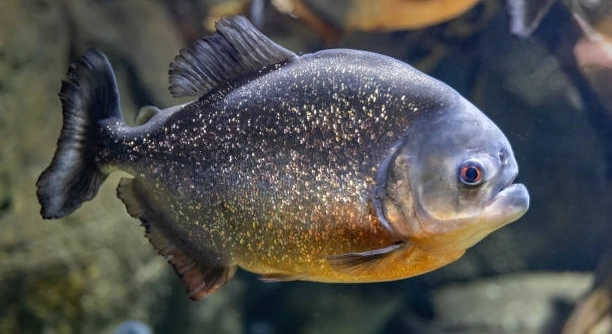
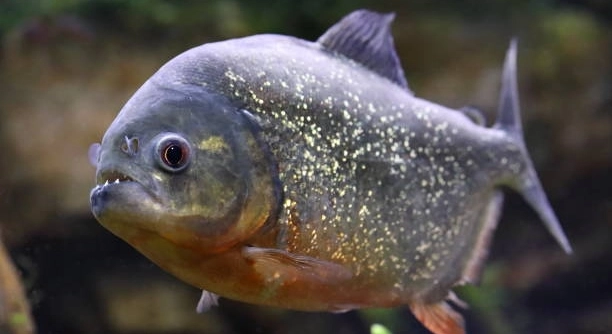
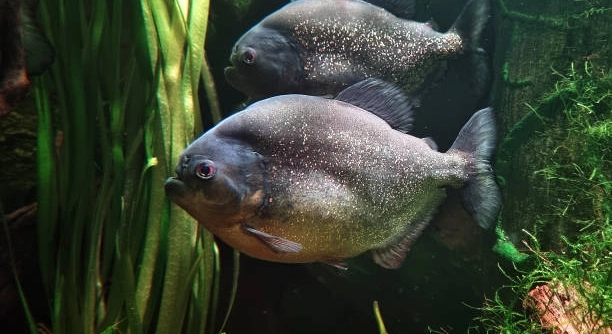
7 Colors That Stimulate Piranha Curiosity
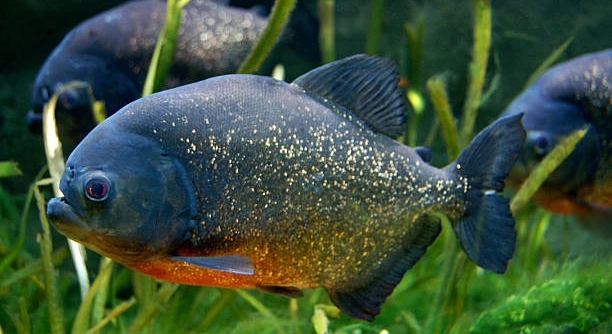
Piranhas respond differently to various colors in their environment. Certain hues can attract their attention more than others. Understanding which colors stimulate piranha curiosity helps in observing their natural behavior more effectively. Research shows that piranhas are particularly drawn to seven specific colors due to their vision and natural instincts. These colors trigger curiosity by … Read more
7 Shifts in Behavior During Storms

Do you ever find yourself changing your habits the moment storm clouds roll in and thunder starts to rumble in the distance? People tend to shift their behavior during storms due to a mix of environmental cues and emotional responses. These changes often include increased indoor activity, heightened alertness, and altered communication patterns, reflecting both … Read more

7 Piranhas That Avoid Conflict Entirely

Have you ever thought piranhas were always aggressive, bloodthirsty fish with a reputation for chaos in the water? Several piranha species are surprisingly peaceful, showing little to no aggression toward others in their natural environments. These types often rely on avoidance, passive behaviors, and social cues to stay out of unnecessary conflict. These piranhas behave … Read more

7 Jaw Movements That Say a Lot

Jaw movements often reveal more than just chewing or talking. They can reflect emotions, thoughts, or even stress in subtle ways. Understanding these movements helps in reading nonverbal cues during everyday interactions. Seven distinct jaw movements can provide insight into a person’s emotional state or intentions. These include clenching, jutting, tightening, trembling, shifting, dropping, and … Read more

7 Things Piranhas Do When They’re Happy

Piranhas are often seen as fierce fish, but they also show signs of well-being when they are content. Observing their behavior can reveal interesting details about their mood and environment. These behaviors help us understand them better. When piranhas are happy, they display calm swimming patterns, engage in social interactions with their group, maintain good … Read more

7 Unexpected Threats to Piranhas in the Wild

Piranhas are often seen as fierce predators in the wild. However, there are surprising dangers they face beyond their reputation. These threats come from many unexpected sources in their natural environment. Piranhas encounter risks such as habitat loss, pollution, invasive species, climate change, disease, human interference, and natural predators. Each factor impacts their survival in … Read more

7 Ways Piranhas Use Their Senses at Night

Piranhas are well-known fish that live in rivers, especially in South America. They have sharp teeth and a strong bite, but they also rely on their senses to survive. At night, their senses help them find food and avoid danger. Piranhas use their senses such as smell, sight, hearing, touch, and special lateral lines to … Read more

7 Signals Piranhas Use to Communicate

Piranhas are often known for their sharp teeth and fast movements. However, these fish have a unique way of communicating with each other using different signals. Understanding these signals can help us learn more about their behavior and social interactions. Piranhas use seven key signals to communicate, including body posture, fin movements, jaw displays, sound … Read more

7 Piranha Movements You Should Never Ignore

Are your aquarium fish acting strange, showing quick darts or hiding more than usual? These behaviors might seem minor but can signal something serious. Observing their movements closely can help you spot trouble before it’s too late. Certain piranha movements indicate stress, illness, or aggression and should never be ignored. Rapid circling, sudden darting, fin … Read more

7 Things That Affect Piranha Growth Rates

Are your piranhas not growing as quickly as you expected, despite your best efforts to care for them properly each day? Piranha growth rates are influenced by several factors, including water temperature, diet quality, tank size, oxygen levels, genetics, stress, and light exposure. Each of these conditions plays a key role in determining how fast … Read more