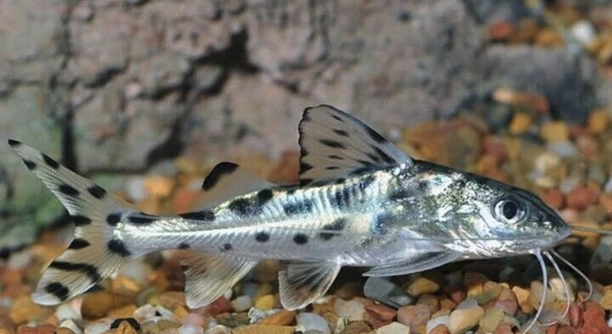
Do Pictus Catfish Prefer Warm or Cool Water?
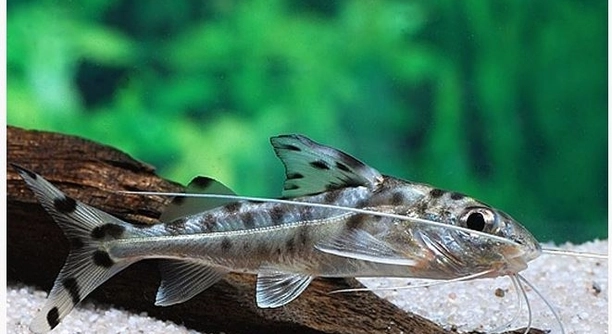
Many fish owners enjoy keeping Pictus Catfish because of their lively nature and interesting patterns. These freshwater fish are popular in home aquariums. Understanding their care needs helps keep them healthy and happy in the tank. Pictus Catfish prefer warm water, typically between 75°F and 82°F (24°C to 28°C). Maintaining this temperature range supports their … Read more
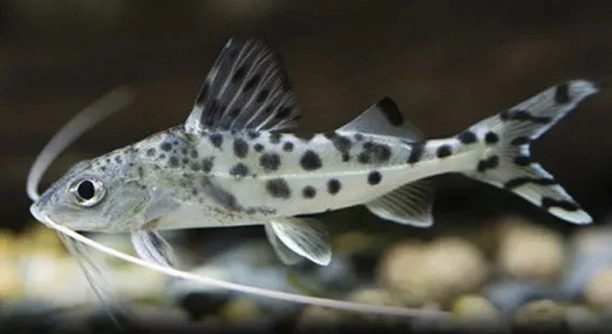
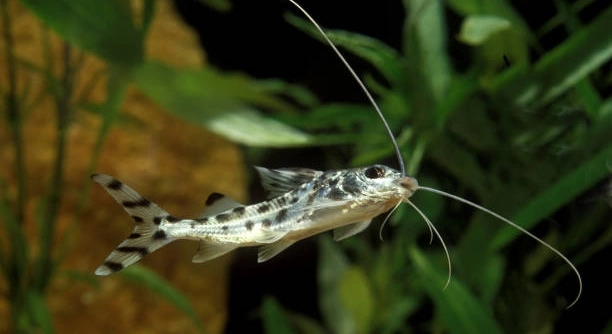
7 Reasons to Quarantine New Pictus Catfish

Do you ever bring home new fish and worry about how they might affect your existing aquarium setup and fish health? Quarantining new pictus catfish is essential to prevent the spread of disease, reduce stress for established fish, and ensure the new catfish adapt safely. This process supports overall tank stability and long-term fish health. … Read more

7 Mistakes That Make Pictus Catfish Skittish

Many fish owners enjoy keeping pictus catfish for their active behavior and unique appearance. However, these fish can sometimes appear skittish or nervous in their tanks. Understanding what causes this behavior is important for their well-being. Pictus catfish become skittish mainly due to poor water quality, sudden changes in their environment, inappropriate tank mates, overcrowding, … Read more

7 Feeding Times That Match Pictus Activity Cycles

Feeding your pictus catfish at the right times can help support their natural behavior. Understanding their activity cycles makes it easier to provide care that fits their needs. This article covers feeding times aligned with pictus habits. Pictus catfish are most active during dawn, dusk, and night, making these times ideal for feeding. Matching feeding … Read more

7 Signs Your Pictus Is Outgrowing Its Tank

Are your pictus catfish showing signs of discomfort in their tank? Many fish owners face the challenge of knowing when their aquatic pets need more space. Understanding these signs is important for maintaining a healthy environment. Pictus catfish outgrow their tanks when their size and activity levels exceed the available space, causing stress and poor … Read more

Are Pictus Catfish Territorial or Just Shy?

Are your Pictus catfish often hiding in your aquarium, leaving you wondering about their behavior? These lively fish are popular for home tanks but can be puzzling with their quiet nature. Many owners notice they keep to themselves more than expected. Pictus catfish are generally shy rather than territorial. They prefer to avoid conflict and … Read more

7 Ways to Make Your Pictus Tank Look Natural

Are your Pictus catfish tank and decorations looking a bit artificial or plain? Many fishkeepers want their aquariums to feel like a natural underwater scene. Creating a natural look can improve both the tank’s appearance and the fish’s comfort. The best way to make your Pictus tank look natural is by carefully choosing plants, substrate, … Read more

7 Causes of Frantic Swimming in Pictus Catfish

Frantic swimming is a common behavior observed in Pictus catfish that can signal various underlying issues. Understanding the reasons behind this activity helps in maintaining the health and well-being of these popular aquarium fish. This article outlines the main causes of frantic swimming. Frantic swimming in Pictus catfish typically results from stressors such as poor … Read more

7 Simple Changes That Boost Pictus Health

Are your Pictus catfish showing signs of sluggish movement or faded coloring despite regular care and a clean tank environment? Improving your Pictus catfish’s health often comes down to small, consistent changes in their care routine. Enhancing water quality, adjusting diet, and ensuring adequate space can significantly boost their vitality, behavior, and overall well-being. Each … Read more

Why Your Pictus Catfish Is Always on the Bottom

Is your Pictus Catfish always resting at the bottom of the tank, even when everything else seems normal in your setup? The most common reason your Pictus Catfish stays near the bottom is due to its natural behavior. Pictus Catfish are bottom-dwellers by nature and prefer hiding in caves, under rocks, or along the substrate. … Read more