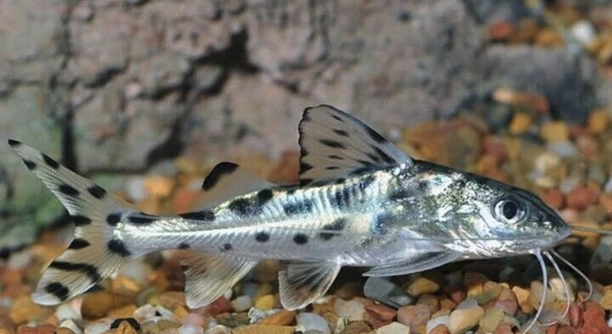
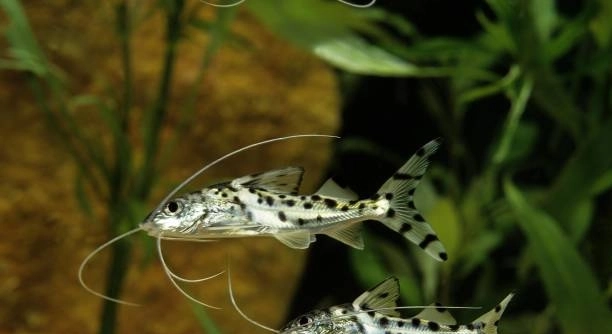
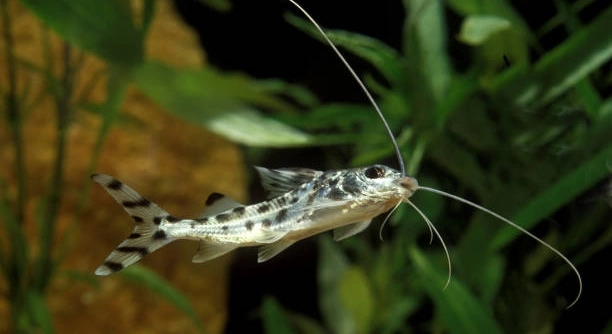
How to Transport a Pictus Catfish Without Stress
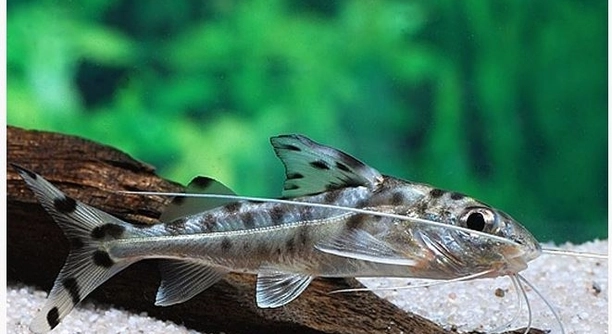
Have you ever found yourself needing to move your pictus catfish but worried about causing it too much stress in the process? The best way to transport a pictus catfish without stress is by using a secure, well-oxygenated container and maintaining stable water conditions. Limiting light and movement helps reduce anxiety and keeps the fish … Read more
Should You Quarantine a Lone Pictus Catfish?

A lone Pictus catfish can be an interesting addition to a home aquarium. These fish are known for their peaceful nature and unique appearance. Many aquarium keepers wonder if quarantine is necessary for a single Pictus catfish before introducing it to a tank. Quarantining a lone Pictus catfish is generally recommended to prevent disease introduction … Read more

How to Keep the Peace With Multiple Pictus

Keeping multiple Pictus catfish in one tank can be a rewarding experience for fish lovers. These active fish often share their space well, but some care is needed to keep them peaceful and healthy. Proper tank setup and management are key to success. Maintaining peace among multiple Pictus involves providing enough space, hiding spots, and … Read more

Can Pictus Catfish Be Kept in Planted Tanks?

Keeping Pictus catfish in a planted tank can be an appealing option for many aquarium hobbyists. These fish are known for their peaceful nature and active swimming habits. They can add life and movement to a planted environment without disturbing most plants. Pictus catfish can be kept successfully in planted tanks if the plants are … Read more

7 Reasons to Avoid Certain Plants in Pictus Tanks

Have you ever added plants to your pictus catfish tank only to notice changes in behavior or water quality afterward? Some plants can harm pictus catfish by affecting water parameters, reducing oxygen levels, or releasing toxins. Inappropriate choices may also disrupt their natural behaviors, hiding spots, or swimming space, leading to stress and poor health. … Read more

7 Minor Setup Changes With Big Effects

Minor changes in how you set things up can lead to surprisingly large improvements. Small adjustments often go unnoticed but can make a real difference in everyday tasks. These simple shifts help create better results without much effort. Seven minor setup changes can significantly impact outcomes by improving efficiency, quality, and ease of use. These … Read more

Are Pictus Catfish Curious or Cautious by Nature?

Are you interested in how Pictus catfish behave in home aquariums? These lively fish often capture attention with their active swimming and shimmering spots. Understanding their nature helps hobbyists create a better environment for them. Pictus catfish exhibit a balance of curiosity and caution. They explore new surroundings carefully while remaining alert to potential threats. … Read more

How to Know If Your Pictus Catfish Likes You

Many people enjoy keeping Pictus catfish as pets because of their peaceful nature and unique appearance. These small fish can bring life to any aquarium, but understanding their behavior can sometimes be tricky. Knowing if your catfish is comfortable around you helps build a stronger bond. Pictus catfish show signs of liking their owner through … Read more

What If Your Pictus Fish Only Comes Out to Eat?

Is your pictus fish only coming out to eat but hiding the rest of the time? Many aquarium owners notice this behavior and wonder if it signals a problem. Understanding why pictus fish behave this way can help improve their care and comfort. Pictus fish that only emerge to feed often feel stressed, insecure, or … Read more

7 Tank Conditions That Stress Pictus Catfish

Pictus catfish are popular aquarium fish known for their sleek appearance and active behavior. Keeping them healthy requires attention to their tank environment. Stress from poor conditions can affect their wellbeing and lifespan. Seven key tank conditions cause stress to Pictus catfish: inadequate water quality, improper temperature, overcrowding, insufficient hiding spaces, wrong substrate, poor diet, … Read more