Why Is My Convict Cichlid Always Hiding?

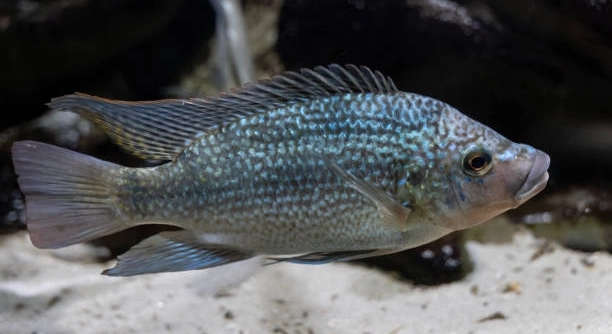
Many convict cichlid owners notice their fish spending long hours tucked away in caves or behind decorations. This behavior can feel concerning, especially when the fish rarely comes out to swim around the tank. Convict cichlids often hide due to stress, environmental changes, or natural territorial instincts. Providing proper tank conditions, hiding spots, and stable … Read more
Why Do Cichlids Chase the Filter Output?

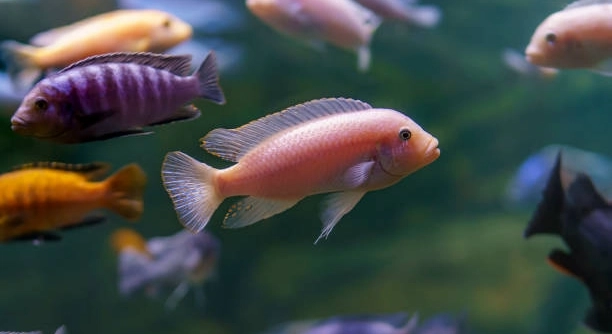
Cichlids are lively and colorful fish that often keep aquarium owners entertained. Their active behavior includes swimming in circles and chasing objects, which sometimes focuses on the water filter output, creating a dynamic and curious display in the tank. Cichlids chase the filter output mainly because of the strong water current it produces. The movement … Read more

7 Things That Change After Spawning Ends

Have you ever noticed how life shifts after the excitement of spawning ends? Many people don’t realize the subtle changes that occur once this natural process is over. Adjustments in behavior, energy, and routine can follow unexpectedly. After spawning ends, physiological, behavioral, and environmental factors influence the organism’s daily life. Changes in energy allocation, hormone … Read more

7 Easy DIY Hides for Convict Cichlid Tanks

Convict cichlids are known for their bold personalities and need for secure spaces in their tanks. Many fish owners struggle to provide hiding spots that are both safe and easy to create. Simple solutions can improve their environment quickly. Providing easy DIY hides for convict cichlid tanks can significantly enhance their well-being. Simple structures such … Read more

7 Signs Your Convict Cichlid Is Lonely

Convict cichlids are known for their vibrant colors and lively personalities, yet they are social creatures that require interaction. Observing their behavior can reveal signs of loneliness that may affect their well-being and daily activity levels. Loneliness in convict cichlids often manifests through increased aggression, lethargy, reduced appetite, and repetitive swimming patterns. These behavioral changes … Read more

Can Convict Cichlids Be Kept in Bowls?

Convict cichlids are popular for their bold colors and interesting behavior. Many fish owners enjoy keeping them because they are hardy and active. Observing them in a tank can be a relaxing and rewarding experience. Convict cichlids should not be kept in bowls due to their territorial nature and need for sufficient swimming space. Bowls … Read more

How Many Convict Cichlids Should I Keep?

Do you enjoy keeping fish but find yourself wondering how many convict cichlids are appropriate for your aquarium? These small, striking fish are active and social, yet their territorial nature can create challenges in shared tanks. The ideal number of convict cichlids in a single tank depends on aquarium size, available hiding spaces, and the … Read more

7 Odd Pairings That Worked With Cichlids

Keeping cichlids can be a rewarding experience, but many aquarists struggle with choosing the right tankmates. Some combinations seem unusual, yet they thrive together under the right conditions. Observing successful pairings can be fascinating. Certain odd pairings of cichlids with other species succeed due to complementary behaviors, compatible water requirements, and non-overlapping territories. Proper tank … Read more

Can Convict Cichlids Breed Without a Cave?

Convict cichlids are colorful freshwater fish that are popular in home aquariums. Many hobbyists focus on their breeding habits and wonder if these fish can reproduce without the typical cave structures they prefer. Convict cichlids can breed without a cave, though it is less common. They may lay eggs on flat surfaces or aquarium walls, … Read more

7 Unusual Fry Behaviors Explained

Fry can display behaviors that seem unusual or confusing, especially when they are young. Observing their movements and interactions can reveal patterns that are both fascinating and unexpected, showing more than just simple survival instincts. Many unusual fry behaviors are driven by instinctual needs, environmental responses, or social interactions. Actions such as darting, nipping, or … Read more