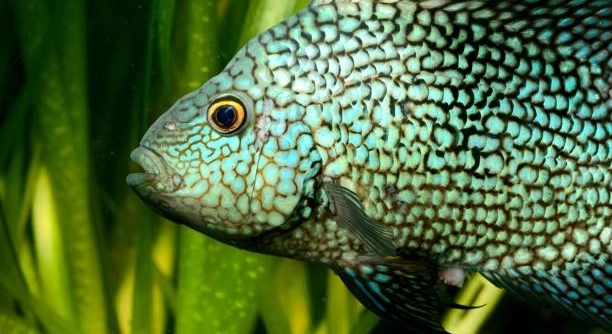
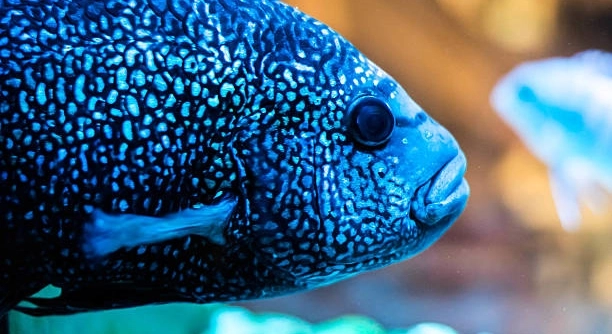
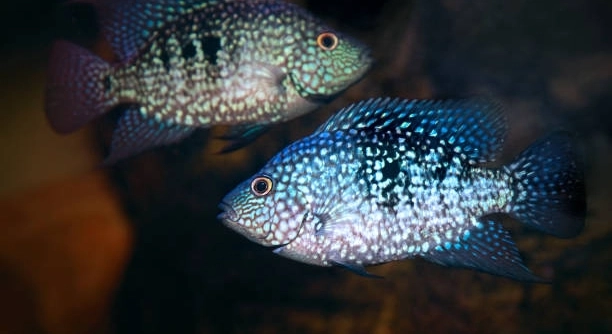
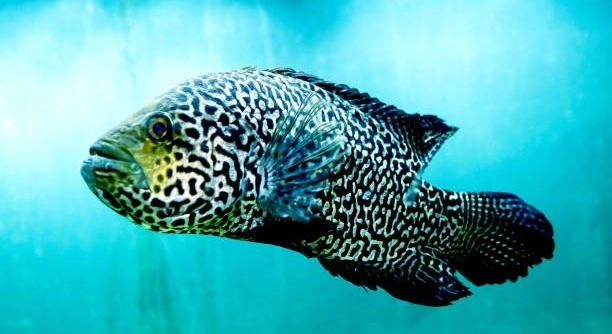
7 Hidden Clues Your Dempsey Fish Is Uncomfortable
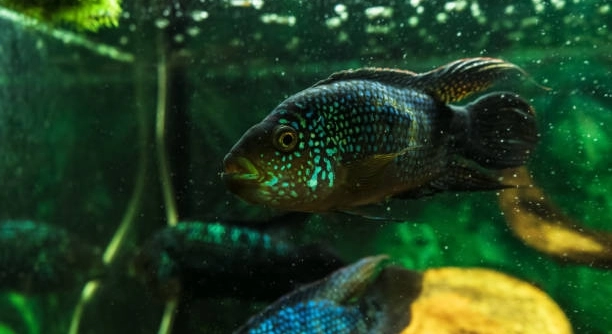
Are your Dempsey fish moving less or hiding in corners more than usual? Small changes in behavior or appearance can indicate stress. Observing these subtle differences helps you provide a healthier, more comfortable environment for your fish. Dempsey fish show clear signs when uncomfortable, including faded coloration, clamped fins, erratic swimming, rapid gill movement, loss … Read more

What It Means When Jack Dempsey Fish Go Pale

Jack Dempsey fish are known for their vibrant colors and lively behavior in home aquariums. Observing them change from bright hues to pale shades can be surprising and concerning for many fish enthusiasts caring for these popular cichlids. A Jack Dempsey fish turning pale is usually a sign of stress, illness, or environmental changes. Factors … Read more

7 Tips to Boost Color in Jack Dempsey Fish

Jack Dempsey fish are admired for their striking colors, yet many owners notice their vibrancy can fade over time. Maintaining strong, vivid hues requires attention to diet, environment, and overall care to ensure they stay visually stunning. Enhancing color in Jack Dempsey fish relies on providing a nutrient-rich diet, stable water conditions, and proper lighting. … Read more

Can Jack Dempsey Fish Live in Outdoor Ponds?

Jack Dempsey fish are striking and popular among aquarium enthusiasts. Their vibrant colors and active behavior make them appealing, yet keeping them outside in a pond requires careful planning. Many people consider outdoor ponds for these hardy cichlids. Jack Dempsey fish can survive in outdoor ponds under specific conditions. They require stable water temperatures, proper … Read more

7 Ways to Bond With Your Jack Dempsey Fish

Do you ever find yourself wanting a calmer, more trusting relationship with your Jack Dempsey fish while caring for its needs, temperament, and daily routine inside a well maintained home aquarium environment over time together. Bonding with a Jack Dempsey fish relies on consistent care, controlled interaction, and environmental stability, as these fish respond positively … Read more

7 Things That Calm Down an Overactive Fish

Is your fish constantly darting around the tank, leaving you worried about its well-being? Overactive fish can be stressful to watch, and maintaining a calm environment is essential for their health and happiness in home aquariums. Managing an overactive fish involves optimizing tank conditions, adjusting feeding schedules, introducing calming décor, and monitoring water parameters. Each … Read more

7 Feeding Habits That May Cause Fights

Eating together can be a joyful experience, but sometimes small habits at the table can lead to tension. Even friendly meals may spark disagreements when certain routines or behaviors interfere with comfort and space. Certain feeding habits, such as overeating, hogging shared dishes, or insisting on particular foods, can create conflict between people. These behaviors … Read more

7 Causes of Sudden Color Loss in Fish

Have you ever noticed your fish losing its bright colors even though it seems healthy? Watching your fish fade can be upsetting, especially when you’ve worked hard to create a lively aquarium environment for them. Sudden color loss in fish is often caused by stress, illness, poor water quality, nutritional deficiencies, or genetic factors. Identifying … Read more

Why Jack Dempsey Fish Might Chase the Filter

Have you ever noticed your Jack Dempsey fish swimming near the filter for long periods? Their bold colors and active nature make them fascinating to watch, especially when they seem drawn to the moving water in the tank. Jack Dempsey fish often chase the filter because it creates water movement, stimulates their curiosity, and circulates … Read more

7 Times You Should Avoid Moving Jack Dempsey Fish

Have you ever noticed your Jack Dempsey fish acting restless or hiding more than usual? These fish are vibrant and full of energy, but they are also sensitive to changes in their tank environment and routine. Jack Dempsey fish should not be moved during breeding, after feeding, when ill, under poor water conditions, during tank … Read more