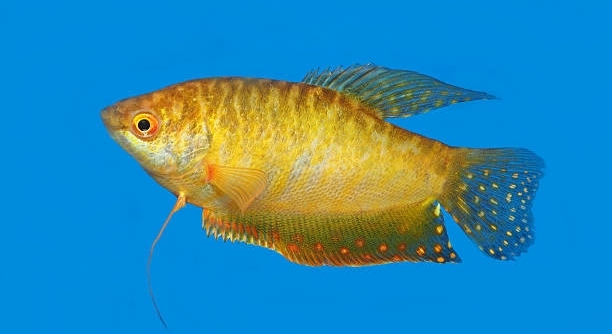
Why Is My Giant Gourami Jumping Out of the Tank?

Giant gouramis are fascinating fish that bring life and movement to any home aquarium. Watching them swim gracefully can be relaxing, but sometimes they behave in unexpected ways that surprise their owners. Giant gouramis jump out of tanks primarily due to stress, poor water quality, or insufficient tank space. Environmental changes, lack of stimulation, and … Read more
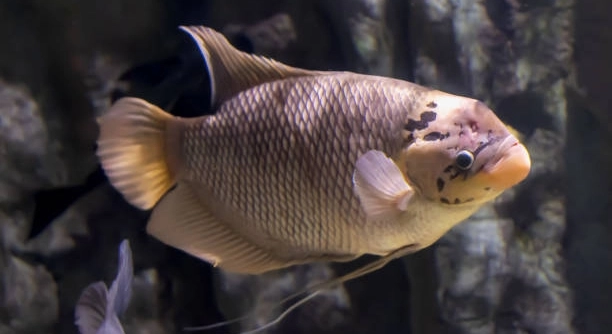
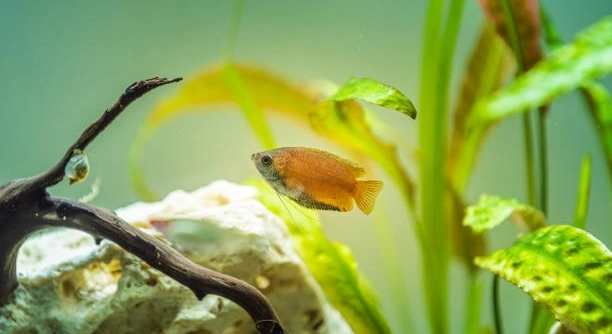
7 Natural Additions That Calm Gouramis Fast

Gouramis are peaceful fish, but they can get stressed easily in busy aquariums. Providing a calm environment helps them stay healthy and vibrant, making your aquarium more enjoyable for both you and your fish friends. Adding natural elements like floating plants, Indian almond leaves, gentle water flow, and proper lighting can significantly reduce stress in … Read more

7 Reasons Your Gourami Has White Spots (+Treatments)

Have you noticed small white spots appearing on your gourami lately? These marks can be concerning for any fish owner. White spots may indicate stress, illness, or environmental problems affecting your pet’s health in subtle ways. White spots on gouramis are most commonly caused by parasitic infections, poor water quality, or stress-related immune weakness. Prompt … Read more

Can You House a Giant Gourami in a Planted Tank?

Giant gouramis are striking freshwater fish known for their size and gentle nature. Many aquarists enjoy keeping them in home aquariums, but housing such a large species in a planted tank requires careful consideration and preparation. Giant gouramis can be kept in a planted tank, but their large size and strong feeding habits demand spacious … Read more

7 Things That Make Gouramis Feel Unsafe

Gouramis are delicate fish that need a calm and secure environment to thrive. Even small changes in their surroundings can make them anxious, affecting their behavior and overall health. Recognizing signs of stress is important for their care. Gouramis feel unsafe due to factors such as sudden changes in water quality, aggressive tank mates, lack … Read more

Why Is My Gourami Lying Still on a Plant?

Do you ever notice your gourami resting quietly on a plant and wonder if it is just relaxing or something more serious? Observing your fish closely can help you understand its behavior and overall health. A gourami lying still on a plant is often a sign of stress, illness, or water quality issues. Ensuring proper … Read more

Do Giant Gouramis Like Company? (Behavior Guide)

Giant gouramis are large freshwater fish known for their calm and curious nature. They often explore their surroundings slowly and can recognize familiar faces, making them more interactive than many other aquarium species. Their behavior can be fascinating to watch. Giant gouramis can enjoy the presence of other fish or companions under suitable conditions. They … Read more

7 Sound Frequencies Gouramis React Strongly To

Gouramis are fascinating fish that often respond to subtle changes in their environment. Many owners notice unusual reactions, but few realize that specific sound frequencies can strongly influence their behavior and daily activity patterns. Research shows that gouramis respond most strongly to seven specific sound frequencies, ranging from low to mid-range vibrations. These frequencies trigger … Read more

7 Tips to Improve Your Gourami’s Appetite Naturally

Gouramis are sensitive fish, and changes in their appetite can signal stress or poor tank conditions. Many owners struggle with feeding routines, seeking ways to naturally encourage their fish to eat consistently and maintain their health. Improving a gourami’s appetite naturally involves adjusting diet variety, maintaining optimal water quality, providing a stable environment, and introducing … Read more

How to Know If Your Gourami Is Overheated

Gouramis are delicate fish that thrive in carefully maintained water conditions. Overheating can quickly stress them, affecting their health and behavior. Observing your tank and knowing what to look for is essential for their well-being. Overheating in gouramis occurs when water temperatures exceed their comfort range, typically above 82°F (28°C). Signs include rapid gill movement, … Read more