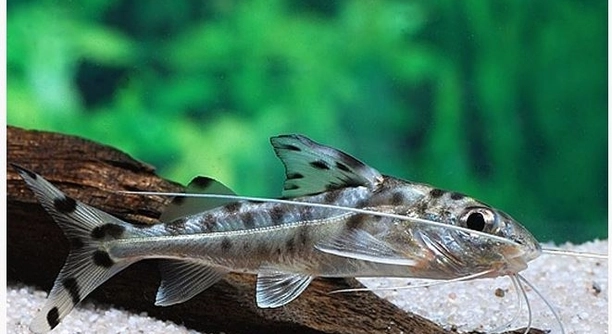
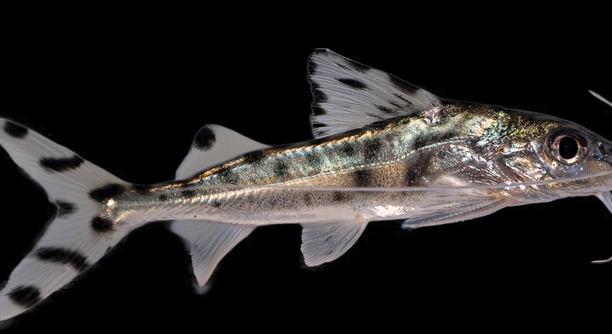
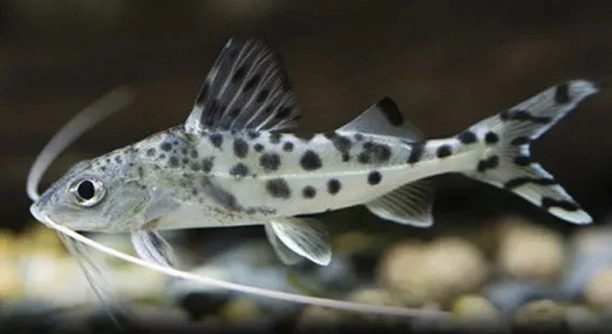
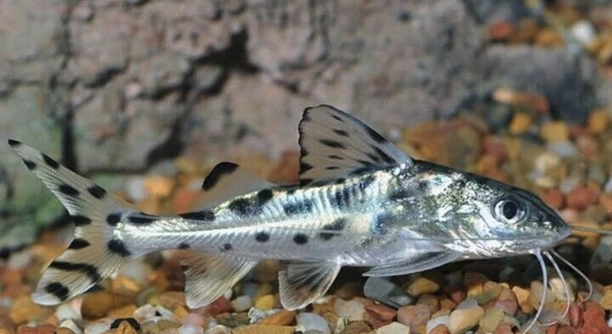
Why Is My Pictus Catfish Avoiding Its Group?
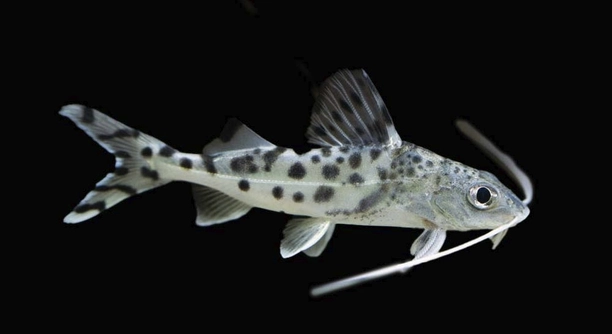
Is your Pictus catfish suddenly avoiding its group and staying apart? This behavior can be confusing, especially if your fish usually swim together peacefully. Understanding why this happens can help you improve their environment and care. Pictus catfish may isolate themselves due to stress, illness, poor water quality, or changes in their social group. These … Read more
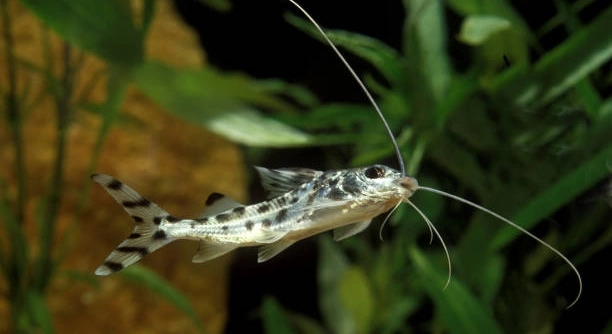
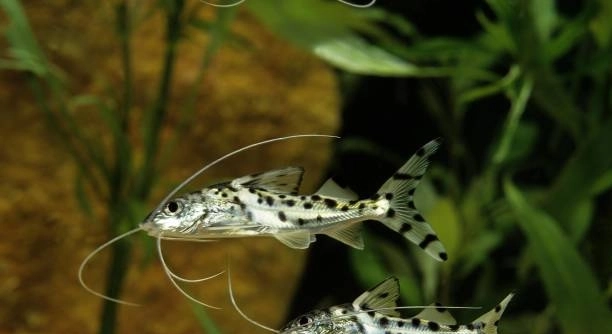
Why Pictus Catfish Don’t Like Overcrowded Tanks

Many aquarium owners enjoy keeping Pictus Catfish for their unique appearance and active behavior. These fish require specific conditions to stay healthy and happy in home tanks. Understanding their needs helps ensure a better environment for them. Pictus Catfish do not like overcrowded tanks because limited space increases stress and competition for resources. Overcrowding reduces … Read more

7 Common Feeding Errors with Pictus Catfish

Feeding Pictus Catfish can sometimes be tricky, especially for new aquarium owners. Many common mistakes happen without realizing how they affect the fish’s health. Learning about these errors can help keep your catfish happy and thriving. The seven common feeding errors with Pictus Catfish include overfeeding, providing inappropriate food types, poor feeding schedules, neglecting water … Read more

7 Tank Conditions That Mimic a Natural Habitat

Many aquarium owners want to create a tank environment that feels natural for their fish and plants. Mimicking natural habitats can help keep aquatic life healthy and comfortable. Small adjustments in tank conditions can make a big difference. Seven key tank conditions closely resemble natural habitats, including water temperature, pH levels, lighting, substrate type, water … Read more

What’s the Ideal Group Size for Pictus Catfish?

Pictus catfish are popular freshwater fish known for their active and social behavior. Many aquarium enthusiasts enjoy keeping them because of their unique patterns and lively nature. Understanding how to care for them properly is important for their well-being. The ideal group size for pictus catfish is typically between five and seven individuals. This range … Read more

7 Reasons Your Pictus Might Hide All Day

Do you ever notice your pictus catfish staying hidden for most of the day? These fish are known for their shy and secretive nature. It can be puzzling when they spend hours out of sight, even in a lively tank environment. Pictus catfish often hide all day due to stress, water conditions, or their natural … Read more

What To Do If Pictus Catfish Avoid the Bottom

Many aquarists enjoy keeping Pictus catfish for their active nature and bottom-dwelling habits. However, it can be concerning when these fish avoid the bottom of the tank. Understanding why this behavior occurs is important for their well-being. If a Pictus catfish avoids the bottom, it may be due to water quality issues, stress, illness, or … Read more

How Long Does It Take for Pictus Catfish to Adjust?

Pictus catfish are popular in home aquariums for their peaceful nature and unique appearance. When first introduced to a new tank, they often need some time to get used to their surroundings. Understanding their adjustment period can help ensure their well-being and comfort. Pictus catfish typically take about one to two weeks to fully adjust … Read more

7 Best Conditions for Breeding Pictus Catfish

Breeding pictus catfish can be rewarding but requires careful attention to their environment. Knowing the best conditions helps ensure their health and increases the chances of successful breeding. These conditions cover water quality, temperature, and tank setup. Optimal breeding conditions for pictus catfish include maintaining clean, well-oxygenated water with stable parameters. Temperature should be kept … Read more

Can You House Pictus Catfish with Goldfish?

Have you ever set up a peaceful aquarium only to wonder if certain fish can truly coexist without issues over time? Pictus catfish and goldfish should not be housed together. They have different environmental needs, dietary habits, and temperaments, which can lead to stress, illness, and even injury for one or both species. Understanding their … Read more