7 Aquarium Myths That Don’t Apply to Pictus
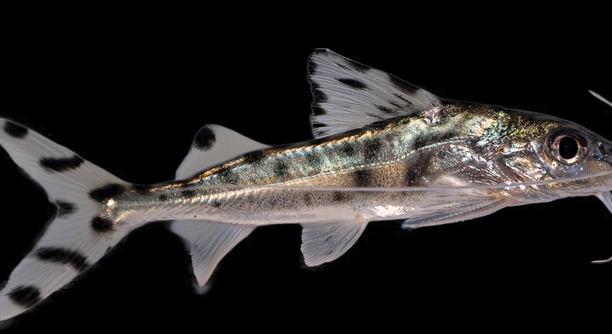
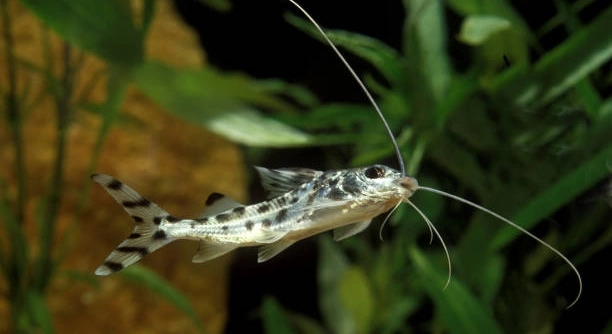
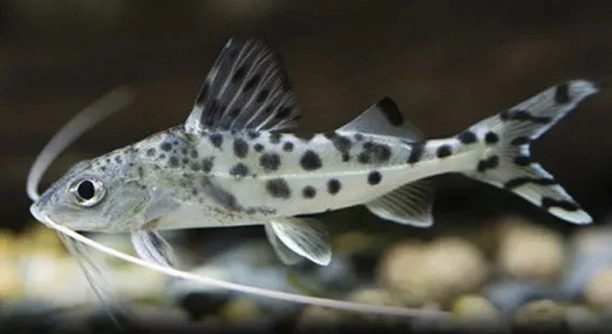
Many aquarium owners often follow general advice when caring for Pictus catfish, assuming all fish have similar needs. These common beliefs can sometimes cause confusion or unnecessary worry. It’s important to understand which ideas truly apply to Pictus. Many myths about aquarium fish care do not hold true for Pictus catfish. Their behavior, diet, and … Read more
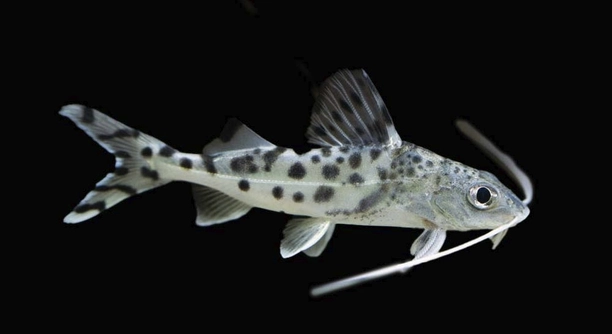
What pH Is Best for Pictus Catfish?

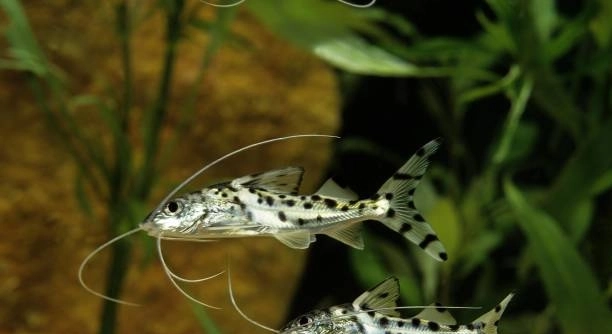
Have you ever set up an aquarium and felt unsure about getting the water conditions just right for your fish? Ensuring the proper environment is essential for the health and happiness of your aquatic pets, especially delicate species. The ideal pH range for Pictus Catfish is between 6.5 and 7.5. Maintaining stable water conditions within … Read more

Can You Keep a Single Pictus Catfish?

Keeping a pictus catfish as a pet can be rewarding for aquarium lovers. These fish are known for their active nature and attractive spotted patterns. Many people enjoy watching their lively behavior in a well-maintained tank. Pictus catfish are social animals that prefer living in groups rather than alone. Keeping a single pictus catfish can … Read more

Can You Use Salt in a Pictus Catfish Tank?

Are you setting up a tank for your pictus catfish and wondering if adding salt might help improve their environment? Salt can be useful in some aquariums, but it’s not always safe for every species. Pictus catfish are sensitive to salt, and while small amounts may be used in specific medical treatments, regular or excessive … Read more

Can Pictus Catfish Jump Without Warning?

Pictus catfish are popular freshwater fish known for their active behavior in home aquariums. Many aquarium owners notice these fish moving around quickly and sometimes leaping out of the water. Understanding their jumping habits is important for keeping them safe and comfortable. Pictus catfish can jump without warning, often reacting suddenly to environmental changes or … Read more

7 Ideal Water Parameters for Long-Term Pictus Health

Caring for pictus cats requires attention to their environment and water quality. Keeping water parameters stable helps these fish thrive over time. Healthy water supports their activity, color, and overall wellbeing in home aquariums. The seven ideal water parameters for long-term pictus health include temperature, pH, hardness, ammonia, nitrite, nitrate levels, and oxygen content. Maintaining … Read more

Should You Use a Sump Filter With Pictus Catfish?

Many fishkeepers enjoy keeping Pictus Catfish for their lively behavior and unique appearance. These fish need a clean and well-maintained tank to stay healthy and active. Filtration is an important part of creating the right environment for them. Using a sump filter with Pictus Catfish can provide superior water quality by offering greater biological filtration … Read more

Are Pictus Catfish Smarter Than They Look?

Pictus catfish are popular in home aquariums due to their striking appearance and active behavior. Many owners notice their playful movements but often underestimate their intelligence. These fish may surprise you with their ability to adapt and solve simple problems. Research suggests that pictus catfish exhibit cognitive skills beyond what is typically expected of freshwater … Read more

Are Pictus Catfish Sensitive to Magnetic Fields?

Pictus catfish are popular freshwater fish known for their active nature and unique appearance. Many aquarists appreciate their peaceful behavior and adaptability in home tanks. Understanding their sensitivity to environmental factors is important for their care. Pictus catfish are not significantly sensitive to magnetic fields. Scientific studies indicate that their behavior is primarily influenced by … Read more

Why Is My Pictus Catfish Always Exploring?

Many aquarists enjoy watching their Pictus catfish swim actively in the tank. These fish are known for their constant movement and curious nature. Their exploring behavior is part of what makes them interesting to observe. Pictus catfish explore frequently because they are naturally curious and nocturnal bottom dwellers. Their behavior helps them search for food, … Read more