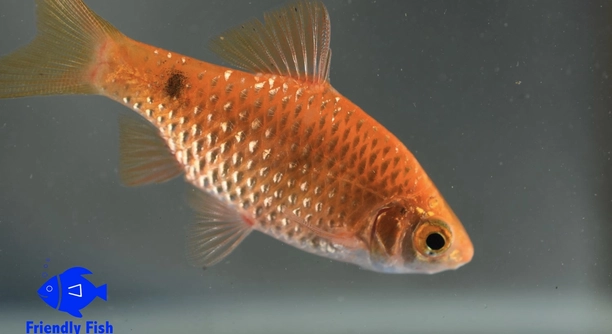
Why Is My Rosy Barb Pressing Its Face to the Glass?
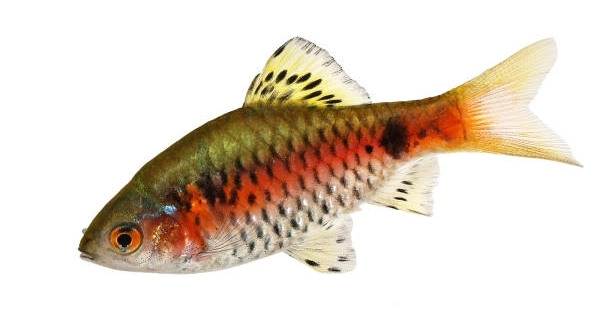
Many aquarium owners enjoy watching their Rosy Barbs swim actively around the tank. Sometimes, these fish may press their faces against the glass, which can seem unusual or concerning. Understanding this behavior can help maintain a healthy aquarium environment. Rosy Barbs pressing their faces to the glass usually indicate stress, poor water quality, or irritation. … Read more
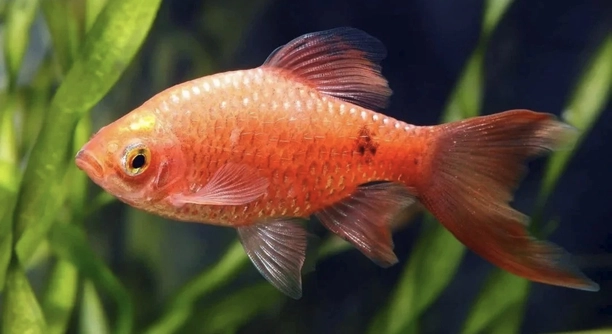
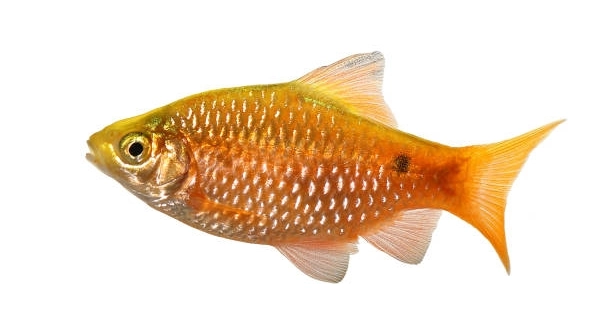
Why Are My Rosy Barbs Staring at One Spot?

Rosy barbs are lively freshwater fish often found in home aquariums. Sometimes, they seem to focus intently on one spot for a while. This behavior can be puzzling for fish keepers who want to understand their pets better. Rosy barbs staring at one spot is usually linked to environmental stress, illness, or curiosity about changes … Read more

Do Rosy Barbs Prefer Company or Independence?

Rosy Barbs are popular aquarium fish that many hobbyists enjoy keeping. They have bright colors and active behavior, making them interesting pets. Understanding their social needs is important for their health and happiness in home tanks. Rosy Barbs prefer living in groups rather than alone. They are schooling fish that feel safer and more comfortable … Read more

Why Do Rosy Barbs Avoid the Middle of the Tank?

Rosy barbs are popular freshwater fish often kept in home aquariums. Many owners notice these fish avoid the tank’s middle area, preferring edges and corners. This behavior can seem puzzling to new and experienced aquarists alike. Rosy barbs avoid the middle of the tank mainly due to their natural instinct to stay near cover and … Read more

7 Times Rosy Barbs Act Differently (And Why)

Rosy barbs are popular freshwater fish known for their lively behavior and bright colors. They often act differently depending on various conditions around them. Understanding these changes can help keep them healthy and happy. Rosy barbs display different behaviors due to factors such as water quality, tank environment, social dynamics, feeding habits, and breeding cycles. … Read more

Can Rosy Barbs Feel Confident or Shy?

Rosy barbs are small, colorful fish often kept in home aquariums. Their behavior can vary, sometimes appearing bold and other times more reserved. Observing these shifts helps us understand their nature better. Rosy barbs exhibit a range of behaviors that suggest varying levels of confidence or shyness depending on their environment and social interactions. Factors … Read more

7 Instincts Rosy Barbs Show in New Tanks

Rosy barbs are popular freshwater fish often introduced to new tanks. Observing their behavior helps ensure they adapt well and remain healthy in unfamiliar surroundings. Recognizing their natural instincts can improve tank management. Rosy barbs exhibit specific instincts such as exploring their environment, establishing territory, schooling behavior, seeking hiding spots, reacting to changes, displaying feeding … Read more

7 Factors That Influence Breeding Readiness

Breeding readiness in animals depends on several important factors that affect their ability to reproduce successfully. These influences can come from both the environment and the animal’s own condition. Understanding them helps in managing healthy breeding practices. Seven key factors influence breeding readiness, including age, health, nutrition, hormonal balance, environmental conditions, stress levels, and genetic … Read more

7 Subtle Signs of Poor Water Quality

Are your household water and beverages sometimes tasting or smelling unusual? Many people overlook subtle signs that indicate poor water quality. These signs can affect health and daily life without being immediately obvious. Poor water quality often reveals itself through slight changes in taste, odor, and appearance. Cloudiness, discoloration, or an unusual metallic flavor can … Read more

7 Clues That Rosy Barbs Are Competing for Space

Are your rosy barbs acting differently, chasing each other more than usual, or spending time in unusual corners of the tank? Rosy barbs often compete for space due to territorial instincts, limited tank size, or environmental stressors. These behaviors typically include chasing, fin nipping, and clustering in specific areas, indicating social hierarchy or discomfort with … Read more