7 Visual Cues to Spot Rasbora Conflict

Rasboras are lively freshwater fish that brighten home aquariums with their movement and colors. Observing their behavior closely helps maintain a peaceful tank environment and ensures all fish coexist harmoniously without stress or injury. Recognizing early signs of conflict in rasboras is crucial for their well-being. Key visual cues include fin nipping, chasing, sudden color … Read more

Can Rasboras Change Color Over Time?

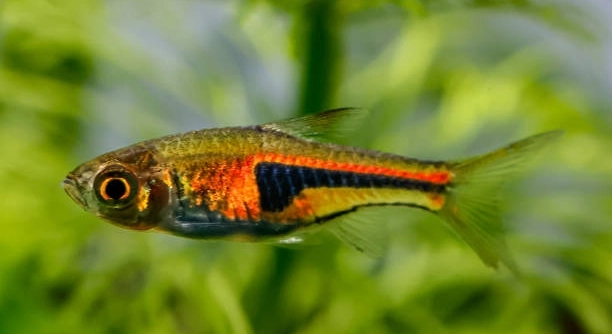
Rasboras are small, vibrant fish often found in home aquariums. Many aquarists enjoy their bright colors and peaceful nature. Over time, their appearance may subtly shift, catching the attention of fish enthusiasts. Rasboras can change color gradually due to factors such as age, diet, lighting, and environmental conditions. These changes are typically slow and may … Read more

7 Tank Upgrades That Benefit Rasboras

Do your rasboras seem less active or vibrant in their tank? Many hobbyists notice their small fish benefit greatly from simple changes in their aquarium setup. Upgrading your tank can improve both health and behavior. Several tank upgrades can enhance the overall well-being of rasboras. Adding proper filtration, suitable plants, controlled lighting, optimized water flow, … Read more

Do Rasboras Like Driftwood in the Tank?

Do your rasboras swim in a tank that feels plain or empty? Many aquarists find that adding natural elements can make the aquarium more lively and visually appealing for both fish and owner. Rasboras generally benefit from the inclusion of driftwood in their tanks. Driftwood provides hiding spaces, reduces stress, and contributes to a natural … Read more

Are Rasboras Okay with Small Currents?

Are your rasboras swimming in a tank with a gentle flow of water? Many aquarists wonder if small currents affect these delicate fish. Their graceful movements and social nature make them a popular choice for home aquariums. Rasboras can tolerate small currents without significant stress. Gentle water flow can mimic natural conditions, promote healthy swimming … Read more

What If Rasboras Keep Hiding All Day?

Rasboras are small, active fish that usually swim in groups and enjoy open spaces in their aquarium. When they suddenly disappear or hide for long periods, it can be concerning for any fish keeper. Observing their behavior closely helps. Rasboras may hide all day due to stress, poor water conditions, or inadequate shelter. Ensuring stable … Read more

7 Tank Adjustments for Better Schooling

Maintaining a vibrant and harmonious aquarium can be challenging when fish do not school properly. Many hobbyists notice their fish swimming in scattered patterns, which can affect both the tank’s appearance and the wellbeing of the fish. Adjusting tank conditions is essential for promoting proper schooling behavior. Factors such as water temperature, lighting, tank size, … Read more

Are Rasboras Sensitive to Sudden Shadows?

Many aquarists enjoy keeping rasboras for their peaceful nature and vibrant colors. These small freshwater fish add life to any tank and respond to their surroundings in subtle, interesting ways that captivate observers naturally. Rasboras are indeed sensitive to sudden shadows. Rapid changes in light can trigger a startle response, causing them to dart quickly … Read more

7 Behavioral Signs of a Sick Rasbora

Keeping a Rasbora healthy requires careful attention to its behavior. Observing daily movements and interactions can reveal subtle signs of stress or illness. Small changes often indicate that your fish may need immediate care or adjustment. Sick Rasboras often exhibit altered swimming patterns, loss of appetite, lethargy, faded colors, clamped fins, rapid gill movement, and … Read more

7 Times Rasboras Need Extra Attention

Rasboras are small, colorful fish that bring life to any freshwater aquarium. They are generally hardy, but there are moments when they need closer observation and care to stay healthy and active in their environment. Rasboras require extra attention during times of water parameter changes, illness, stress from overcrowding, introduction to new tankmates, breeding periods, … Read more