7 Tank Shapes Tiger Barbs Thrive In

Tiger barbs are lively, colorful fish that many aquarium lovers enjoy keeping. Choosing the right tank shape helps create a comfortable and healthy environment for them. Proper tank design supports their natural behaviors and well-being. Tiger barbs thrive best in tanks that provide ample swimming space and hiding spots. Common ideal shapes include rectangular, bow-front, … Read more
What Causes Tiger Barb Eyes to Cloud?

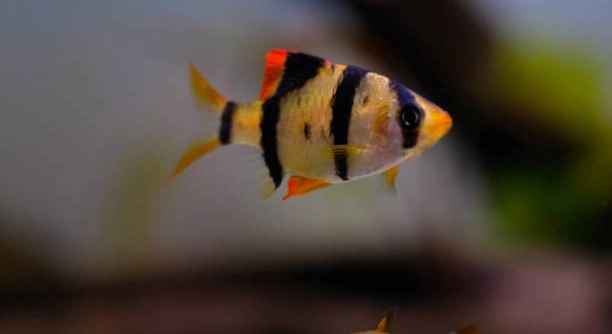
Tiger barbs are popular aquarium fish known for their bright colors and lively behavior. Sometimes, their eyes may start to look cloudy, which can be worrying for fish keepers. Understanding what causes this can help in keeping these fish healthy. Cloudy eyes in tiger barbs usually result from poor water quality, bacterial infections, or physical … Read more

How to Read a Tiger Barb’s Body Language

Do you ever find yourself watching your tiger barbs dart around the tank and wondering what their movements actually mean? Tiger barbs communicate through subtle body movements, fin positions, and changes in color. Reading these signs can help aquarists identify stress, aggression, or contentment in their fish, supporting better care and health. Knowing what to … Read more

7 Facts About Barb Movement Patterns

Barb movement patterns reveal how these fish behave in their natural and captive environments. Understanding these patterns helps in managing their well-being and social interactions. Many enthusiasts notice distinct behaviors that reflect their movement styles. Barb movement patterns are influenced by environmental conditions, social hierarchy, and species-specific traits. These factors determine their swimming speed, territory … Read more

7 Breeding Signs You Might Miss in Barbs

Barbs are lively fish that bring color and energy to any aquarium. Observing their behavior can reveal a lot about their health and breeding status. Recognizing subtle signs early helps ensure a better environment for these fish. Breeding signs in barbs often include changes in coloration, increased activity, and specific swimming patterns. These behaviors are … Read more

Do Tiger Barbs Prefer Groups Over Pairs?

Have you ever set up a small aquarium and noticed how some fish seem more active when they’re not alone? Watching their behavior can be fascinating, especially when it comes to social species like tiger barbs. Tiger barbs show a clear preference for living in groups rather than in pairs. Their social nature makes them … Read more

7 Things You Didn’t Know About Tiger Barbs

Have you ever owned tiger barbs and felt like there’s more to them than just their striking appearance and playful nature? Tiger barbs exhibit fascinating behaviors and traits that often go unnoticed by casual fish keepers. Their social dynamics, coloration shifts, and environmental responses reveal a complex species that thrives best under specific conditions. From … Read more

Why Tiger Barbs Might Look Pale at Night

Tiger barbs are popular aquarium fish known for their bright colors and active behavior. Many owners notice that these fish can look pale or dull, especially during nighttime or in low light. This change in appearance can be surprising but has a simple explanation. Tiger barbs appear pale at night due to their natural color-changing … Read more

Do Tiger Barbs Prefer Calm or Busy Tanks?

Many fishkeepers enjoy keeping tiger barbs for their lively behavior and striking colors. Knowing whether these fish prefer calm or busy tanks helps create a better environment for their health and happiness. This article explores their tank preferences clearly. Tiger barbs generally prefer moderately busy tanks that mimic their natural habitat with plenty of swimming … Read more

7 Tricks to Train Tiger Barbs to Feed by Hand

Are your tiger barbs active and playful, but hesitant to come near you during feeding time? Training them to feed by hand takes time and patience, but it can be a rewarding experience for both you and your fish. The most effective way to train tiger barbs to feed by hand is through consistent interaction, … Read more