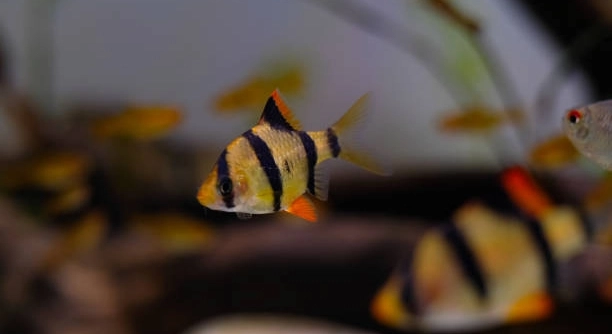
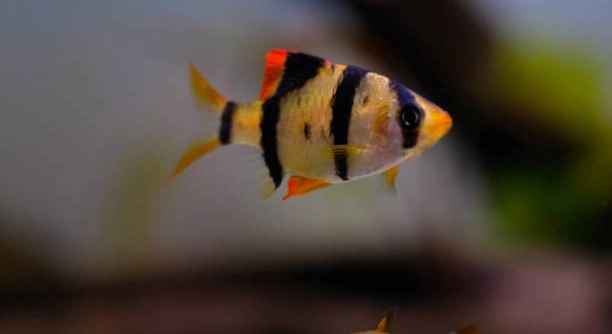
7 Signs of a Happy and Active Tiger Barb
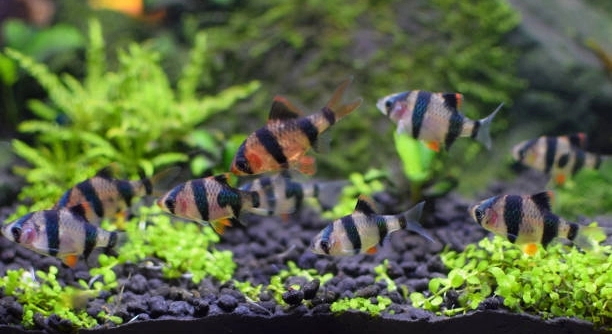
Tiger barbs are lively fish that bring energy to any aquarium. Recognizing their behavior helps ensure they stay healthy and comfortable in their environment. Watching for signs of happiness can improve your care routine. Happy and active tiger barbs exhibit vibrant colors, consistent swimming patterns, and regular feeding behavior. They interact with their environment and … Read more
What Makes Tiger Barbs More Territorial?

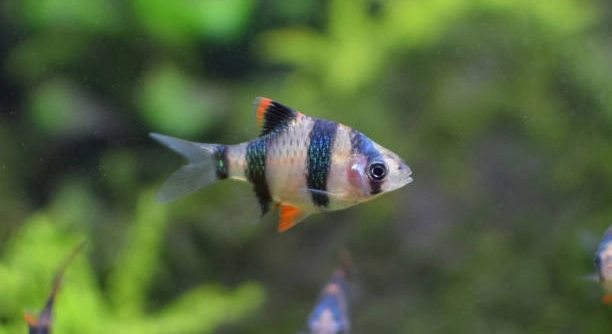
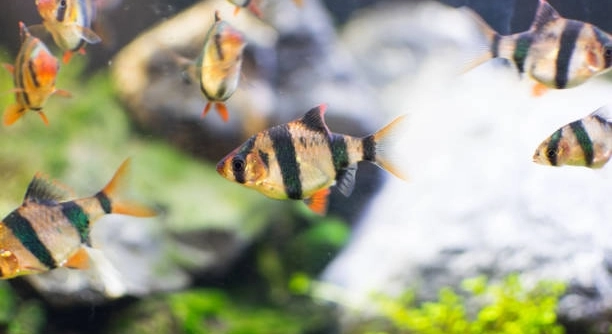
Tiger Barbs are known for their lively nature and vibrant colors, but they can also be quite territorial in home aquariums. Their behavior often surprises new fish keepers who expect peaceful community fish. Understanding why they act this way helps improve their care. Tiger Barbs display territorial behavior primarily due to their natural instincts for … Read more

7 Misconceptions About Tiger Barb Tanks

Are your tiger barbs showing odd behavior, or does their tank setup feel harder to manage than expected? You’re not alone. Many aquarium owners run into confusion when caring for these active and colorful freshwater fish. The biggest reason for confusion with tiger barb tanks is the spread of inaccurate information. These misconceptions can lead … Read more

Can Tiger Barbs Share Food Without Fighting?

Do you ever find yourself watching your tiger barbs chase each other during feeding time and wondering if they can eat in peace? Tiger barbs can share food without fighting, but their natural tendency toward fin-nipping and competitive behavior often causes conflict. Providing multiple feeding spots and monitoring group size helps reduce aggression and supports … Read more

Do Tiger Barbs Sleep With Lights Off?

Many aquarium enthusiasts enjoy keeping tiger barbs because of their lively behavior and vibrant colors. Understanding their natural habits, including sleep patterns, helps create a better environment. Knowing how they rest can improve their health and wellbeing in captivity. Tiger barbs do sleep with the lights off, as they follow a natural day-night cycle. Turning … Read more

7 Reasons Your Barb May Stop Interacting

Barbs are lively and social fish, often admired for their active behavior in home aquariums. However, it is common for these fish to sometimes reduce their interaction with owners or tank mates. Recognizing the reasons behind this change can improve their care and wellbeing. Several factors can cause a barb to stop interacting, including stress … Read more

7 Tricks for Introducing a New Barb Safely

Introducing a new barb to your aquarium can be both exciting and challenging. Ensuring the safety and well-being of your fish during this process requires careful planning and attention. This article provides practical advice for a smooth introduction. Proper acclimation and quarantine procedures are essential when adding a new barb. Gradual adjustment to water parameters … Read more

Why Tiger Barbs Might Swim Upside Down

Tiger Barbs are lively freshwater fish often kept in home aquariums. They sometimes display unusual behaviors, including swimming upside down. Understanding why they do this can help fishkeepers provide better care and a healthier environment for their pets. Tiger Barbs might swim upside down due to swim bladder issues, which affect their buoyancy and balance. … Read more

7 Enemies of Barb Tank Peace

Barb Tank Peace is a popular strategy in many games, but it faces challenges that can disrupt its effectiveness. Understanding these challenges is important for improving your gameplay and maintaining control. This article highlights the main factors that oppose Barb Tank Peace. The seven primary enemies of Barb Tank Peace include air units, high-damage spells, … Read more

7 Tank Setup Mistakes That Stress Tiger Barbs

Tiger barbs are lively and colorful fish that bring energy to any aquarium. Setting up their tank correctly is important to keep them healthy and happy. Mistakes in their environment can cause stress and affect their behavior. Common tank setup errors such as overcrowding, poor water quality, lack of hiding spots, inappropriate tank mates, incorrect … Read more