Why Are My Clownfish Fighting at Night?
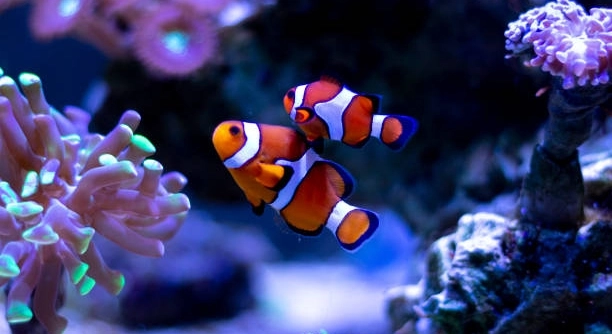
Are your clownfish acting up after the lights go out, leaving you confused and concerned about their sudden nighttime behavior? Clownfish fighting at night is usually caused by territorial disputes, changes in tank conditions, or stress from overcrowding. These aggressive interactions often stem from establishing dominance, especially in smaller tanks or when new fish are … Read more
7 Differences Between Wild and Captive Clownfish

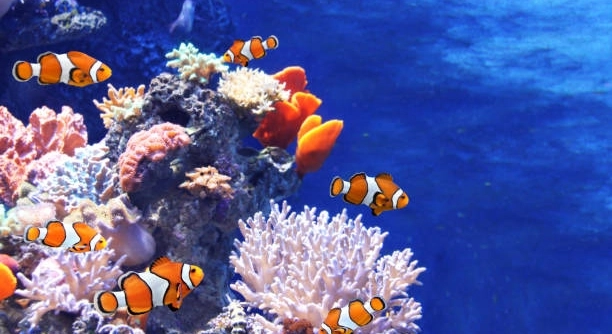
Are your clownfish behaving differently than expected, or not showing the same colors you’ve seen in documentaries or aquariums? Wild and captive clownfish differ in behavior, diet, coloration, health, reproduction, and social dynamics due to environmental conditions and human intervention. These differences shape how they live, interact, and thrive in their respective settings. Understanding these … Read more

7 Behavior Shifts to Watch After Water Changes

Water changes are a routine part of maintaining a healthy aquarium. These adjustments can cause noticeable differences in how fish and other aquatic creatures behave. Observing these shifts helps keep your tank environment balanced and safe. After water changes, fish often display seven key behavior shifts, including increased activity, hiding, altered feeding patterns, and changes … Read more

Why Did My Clownfish Start Acting Timid?

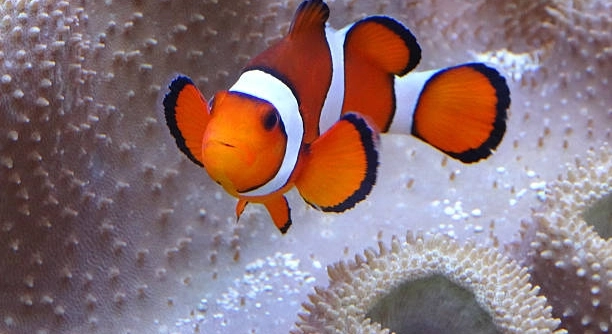
Have you ever noticed your clownfish hiding more often, staying close to the bottom, or avoiding other fish in the tank? Clownfish often become timid due to environmental stress, such as poor water quality, sudden changes in tank conditions, or the presence of aggressive tank mates. These factors can cause behavioral shifts and decreased activity. … Read more

Why Is My Clownfish Not Hosting the Anemone?

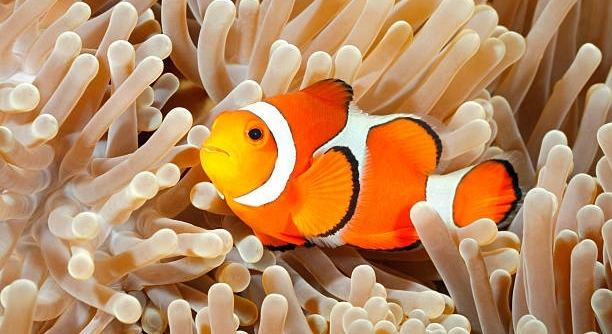
Clownfish and anemones share a unique relationship in home aquariums that many fishkeepers admire. Sometimes, clownfish do not settle in anemones as expected, which can be puzzling. Understanding this behavior helps improve aquarium care and fish well-being. The primary reasons clownfish may not host an anemone include improper acclimation, unsuitable anemone species, environmental stress, or … Read more

7 Unexpected Clownfish Reactions to Stress

Clownfish are popular aquarium fish known for their bright colors and interesting behaviors. Like many animals, they experience stress, which can affect how they act and interact with their environment. Understanding their reactions can help keep them healthy and comfortable. Clownfish respond to stress in several unexpected ways, including changes in swimming patterns, color shifts, … Read more

Why Are My Clownfish Acting Hyper at Night?

Many clownfish owners notice their fish becoming more active at night. This unusual behavior can seem surprising since clownfish are often calmer during dark hours. Understanding why this happens can help improve their care and environment. Clownfish act hyper at night mainly due to changes in lighting and natural instincts. Reduced light can stimulate their … Read more

What’s Normal Clownfish Activity During the Day?

Are your clownfish moving around nonstop, hiding in coral, or hovering near anemones all day? These behaviors can seem puzzling if you’re new to saltwater aquariums or just starting to observe them more closely. Clownfish are diurnal, meaning they are most active during the day. Normal activity includes swimming near their host anemone, defending territory, … Read more

How to Introduce Clownfish to an Established Tank

Introducing clownfish to an established tank requires care and patience to ensure a smooth transition. Proper steps help reduce stress for both the new clownfish and the existing tank inhabitants. This process supports a balanced and healthy aquarium environment. The best approach to introducing clownfish is to acclimate them slowly, monitor tank conditions closely, and … Read more

Do Clownfish Like Currents or Still Water?

Have you ever watched your clownfish swim and wondered if they prefer gentle stillness or a bit of water movement in their tank? Understanding their comfort needs can help you create a healthier environment for them. Clownfish prefer moderate water currents over still water. In the wild, they inhabit reef areas with consistent water movement, … Read more