Can Clownfish Bond Without an Anemone?

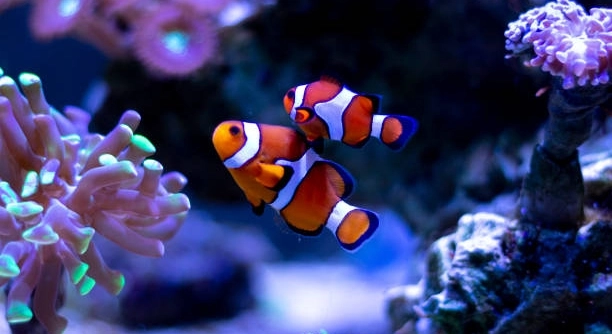
Clownfish are known for their close relationship with sea anemones. Many people wonder if clownfish can form bonds without the presence of an anemone nearby. This connection is important for their safety and social behavior. Clownfish can bond without an anemone, but these bonds tend to be less stable and less protective. Anemones provide shelter … Read more

7 Signs Your Clownfish Pair Isn’t Compatible

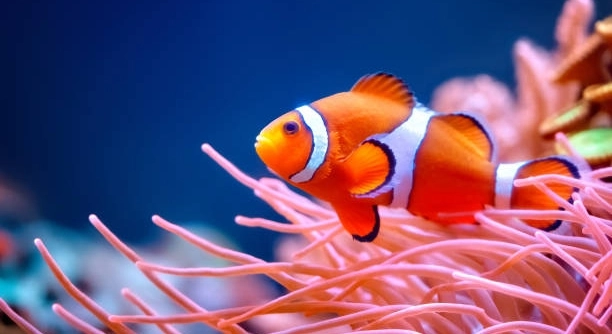
Are your clownfish constantly chasing each other, refusing to share their space, or showing signs of constant stress in the tank? Incompatibility in clownfish pairs often shows through persistent aggression, territorial disputes, and an overall lack of bonding behavior. These signs indicate the fish are unlikely to form a stable pair and may require separation. … Read more

Why Is My Clownfish Digging Up the Gravel?

Have you ever noticed your clownfish acting strange, moving gravel around its tank, and wondered what’s going on beneath the surface? Clownfish dig up gravel primarily to create a safe nesting area or to establish territory. This behavior is natural and often influenced by breeding instincts, environmental stressors, or changes in the tank setup and … Read more

How to Tell If Your Clownfish Is Lonely

Clownfish are popular aquarium pets, known for their bright colors and lively behavior. Many owners wonder about their fish’s emotional well-being, especially if they live alone in a tank. Understanding their social needs is important for their health and happiness. Clownfish are social animals that often show signs of loneliness when kept in isolation. Indicators … Read more

How Long Can Clownfish Go Without Eating?

Clownfish are popular marine pets, known for their bright colors and unique behavior. Many people keep them in home aquariums and want to understand their care needs. One common concern is how long these fish can survive without food. Clownfish can typically go without eating for about one to two weeks, depending on their health … Read more

How Long Do Clownfish Need to Settle In?

Clownfish are popular pets for many aquarium lovers. They bring bright colors and lively movement to tanks. However, setting them into a new environment takes some time and patience. Clownfish generally need about two to four weeks to fully settle into a new tank. During this period, they adjust to water conditions, establish territory, and … Read more

Can Clownfish Defend an Entire Tank?

Clownfish are popular in home aquariums for their bright colors and interesting behaviors. Many aquarium enthusiasts notice how these fish interact with their environment and other tank inhabitants. Their behavior sometimes gives the impression they protect their territory. Clownfish can defend their immediate territory within the tank, especially near their host anemone, but they are … Read more

Why Are My Clownfish Digging Holes in the Sand?

Clownfish are known for their bright colors and playful behavior in home aquariums. Many owners notice these fish digging in the sand, which can seem puzzling or even concerning at first. This activity is quite common among clownfish and has several reasons behind it. Clownfish dig holes in the sand primarily for nesting and territorial … Read more

Do Clownfish Need an Anemone to Survive?

Clownfish are well known for their close relationship with sea anemones in the ocean. Many people think clownfish always live inside anemones. These colorful fish have a unique bond with these stinging sea creatures. Clownfish do not strictly need an anemone to survive, but anemones offer important protection and shelter. Without an anemone, clownfish are … Read more

Can Clownfish Be Territorial Without a Host?

Do you ever find yourself wondering if clownfish can still be territorial even when they don’t have a host anemone nearby? Clownfish can exhibit territorial behavior even without a host anemone. In the absence of a host, they may claim and defend areas like rocks, coral, or artificial structures within their environment, especially in confined … Read more