Can Clownfish Prefer One Light Intensity Over Another?
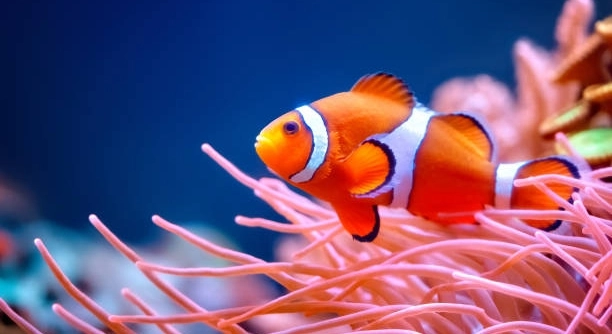
Clownfish are popular aquarium fish known for their bright colors and lively behavior. Their environment plays a big role in their well-being, especially lighting. Different light intensities can affect their activity and health in subtle ways. Research indicates that clownfish do show preferences for specific light intensities. They tend to favor moderate lighting conditions that … Read more
Why Is My Clownfish Ignoring Its Anemone?

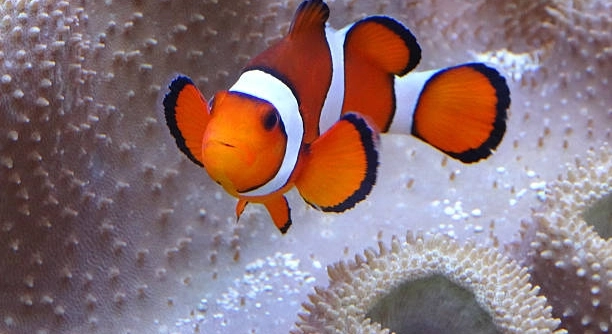
Clownfish and anemones share a well-known symbiotic relationship in marine aquariums and nature. Observing your clownfish ignoring its anemone can be surprising and concerning for many hobbyists. This behavior can have several underlying causes worth understanding. The primary reason a clownfish ignores its anemone is stress or discomfort caused by changes in water conditions, tank … Read more

How Long Do Clownfish Live? (Lifespan Guide)

Clownfish are popular marine fish known for their bright colors and symbiotic relationship with sea anemones. Many people enjoy keeping clownfish in home aquariums or learning about their natural behavior in the wild. Understanding how long clownfish live can help both hobbyists and nature enthusiasts care for them properly. Clownfish typically live between 6 to … Read more

Can Clownfish Adjust to Daily Light Changes?

Clownfish live in vibrant coral reefs where light changes naturally throughout the day. These fish are often kept in aquariums where lighting conditions may differ from their natural habitat. Understanding how clownfish respond to daily light shifts is important for their care. Clownfish can adjust to daily light changes through their natural circadian rhythms and … Read more

7 Breeding Behaviors to Watch for in Clownfish

Clownfish are fascinating marine creatures known for their vibrant colors and unique behaviors. Watching their breeding habits can give important clues about their health and environment. Many fish keepers enjoy learning more about these subtle signs in their tanks. Clownfish exhibit distinct breeding behaviors such as territory defense, cleaning nesting sites, and synchronized swimming. These … Read more

Can Clownfish Tell When You’re Watching Them?

Clownfish are popular aquarium fish known for their bright colors and unique behaviors. Many people enjoy watching them swim among sea anemones. Their interactions with their environment often seem quite interesting and sometimes mysterious. Clownfish can detect when they are being watched through changes in their behavior and attention. Studies show they respond differently to … Read more

How Do Clownfish Decide Who Becomes Female?

Clownfish live in groups with a clear social order. Within these groups, only one fish becomes female while the others remain male. This unique system helps maintain harmony and balance among them. Clownfish decide which individual becomes female through size and dominance. The largest fish in the group changes sex from male to female when … Read more

7 Reasons Clownfish Stay at the Top of the Tank

Clownfish are popular aquarium pets known for their bright colors and lively behavior. Many owners notice these fish often stay near the top of the tank. Understanding why they prefer this area can help improve their care and tank setup. Clownfish tend to stay at the top of the tank due to factors such as … Read more

7 Unexpected Items That Make Clownfish Curious

Clownfish are known for their bright colors and lively behavior in home aquariums. These small fish often show interest in many things around them, sometimes surprising their owners. Understanding what catches their attention helps improve their environment. Clownfish display curiosity toward various unexpected items such as shiny objects, artificial plants, bubbles, reflections, small toys, floating … Read more

Why Did My Clownfish Reject a New Anemone?

Clownfish and anemones share a unique relationship in home aquariums. Sometimes, a clownfish may reject a newly introduced anemone, causing concern for aquarium owners. Understanding why this happens helps maintain a healthy environment for both species. Clownfish reject new anemones mainly due to unfamiliarity, stress, or unsuitable anemone species. The fish may need time to … Read more