7 Clownfish Reactions to Sudden Noise

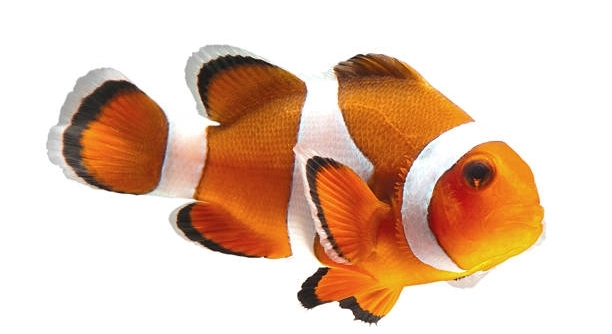
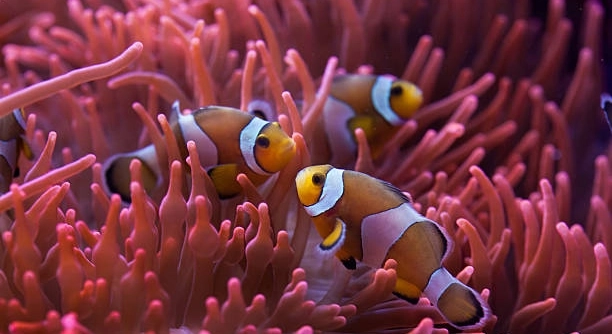
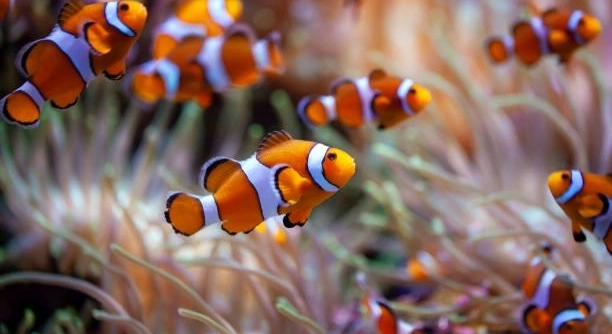
Clownfish are known for their bright colors and lively behavior in home aquariums. They often react noticeably when sudden noises occur nearby. These reactions can reveal interesting aspects of their nature and environment. Clownfish typically respond to sudden noise with quick, alert movements such as darting away or freezing momentarily. These behaviors are instinctive reactions … Read more
7 Reasons Your Clownfish Is Hiding (+Fixes)

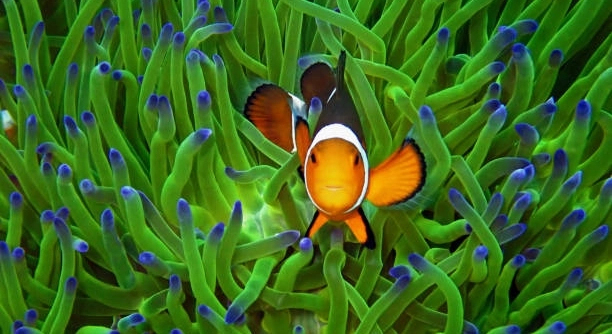
Is your clownfish spending more time hiding than swimming around your tank? This behavior can be worrying for any fish keeper, especially when you want your colorful pet to feel safe and active. Understanding why they hide is important for their well-being. Clownfish hide due to stress, poor water conditions, illness, or territorial disputes. Environmental … Read more

Do Clownfish Guard Their Territory at Night?

Clownfish are popular for their bright colors and close relationship with sea anemones. Many people find their behaviors interesting, especially how they interact with their environment. These small fish have unique habits that attract attention day and night. Clownfish do guard their territory at night by staying close to their host anemones and remaining alert … Read more

Can Clownfish Feel Lonely in Community Tanks?

Clownfish are popular pets in community tanks because of their bright colors and lively behavior. Many aquarists enjoy watching them interact with other fish and corals. Understanding how clownfish feel in these environments helps improve their care. Clownfish do have social behaviors but likely do not experience loneliness as humans do. In community tanks, they … Read more

Can You Raise Clownfish Without Saltwater?

Raising clownfish is a popular interest among aquarium enthusiasts who enjoy colorful marine life. Many wonder about the best environment for these fish to thrive. Understanding their habitat needs is important before starting a home aquarium. Clownfish require saltwater to survive because their biology depends on the specific chemical balance of marine environments. Freshwater or … Read more

Can You Keep Two Clownfish Together? (Guide)

Keeping clownfish in the same tank is a popular topic among aquarium enthusiasts. Many fishkeepers wonder if these colorful fish can live peacefully together. Their social behavior and tank environment play important roles in their compatibility. Two clownfish can be kept together under certain conditions, such as providing ample space, a well-established tank, and monitoring … Read more

7 Subtle Clownfish Body Movements Explained

Clownfish are known for their bright colors and lively behavior. They communicate with each other through many small body movements. These subtle gestures often go unnoticed but carry important meanings. Clownfish use various body movements such as fin flicks, head shakes, and tail beats to express emotions, establish territory, and maintain social hierarchy. Understanding these … Read more

7 Unusual Tankmates Clownfish Might Tolerate

Clownfish are popular in home aquariums for their bright colors and interesting behavior. Many fishkeepers want to know which tankmates can live peacefully with clownfish. Finding compatible species helps create a balanced and stress-free environment. Clownfish may tolerate certain unusual tankmates that are generally non-aggressive and occupy different niches in the aquarium. These can include … Read more

Do Clownfish Always Swim in Pairs?

Clownfish are popular colorful fish often seen in home aquariums and nature documentaries. They live in warm ocean waters and are known for their bright orange and white stripes. Many people recognize them from movies and marine life shows. Clownfish do not always swim in pairs. While pairs are common due to their social and … Read more

Why Did My Clownfish Change Its Sleep Spot?

Do you ever find yourself staring at your clownfish, only to notice it sleeping in a completely different spot than usual? Changes like this can feel confusing, especially when everything else in the tank looks the same. The most common reason clownfish change their sleeping spot is due to shifts in comfort, safety, or environmental … Read more