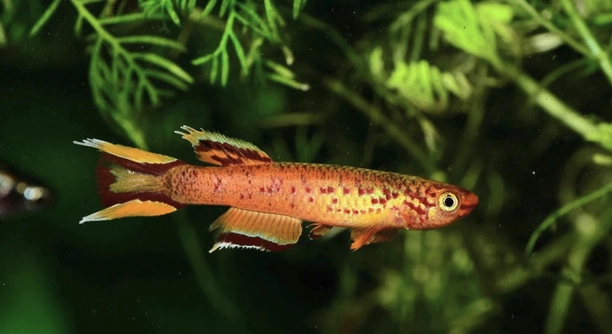
7 Signs of Poor Killi Fish Water Quality
Are your killi fish showing signs of stress or acting differently in their tank, leaving you unsure of what might be wrong? Poor water quality in a killi fish tank can result in sluggish behavior, faded coloration, fin clamping, gasping at the surface, and erratic swimming. These signs often indicate imbalances in ammonia, nitrite, pH, … Read more

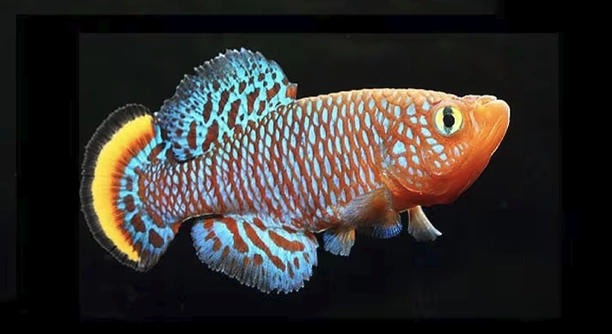
Why Is My Killi Fish Headbutting Glass?

Many people enjoy keeping killi fish because of their bright colors and lively behavior. Sometimes, these fish may start headbutting the glass of their tank. This unusual action can leave owners puzzled and wanting to understand what’s happening. Killi fish headbutt glass mainly due to stress, territorial behavior, or environmental discomfort. These actions often signal … Read more

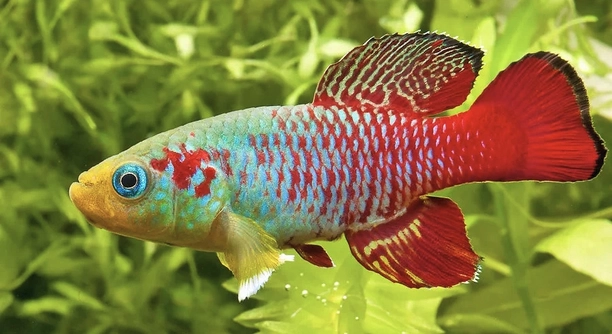
How Do You Know Killi Fish Are Fighting?

Killi fish are popular in home aquariums for their bright colors and lively behavior. Many fish owners observe them closely to understand their interactions. Knowing when killi fish are fighting can help maintain a peaceful tank environment. Killi fish fighting is usually indicated by aggressive chasing, flared fins, and biting. These behaviors show dominance struggles … Read more

7 Benefits of Adding Moss to Killi Tanks

Adding moss to killi tanks has become a popular choice for many aquarium enthusiasts. It offers natural beauty while serving important functions in the tank environment. Moss can contribute to a healthier and more balanced habitat for killifish. Moss provides multiple benefits including improved water quality, natural shelter, enhanced breeding conditions, and added surface area … Read more

Do Killi Fish Need Air Stones?

Killi fish are popular for their bright colors and peaceful nature, often kept in small home aquariums. Many owners wonder if adding air stones is necessary for their care. Understanding their needs helps maintain a healthy environment for these delicate fish. Killi fish do not strictly require air stones, as they can breathe atmospheric air … Read more

What’s the Ideal GH for Killi Fish?

Have you ever kept killifish but struggled to maintain the right water conditions for their health and vibrant colors? The ideal general hardness (GH) for most killifish species ranges between 4 to 8 dGH. This moderate mineral level supports their biological functions, including osmoregulation, while also creating an environment that closely resembles their natural habitats. … Read more

7 Enrichment Ideas for a Bored Clownfish

Clownfish are popular aquarium fish known for their bright colors and playful behavior. Sometimes, they can become bored if their environment lacks stimulation. Providing enrichment helps keep them active and healthy in captivity. Enrichment for clownfish involves creating an engaging environment with varied decorations, hiding spots, and interactive elements. These methods encourage natural behaviors and … Read more

Why Are My Clownfish Swimming in Opposite Directions?

Are your clownfish swimming in opposite directions in their tank? This behavior can seem strange, especially if you expect them to move together. Observing their movements closely can reveal important clues about their environment. Clownfish swimming in opposite directions usually indicate social dynamics, territorial behavior, or environmental stressors. These factors cause the fish to establish … Read more

Do Clownfish React to Tank Reflections?

Clownfish are popular in home aquariums for their bright colors and interesting behavior. Many tank owners notice their clownfish reacting to reflections in the glass. These reactions can seem curious and sometimes confusing. Clownfish do react to tank reflections, often interpreting them as other fish or intruders. This behavior can lead to displays of aggression … Read more

7 Tank Adjustments That Reduce Clownfish Conflict

Clownfish are popular in home aquariums but sometimes show signs of aggression or stress. These behaviors can disrupt the peaceful balance many aquarists hope to maintain in their tanks. Managing the environment carefully helps reduce conflicts between clownfish. Seven specific tank adjustments can effectively lower aggression and promote harmony among clownfish. These changes include modifying … Read more