Do Rasbora Form Social Bonds Over Time?
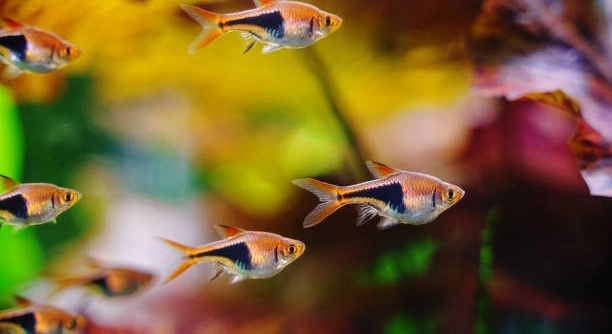
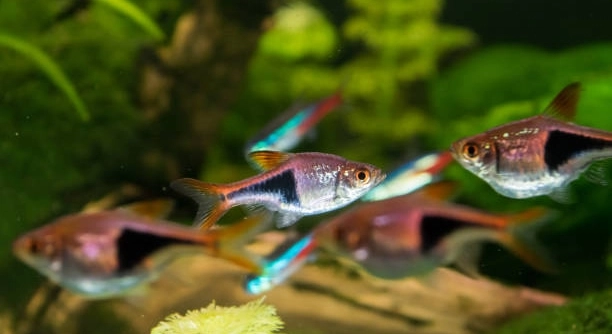
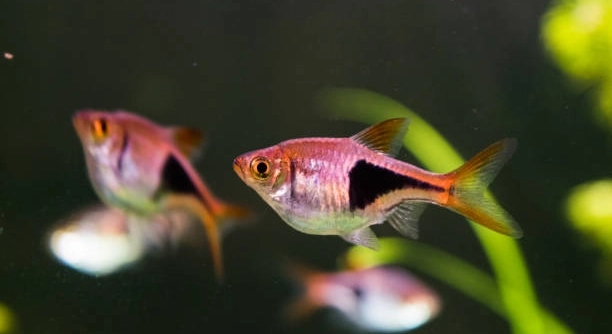
Rasboras are small, colorful fish often kept in home aquariums. Many fishkeepers enjoy watching their behavior and interactions. Understanding whether rasboras form social bonds over time can help improve their care and environment. Research shows that rasboras do exhibit social behaviors and develop bonds within their groups. Over time, they recognize familiar tank mates and … Read more

What Rasbora Do Right Before Resting

Rasboras are small, active fish that bring life to any aquarium. Observing their behavior can reveal subtle routines and patterns that indicate when they are preparing to rest. Understanding these signs helps ensure their comfort and well-being. Before resting, rasboras typically slow their movements and gather in quiet, sheltered areas of the tank. They may … Read more

Are Rasbora Nocturnal? (What to Know)

Have you ever watched your rasboras swimming after dark and wondered if their nighttime behavior means they’re more active at night? Rasboras are not nocturnal fish. They are diurnal, meaning they are most active during the daytime and prefer to rest at night. Providing a consistent day-night light cycle helps support their natural activity patterns … Read more

7 Ways Rasbora Test New Water Chemistry

Rasboras are small, active fish that react quickly to changes in their environment. Their behavior and health can show subtle shifts when water chemistry changes. Understanding how they respond helps in maintaining a stable aquarium. Rasboras test new water chemistry through behavioral changes, color shifts, swimming patterns, and stress indicators. These responses provide clear signs … Read more

7 Things That Brighten Rasbora Colors

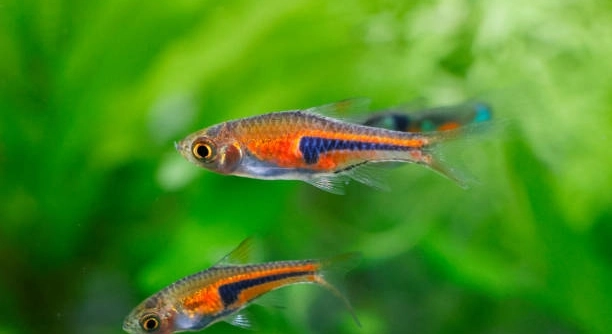
Rasboras are small, colorful fish that many people enjoy keeping in their aquariums. Their vibrant hues add life and charm to any tank. Maintaining and enhancing these colors can make your aquarium look even more beautiful and healthy. Brightening rasbora colors depends on several factors such as proper diet, clean water, appropriate lighting, stable temperature, … Read more

What Rasbora Might Do When Startled

Do you enjoy watching your aquarium but notice how quickly small fish like rasboras react to movement? Their sudden darting and flickering can be surprising, yet these behaviors reveal much about their instincts and daily life. When startled, rasboras typically swim rapidly in erratic patterns or seek shelter among plants and decorations. This response is … Read more

7 Times Rasbora Might School With Other Species

Have you ever watched your Rasboras swim and noticed them schooling alongside other types of fish in your community tank? Rasboras may school with other species when they share similar size, coloration, and temperament. This behavior often occurs in peaceful community tanks where compatible species form mixed schools for safety, comfort, and social interaction. Understanding … Read more

Why Rasbora Hover Over the Heater

Many aquarists notice their rasboras hovering near the heater in their tanks. This behavior often draws attention because it seems unusual and makes people wonder about the fish’s needs and comfort. Understanding this can improve tank care. Rasboras hover over the heater because they seek warmer water temperatures to regulate their body heat and maintain … Read more

Can Rasbora Predict Feeding Time?

Have you ever noticed your rasboras swimming excitedly just before mealtime and wondered if they somehow know when food is coming? Rasboras can learn to associate regular feeding schedules with environmental cues like light, movement, or your presence. This learned behavior makes it seem as though they “predict” feeding time, but it’s actually a form … Read more

7 Times Rasbora Behavior Changes in Groups

Groups of rasboras display a variety of behaviors that change depending on their social environment. These small fish often behave differently when they are alone versus when they are in groups. Understanding these changes can help improve their care and well-being in aquariums. Rasbora behavior changes significantly in groups, showing altered swimming patterns, social interactions, … Read more