How Rasbora Investigate New Tankmates

Rasboras are small, social fish known for their peaceful nature and active behavior in community tanks. When introducing new tankmates, they use subtle behaviors to assess compatibility. These fish rely on visual cues and gentle interactions to explore unfamiliar companions. Rasboras investigate new tankmates by observing their movements and behaviors cautiously. They maintain a safe … Read more
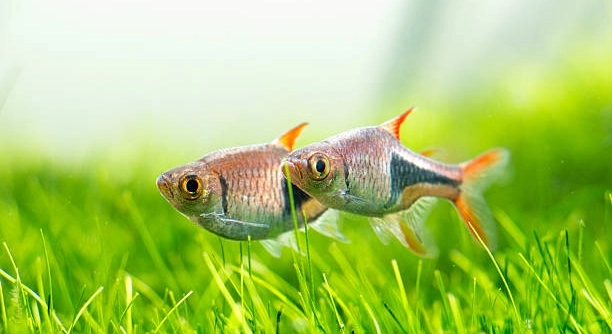
7 Quick Fixes for Rasbora Restlessness

Are your rasboras swimming anxiously, darting around the tank without settling? Restlessness in these fish can be a common issue that many aquarium enthusiasts encounter. It often signals an imbalance in their environment or care routine. Rasbora restlessness usually results from factors such as poor water quality, insufficient space, lack of hiding spots, improper diet, … Read more

How to Spot When Rasbora Are Investigating

Rasboras are small, active fish that often display curious behavior in their tanks. Observing their actions can reveal when they are exploring their surroundings or responding to changes. Learning to spot these signs helps aquarists better understand their fish. Rasboras investigating their environment typically exhibit focused swimming patterns, approaching objects or tank areas with slow, … Read more

7 Body Language Changes in Rasbora

Have you ever watched your rasboras swim and noticed something just seemed a little different about the way they move? Rasboras can show noticeable body language changes due to stress, illness, water conditions, or social dynamics. These changes often appear as altered swimming patterns, fin clamping, color fading, or hiding behaviors. Observing these signs is … Read more

7 Gentle Ways to Improve Rasbora Behavior

Are your rasboras showing signs of stress or unusual behavior in the aquarium? Many fish owners notice small changes that can affect their fish’s health and activity. Understanding gentle ways to improve their behavior is important for a peaceful tank. Improving rasbora behavior involves creating a calm environment, maintaining water quality, offering proper nutrition, and … Read more

7 Tricks for Feeding Picky Rasbora

Feeding picky Rasboras can be a challenge for many aquarium enthusiasts. These small fish often refuse certain foods, making it difficult to maintain their nutrition and health. Finding effective methods to encourage them to eat is important for their wellbeing. The best approach to feeding picky Rasboras involves offering a variety of foods in small … Read more

Why Rasbora May Swim Along the Substrate

Do you ever find yourself watching your rasbora swim close to the bottom of the tank and wonder if something might be wrong? Rasboras may swim along the substrate due to stress, poor water quality, illness, or changes in their environment. These bottom-dwelling behaviors are often signs that something is affecting their usual swimming patterns … Read more

Why Rasbora Respond to Your Hand

Many aquarium enthusiasts notice that their rasboras respond when they place their hand near the tank. These small, colorful fish often swim closer or follow movements outside their environment. Understanding why they react can deepen your connection with them. Rasboras respond to your hand primarily due to conditioned behavior linked to feeding times and their … Read more

7 Reasons Rasbora May Swim Against the Glass

Rasboras are small, colorful fish often kept in home aquariums. Many fish owners notice their rasboras swimming against the glass and wonder why this happens. This behavior can be puzzling but is quite common among these lively fish. Rasboras swim against the glass for several reasons, including stress, poor water quality, reflection confusion, territorial behavior, … Read more

Do Rasbora Like Calm or Moving Water More?

Rasboras are small, colorful fish popular in many home aquariums. They are peaceful and easy to care for, making them a favorite among fishkeepers. Understanding their water preferences can help keep them healthy and comfortable. Rasboras generally prefer calm or gently flowing water over strong currents. Their natural habitats usually have slow-moving streams or still … Read more