Do Rasbora Appreciate Music?

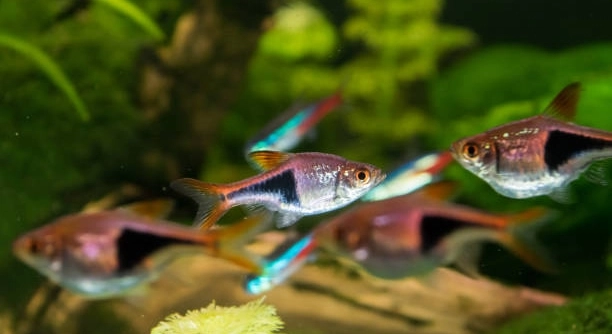
Have you ever watched your Rasboras swim around peacefully and wondered if they respond to the music playing nearby? Current studies show that Rasboras do not have a direct emotional response to music, but they can be affected by sound vibrations. Low-frequency, soft background music may influence their behavior, such as swimming patterns and stress … Read more
7 Patterns to Watch in Rasbora Schooling

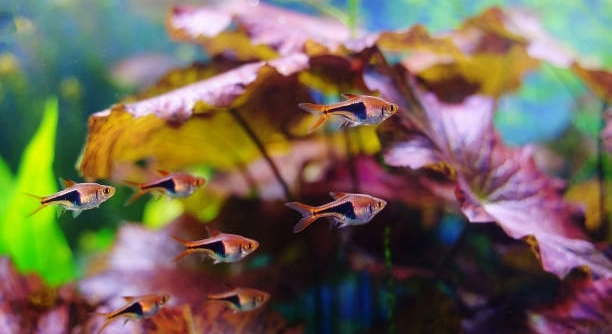
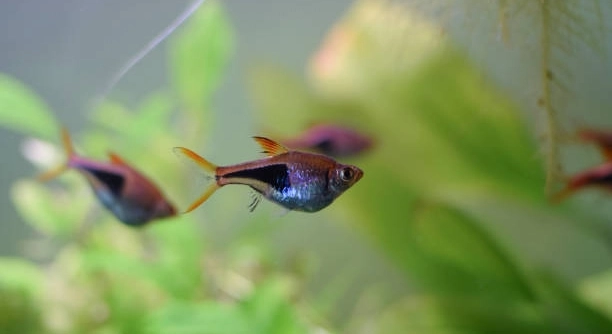
Rasboras are small, colorful fish often kept in groups called schools. Watching their movement can be calming and interesting for hobbyists. These schooling patterns reveal important behaviors and help in understanding their needs in aquariums. Seven key patterns characterize Rasbora schooling: alignment, cohesion, polarization, milling, splitting, following, and dispersing. Each pattern reflects different social or … Read more

Can Rasbora Spot Familiar Objects?

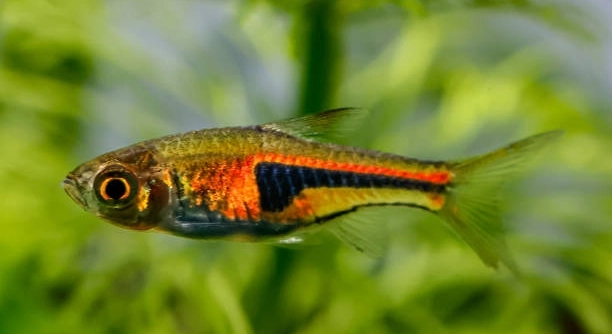
Rasboras are small, colorful fish popular in home aquariums. Their behavior often attracts attention, especially when owners notice them interacting with their surroundings. Understanding how these fish perceive objects can improve care and tank design. Research indicates that rasboras have limited visual memory but can recognize familiar objects to some extent. Their ability to distinguish … Read more

7 Hidden Stressors Rasbora Might Detect

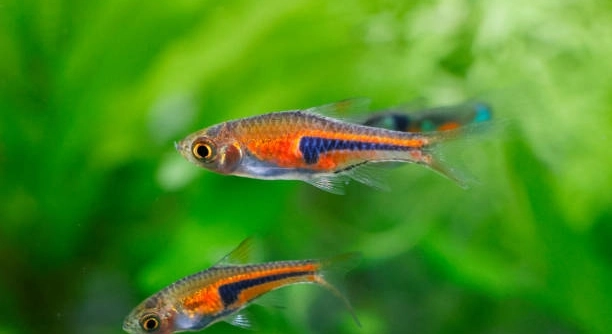
Rasboras are small, colorful fish often kept in home aquariums. They can be more sensitive to changes in their environment than many realize. This sensitivity can reveal hidden stressors affecting their well-being. Rasboras detect various hidden stressors including poor water quality, inadequate tank size, sudden temperature changes, improper diet, aggressive tank mates, lack of hiding … Read more

7 Things That Can Throw Rasbora Off Schedule

Rasboras are popular small fish that many people enjoy keeping in home aquariums. These fish thrive best when their environment and routine are steady and well-maintained. Understanding what can disrupt their schedule helps keep them healthy and active. Several factors can throw rasboras off schedule, including changes in water temperature, inconsistent feeding times, poor water … Read more

7 Myths About Rasbora (Busted)

Rasboras are popular freshwater fish known for their vibrant colors and peaceful nature. Many aquarium enthusiasts enjoy keeping them, but some common ideas about their care and behavior are misunderstood. This article aims to clarify these misconceptions. Several myths about rasboras persist, often causing confusion about their tank requirements, social behavior, and feeding needs. This … Read more

Why Rasbora Need a School to Thrive

Rasboras are small, peaceful fish often kept in home aquariums. They naturally live in groups and rely on being with others for comfort and safety. Keeping them alone can cause stress and affect their behavior. Rasboras need to be kept in schools because they are social fish that depend on group dynamics for survival. Schools … Read more

7 Signs Your Rasbora Needs a Bigger Tank

Many aquarium owners enjoy keeping Rasboras for their lively presence and delicate beauty. However, these small fish can sometimes outgrow their tanks without obvious signs at first. Knowing when to upgrade the tank is important for their well-being. Signs that a Rasbora needs a bigger tank include limited swimming space, increased aggression, rapid waste buildup, … Read more

7 Little Things Rasbora Might Fear

Rasboras are small, peaceful fish often kept in home aquariums. Knowing what can cause them stress is important to maintaining their health and comfort. This article highlights some common fears they might experience in their environment. Rasboras may fear sudden loud noises, strong water currents, aggressive tank mates, bright lights, lack of hiding places, poor … Read more

What Rasbora Might Be Doing When They Stay Still

Rasboras are small, peaceful fish often seen quietly hovering in aquariums. When they stay still, it might look like they are simply resting or avoiding activity. Their calm presence adds charm to any tank environment. Rasboras remain still primarily to conserve energy, assess their surroundings, and avoid potential threats. This behavior helps them maintain balance … Read more