7 Things That Stress Rasbora Out

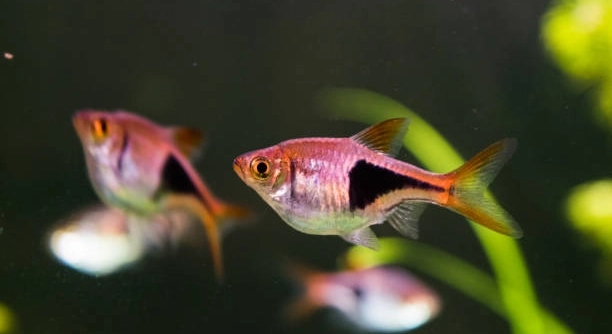
Rasboras are small, peaceful fish often kept in home aquariums. They enjoy stable environments where they can swim calmly without sudden changes. Understanding what stresses them helps keep them healthy and happy in captivity. Rasboras become stressed due to poor water quality, sudden temperature changes, overcrowding, improper diet, lack of hiding spots, loud noises, and … Read more
Why Rasbora Might Nip but Not Fight

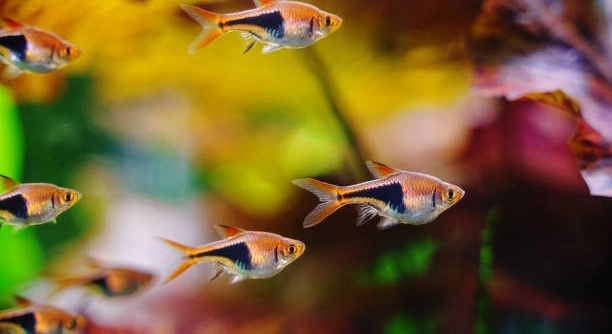
Rasboras are small, peaceful fish popular in many home aquariums. Their behavior often includes occasional nipping, which can confuse new fishkeepers. Understanding why rasboras nip but rarely engage in full fights helps maintain a balanced tank environment. Rasboras nip mainly as a form of social interaction or territorial behavior rather than aggression. This nipping is … Read more

Why Rasbora Need Space to Thrive

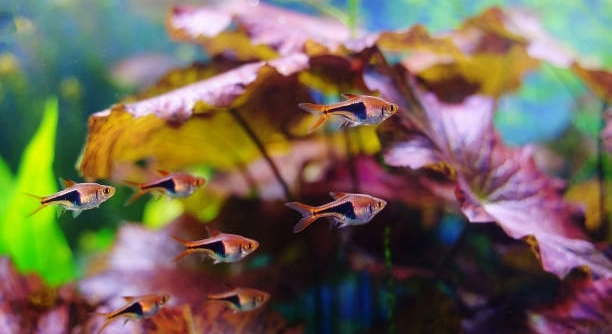
Rasboras are popular freshwater fish known for their vibrant colors and peaceful nature. Many fishkeepers enjoy watching their graceful movements in community tanks. However, providing the right environment is crucial for their well-being and growth. Rasboras require sufficient space to swim and establish territories, which reduces stress and promotes natural behaviors. Crowded conditions limit movement, … Read more

7 Ways Rasbora React to Light Reflections

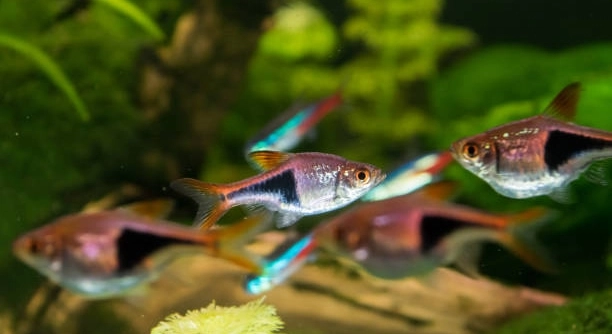
Light reflections in aquariums can influence how fish behave. Rasboras, small and active freshwater fish, often respond to changes in lighting and reflections around their environment. These reactions are subtle but important to understand for proper care. Rasboras react to light reflections in several ways including increased movement, schooling tighter, hiding, and sometimes displaying stress … Read more

Why Are My Rasbora So Skittish?

Are your rasbora darting around the tank or hiding more than usual, making it hard to enjoy their natural beauty and activity? Rasbora often become skittish due to environmental stressors such as poor water conditions, sudden movements, lack of tank mates, or insufficient plant cover. Their natural instinct to hide when sensing danger is heightened … Read more

7 Causes of Cloudy Eyes in Rasbora

Are your Rasbora’s eyes looking cloudy and unclear lately? This issue can signal several health concerns that affect your fish’s well-being. Identifying the causes early helps maintain a healthy aquarium environment and protects your fish from harm. Cloudy eyes in Rasbora commonly result from bacterial infections, poor water quality, physical injury, nutritional deficiencies, fungal infections, … Read more

Can Rasbora Develop a Daily Activity Pattern?

Have you ever watched your rasboras and wondered if there’s a certain rhythm to how they swim, rest, or explore each day? Rasboras can develop a daily activity pattern influenced by light, feeding times, and environmental consistency. Studies show that these small fish often display diurnal behavior, becoming more active during daylight hours and resting … Read more

7 Patterns Rasbora Repeat When Content

Do you ever find yourself watching your rasboras and wondering what their little movements really mean when they seem so calm and happy? Rasboras repeat certain behaviors when they feel safe and content, including tight schooling, rhythmic swimming patterns, gentle fin flicks, and hovering calmly in open water. These patterns reflect a stable environment and … Read more

Do Rasbora Ever Sleep Together?

Rasboras are small, peaceful fish that many people keep in home aquariums. These fish often swim together in groups, which makes them interesting to watch. Many fish enthusiasts wonder about their sleeping habits and social behavior. Rasboras do not sleep together in the same way mammals do, but they often rest close to each other … Read more

7 Strange Things Rasbora Might Nip At

Rasboras are small, lively fish often kept in home aquariums. They are generally peaceful but sometimes exhibit nipping behavior. Understanding what triggers this behavior helps maintain a calm and healthy tank environment. Rasboras might nip at plants, fins, or other tank decorations due to curiosity, territorial instincts, or competition for food. These actions are often … Read more