Why Rasbora Might Pause Behind Decorations
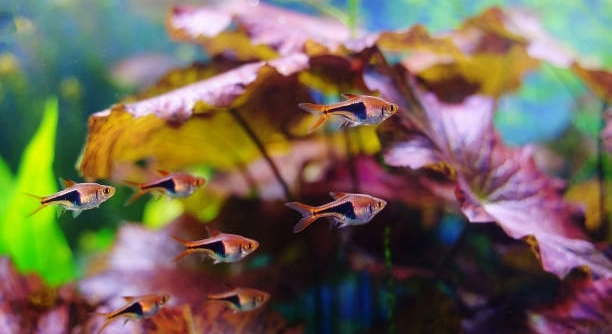
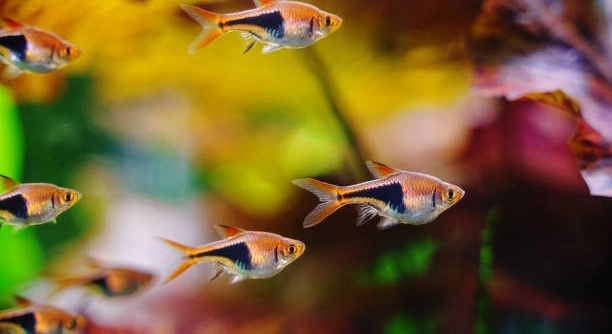
Many aquarium owners enjoy watching their rasboras swim gracefully among plants and decorations. Sometimes, these small fish pause behind decorations, which can seem puzzling or concerning. Understanding this behavior helps create a better environment for them. Rasboras often pause behind decorations to feel safe and reduce stress. These spots offer shelter from bright light and … Read more

7 Common Signs of Rasbora Distress

Rasboras are small, peaceful fish popular in many home aquariums. Keeping them healthy means knowing when something is wrong. Recognizing signs of distress early can prevent serious problems and improve their wellbeing. Common signs of rasbora distress include changes in swimming behavior, loss of appetite, faded colors, labored breathing, clamped fins, unusual hiding, and physical … Read more

7 Triggers for Rasbora Restlessness

Rasboras are popular freshwater fish known for their lively behavior and vibrant colors. However, they can sometimes exhibit restlessness, which may concern fish keepers. Understanding what triggers this behavior is important for maintaining a healthy aquarium environment. Restlessness in rasboras is often caused by factors such as poor water quality, inadequate tank size, improper diet, … Read more

7 Ways to Make a Rasbora Tank Interactive

Setting up a rasbora tank can be a calming and beautiful hobby. These small, active fish add charm to any freshwater aquarium. Creating an interactive environment helps both the fish and the owner enjoy the tank more fully. Making a rasbora tank interactive involves introducing elements that encourage natural behaviors and engagement. Providing plants, hiding … Read more

7 Ways to Encourage Rasbora Schooling

Do you ever find yourself admiring your rasboras but noticing they scatter instead of swimming gracefully together in a school? Their behavior may seem random, yet there are ways to encourage their natural instinct to move as one. Encouraging rasbora schooling involves creating an environment that promotes safety, comfort, and consistency. Factors such as tank … Read more

7 Common Rasbora Reactions to Human Movement

Many aquarists find Rasboras to be lively and engaging fish. These small freshwater fish often react noticeably to movements around their tanks. Understanding their typical responses helps create a calmer environment for both the fish and their owners. Rasboras commonly display seven distinct reactions to human movement: darting away quickly, freezing in place, swimming closer … Read more

7 Quiet Moments That Reveal Rasbora Behavior

Have you ever sat near your aquarium and noticed your rasboras acting strangely still or unusually calm, making you wonder what it means? These quiet moments are often key indicators of rasbora behavior, reflecting patterns such as rest, social dynamics, environmental adjustments, or even early signs of stress or illness. Observing these subtle pauses offers … Read more

7 Personality Types Seen in Rasbora Groups

Rasboras are small, colorful fish often kept in groups by aquarium lovers. These groups show interesting behavior patterns that make watching them quite enjoyable. Each fish seems to have its own way of interacting within the group. In rasbora groups, seven distinct personality types often emerge, ranging from leaders and explorers to shy followers. These … Read more

7 Signs Rasbora Are Ready to Spawn

Rasboras are small, colorful fish that many aquarium lovers enjoy keeping. Watching them thrive can be very rewarding, especially when they start showing signs of breeding behavior. Knowing when they are ready to spawn helps maintain a healthy tank environment. Rasboras exhibit several clear signs when they are prepared to spawn. These include changes in … Read more

7 Things Rasbora Notice That You Don’t

Rasboras are small, active fish that live in freshwater aquariums. They interact with their environment in ways many owners don’t notice. Observing these subtle behaviors can improve how we care for them daily. Rasboras detect changes in water quality, light, and movement that humans often overlook. These fish respond quickly to stress or discomfort, showing … Read more