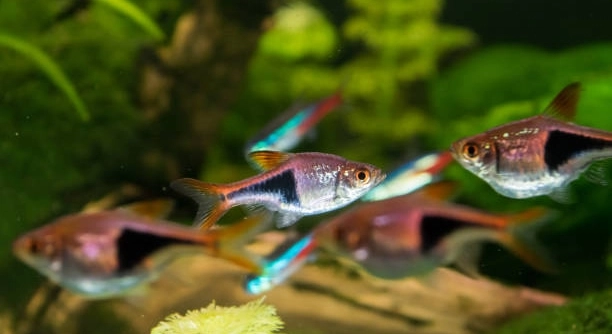
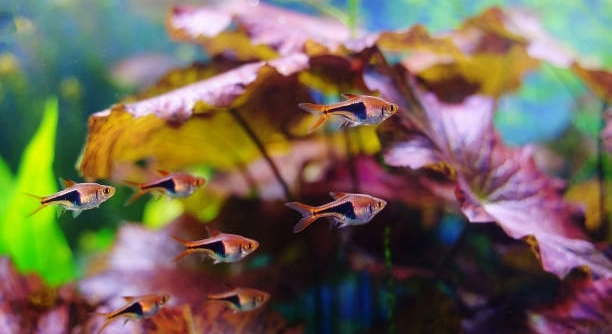
7 Clues Your Rasbora Prefer a Quieter Room
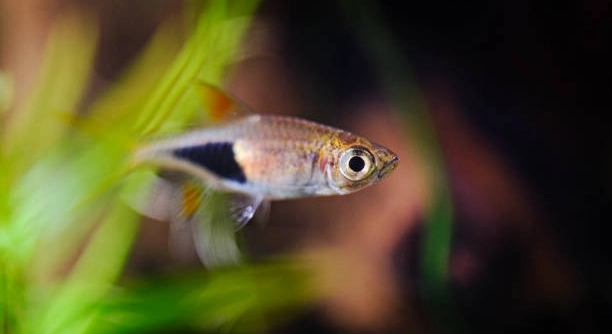
Many aquarium owners enjoy keeping rasboras for their vibrant colors and peaceful nature. These small fish can be sensitive to their environment, especially noise levels around their tank. Recognizing their comfort needs is important for their well-being. Rasboras tend to prefer quieter rooms because excessive noise can stress them and disrupt their normal behavior. Loud … Read more
7 Sudden Changes That Startle Rasbora

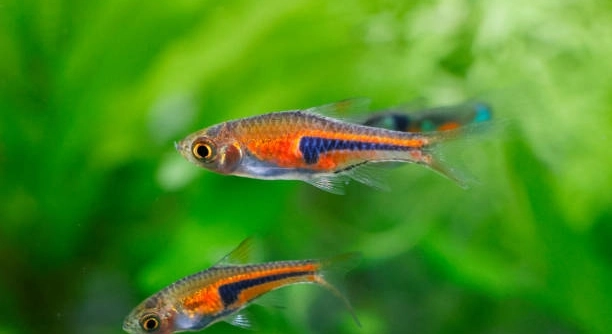
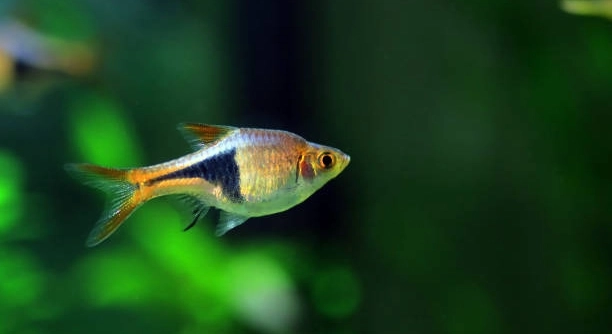
Rasboras are small, colorful fish often kept in home aquariums. They usually live peacefully but sometimes show sudden changes that can surprise their owners. These shifts can affect their behavior and health in unexpected ways. Sudden changes in rasboras typically include alterations in swimming patterns, appetite, coloration, and social interaction. These changes often indicate stress, … Read more

7 Curious Actions Rasbora Use to Test Water

Rasboras are small, lively fish often found in home aquariums. They interact with their environment in unique ways that help them stay safe and healthy. Observing their behavior reveals how they test water conditions carefully. Rasboras use several distinct actions to evaluate water quality, including flicking their fins, hovering near the surface, and making quick … Read more

Why Rasbora Might Prefer Open Space

Rasboras are small, active fish often kept in home aquariums. They seem to thrive best when given plenty of open space in their environment. Understanding why they prefer this can help improve their care and wellbeing. Rasboras prefer open space because it allows for better swimming freedom and reduces stress. Open environments mimic their natural … Read more

7 Little Adjustments That Reduce Rasbora Stress

Do your rasboras often appear skittish or hide frequently in their tank? Many hobbyists notice these small fish can become stressed without obvious reasons, affecting their health and overall behavior. Stress reduction is essential for their well-being. The most effective method to reduce rasbora stress involves small environmental and routine adjustments. These include optimizing tank … Read more

Do Rasbora Notice Human Movement?

Do you ever notice your Rasbora swimming quickly when you walk past the tank? These small fish are often alert, moving in ways that suggest they are aware of activity around them. Watching them can be surprisingly engaging. Rasbora are capable of detecting human movement through changes in light and vibrations in the water. Their … Read more

How to Tell If Rasbora Are Getting Along

Rasboras are popular small fish known for their peaceful nature and striking colors. Many aquarium owners enjoy keeping them in groups to create a lively and harmonious environment. Observing how well they interact can ensure their wellbeing. Rasboras getting along display calm swimming patterns, group cohesion, and minimal aggression. Signs of harmony include shared spaces … Read more

Why Are My Rasbora Always Hiding?

Rasboras are small, peaceful fish that often add color and movement to home aquariums. Sometimes, these lively fish may spend much of their time hiding instead of swimming openly. This behavior can puzzle many aquarium owners. Rasboras tend to hide due to stress, poor water conditions, lack of proper shelter, or sudden changes in their … Read more

Can Rasbora Form a “Leader” in Their School?

Many people enjoy watching rasboras swim in groups, noting their graceful movements and social behavior. These small fish often travel together in schools, creating a lively and dynamic environment in aquariums. Understanding their social structure can deepen appreciation for these aquatic creatures. Rasboras do not form a distinct “leader” within their schools. Instead, they exhibit … Read more

Do Rasbora Play in Filter Currents?

Many aquarium owners enjoy watching Rasboras swim gracefully in their tanks. These small, active fish add life and color, often moving around with ease. Understanding their behavior in different tank conditions can improve their care and environment. Rasboras do play in filter currents, as they are naturally curious and enjoy swimming through flowing water. This … Read more