Do Rasbora Like to Explore New Tank Layers?
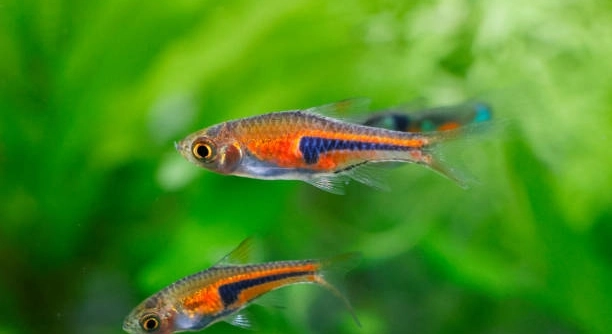
Have you ever watched your rasboras swim gracefully and wondered if they enjoy exploring different areas of their tank environment each day? These small, lively fish often display behaviors that hint at curiosity and movement across layers. Rasboras are naturally inclined to explore various tank layers due to their social and active nature. While they … Read more

7 Things That Make Rasbora Look Restless

Rasboras are small, lively fish often kept in home aquariums. Their quick movements can sometimes make them seem restless or uneasy. Understanding the reasons behind this behavior helps keep them comfortable and healthy. Several factors contribute to a rasbora’s restless appearance, including poor water quality, inadequate tank size, insufficient hiding spots, improper diet, sudden changes … Read more

Why Is My Rasbora Gasping at the Surface?

Is your rasbora often gasping at the water’s surface, leaving you concerned about its health? This behavior is common among aquarium fish and can signal various underlying conditions affecting their wellbeing. Understanding the reasons can help improve their environment. Rasboras gasp at the surface primarily due to low oxygen levels in the water. Poor water … Read more

What Causes Rasbora to Change Color?

Many aquarium lovers enjoy keeping rasboras for their lively colors and peaceful nature. Sometimes, these little fish change their color, which can be surprising. Understanding why this happens helps keep them healthy and happy in the tank. Rasboras change color mainly due to environmental factors such as water quality, lighting, temperature, stress, and diet. These … Read more

Can Rasbora Develop Territory Preferences?

Rasboras are small, peaceful freshwater fish popular in home aquariums. Many hobbyists notice their behavior and wonder if these fish develop preferences for certain areas in their tanks. Understanding their habits helps create better environments for them. Rasboras can develop territory preferences, especially when they feel secure or during breeding periods. They may choose specific … Read more

Do Rasbora Form Friendships?

Rasboras are small, colorful fish often kept in home aquariums. Their social behavior has interested many fish enthusiasts. Observing how these fish interact may reveal whether they form friendships or simply coexist in groups. Research indicates that rasboras do not form friendships in the human sense. Instead, they exhibit shoaling behavior, staying close for safety … Read more

Can Rasbora Feel Daylight Shifts?

Have you ever set up your aquarium and wondered if your Rasboras can sense changes in natural daylight throughout the year? Rasboras are sensitive to changes in light and photoperiod. They can detect shifts in daylight, which may affect their behavior, feeding patterns, and breeding cycles. Light cues help regulate their internal biological clock. Understanding … Read more

Can Rasbora Form Memories of Other Fish?

Rasboras are small, peaceful fish often kept in home aquariums. They swim in groups and interact with other fish species around them. Many fish owners wonder about the memory abilities of these tiny creatures. Research shows that rasboras can form memories of other fish. They recognize familiar individuals after repeated encounters, demonstrating social memory that … Read more

7 Situations That Make Rasbora Hesitate

Have you ever noticed your rasbora acting hesitant, pausing mid-swim or avoiding certain parts of the tank without warning? Rasboras hesitate in response to sudden changes in their environment, including lighting, water quality, tank mates, and unexpected movement. These small fish are sensitive by nature, and subtle disturbances can trigger cautious or withdrawn behavior. Understanding … Read more

7 Clues That Rasbora Are Becoming Territorial

Do you ever find yourself watching your rasboras closely, noticing little changes in their swimming patterns, colors, or interactions with one another in the tank? These tiny details can reveal more than they first appear. Rasboras can become territorial when certain environmental or social conditions trigger defensive behaviors. Territoriality in these fish often manifests through … Read more