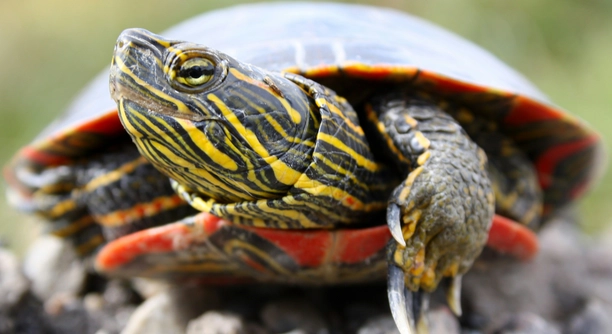
Can Painted Turtles Live with Minnows? (+Pros and Cons)
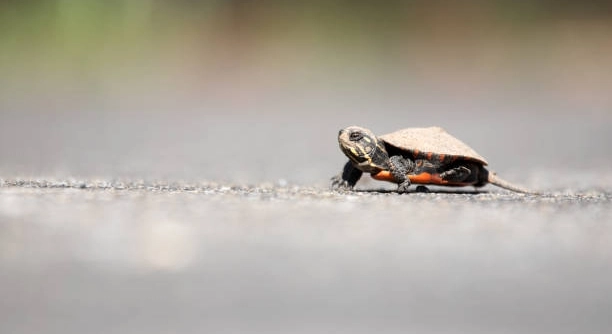
Turtles and minnows are both popular pets for aquatic enthusiasts, but keeping them together can raise some concerns. If you’ve ever wondered if they can coexist peacefully, you’ve come to the right place. Painted turtles and minnows can live together, but the arrangement requires careful planning. While both species are generally peaceful, the turtle’s hunting … Read more

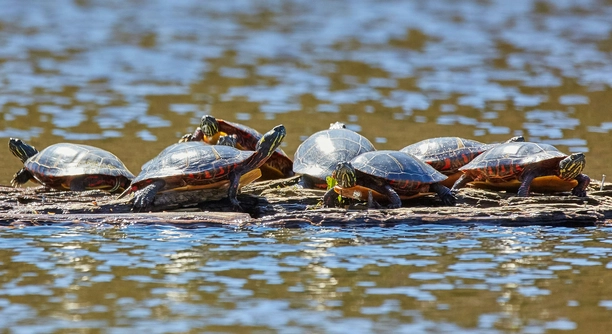
Painted Turtle Growth Stages: What to Expect

Painted turtles are fascinating creatures with unique growth stages. Understanding these stages is essential for anyone interested in their care or simply wanting to know more about them. This guide will take you through the key milestones. Painted turtles undergo several distinct growth stages, from hatchlings to adults. As they grow, they experience physical changes … Read more

7 Tips for Keeping Painted Turtle Hatchlings Healthy

Caring for painted turtle hatchlings requires attention to detail and the right environment to ensure they grow strong and healthy. With proper care, these little creatures can thrive and develop into resilient adults. To keep painted turtle hatchlings healthy, maintain a clean habitat with proper lighting, water quality, and temperature. Provide appropriate food and shelter, … Read more

Why Is My Painted Turtle Climbing the Tank Walls?

Painted turtles are active creatures, often displaying interesting behavior in their enclosures. One common sight is seeing them climb the walls of their tanks, which can leave turtle owners wondering what this behavior means. Turtles climb tank walls due to a combination of factors such as seeking a higher vantage point, attempting to bask, or … Read more

How to Reduce Noise Around a Painted Turtle Tank

Have you ever noticed that your painted turtle seems stressed or unsettled in its tank? The simplest way to reduce noise around a painted turtle tank is by placing it in a quiet, low-traffic area and minimizing vibrations. Soundproofing materials and careful tank placement can also help maintain a calm environment. Small changes in your … Read more

Can Painted Turtles Eat Duckweed? (+How to Grow It)

Do you keep painted turtles as pets and wonder if they can enjoy duckweed as part of their diet? Yes, painted turtles can eat duckweed, as it is a nutritious and natural addition to their diet. Duckweed provides essential vitamins and minerals, supporting their overall health when offered in moderation as part of a balanced … Read more

7 Signs Your Painted Turtle Tank Filter Isn’t Working

If you own a painted turtle, you know how important it is to keep their tank clean and healthy. A well-functioning filter is key to maintaining their environment. However, filters can sometimes stop working as expected. A malfunctioning tank filter may lead to cloudy water, poor water flow, or an increase in algae growth. These … Read more

How to Create a Painted Turtle Tank Checklist

Creating a proper tank for a painted turtle can be overwhelming at first. However, with the right tools and setup, it’s easier than you might think. A well-prepared tank is essential for your turtle’s health. To create a suitable painted turtle tank, start by gathering the necessary equipment. This includes a spacious tank, proper filtration … Read more

Can Painted Turtles Live Without Direct Sunlight?

Painted turtles are fascinating creatures, known for their colorful shells and calm nature. As a pet owner, you might wonder if these turtles can live without direct sunlight, especially during colder months or in indoor environments. Painted turtles require UVB light for proper health, and while they can survive in low light conditions for short … Read more

Painted Turtle Eye Care: What You Need to Know

Painted turtles are fascinating creatures, and their care involves many details. One key aspect of their well-being is maintaining healthy eyes. Knowing how to care for their eyes can help keep them comfortable and thriving. Maintaining your painted turtle’s eye health involves providing the proper lighting, diet, and habitat. Regularly cleaning their eyes and monitoring … Read more