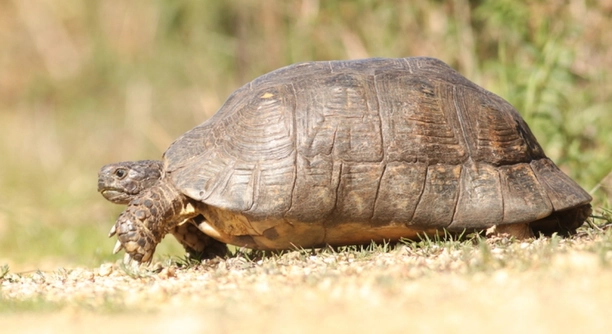
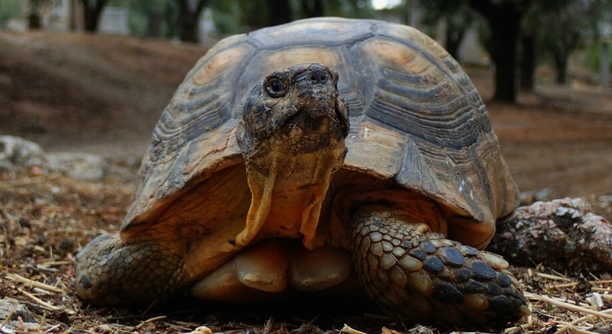
7 Essential Nutrients for a Healthy Marginated Tortoise Diet

Many pet owners want to provide the best care for their marginated tortoises, especially when it comes to their diet. Knowing which nutrients are essential can help ensure their health and well-being. A healthy diet for a marginated tortoise should include a variety of essential nutrients such as calcium, fiber, vitamins, and minerals. Proper nutrition … Read more

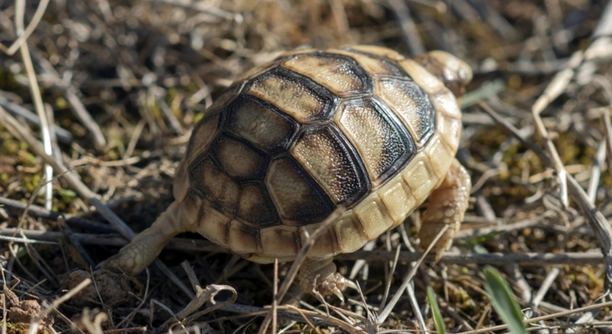
How to Spot Dehydration in a Marginated Tortoise (+7 Symptoms)

Dehydration is a common health issue for tortoises, especially for those in captivity like the Marginated Tortoise. Recognizing the early signs is key to providing them the care they need. This guide will help you spot dehydration and how to act. Dehydration in a Marginated Tortoise can be detected through various physical signs. Common symptoms … Read more

7 Mistakes That Can Shorten a Marginated Tortoise’s Lifespan

A Marginated Tortoise is a unique and wonderful pet that can live a long and happy life with the right care. However, certain mistakes can shorten their lifespan. It’s important to understand these risks to ensure they thrive. Mistakes like improper diet, lack of space, and incorrect temperature can significantly shorten the lifespan of a … Read more

Why Is My Marginated Tortoise Refusing to Dig?

A healthy Marginated Tortoise can be a joy to care for, but sometimes they may refuse to dig. This behavior might leave owners wondering what could be causing such a change in their natural habits. The refusal to dig could stem from a variety of factors such as environmental conditions, lack of appropriate substrate, or … Read more

7 Ways to Tell If a Marginated Tortoise Is Happy

A Marginated Tortoise is a unique pet, and understanding their happiness is crucial for their well-being. Observing their behavior can give us important clues to ensure they are living a happy life. The key indicators of a happy Marginated Tortoise include regular eating habits, a calm and active demeanor, and proper interaction with their environment. … Read more

Why Is My Marginated Tortoise Losing Scutes? (+7 Causes)

Are you noticing that your marginated tortoise is losing scutes? This can be concerning for any pet owner, as it might signal an underlying issue with their health or environment. The loss of scutes in marginated tortoises is often linked to improper humidity, poor diet, or stress. Factors like inadequate UVB lighting, inappropriate temperature, or … Read more

7 Signs That Your Marginated Tortoise Is Ready to Hibernate

As winter approaches, it’s essential to know when your marginated tortoise is ready to hibernate. Recognizing the signs can help you ensure that they’re healthy and comfortable throughout the colder months. The most common signs that a marginated tortoise is ready to hibernate include reduced activity, a decrease in appetite, and seeking out a dark, … Read more

How to Stop Your Marginated Tortoise From Biting (+7 Tips)

If you have a Marginated Tortoise, you may notice occasional biting behavior, which can be concerning. Understanding the reasons behind this behavior and learning how to address it can help ensure a healthy relationship with your pet. To stop your Marginated Tortoise from biting, focus on reducing stress, providing a proper diet, and ensuring adequate … Read more

7 Reasons Your Marginated Tortoise Might Be Hissing

If you’ve noticed your marginated tortoise hissing, it’s natural to wonder what’s causing this unusual behavior. Understanding the reasons behind it can help you better care for your pet and ensure its well-being. The primary cause of hissing in marginated tortoises is stress or discomfort. Environmental factors, such as temperature fluctuations or improper handling, can … Read more

Why Does My Marginated Tortoise Keep Trying to Escape?

Marginated tortoises are known for their curious nature, often exploring their surroundings. If your tortoise keeps attempting to escape, it could be a sign of unmet needs or environmental factors influencing its behavior. Tortoises, including marginated species, may attempt to escape due to factors like inadequate enclosure size, insufficient hiding spots, or environmental stress. They … Read more