7 Things That Affect Breeding Success

Breeding success can feel unpredictable even for experienced breeders. Many factors quietly influence whether the process goes smoothly or leads to complications. Understanding these elements can help create a healthier and more productive environment for animals. Several key factors affect breeding success, including genetics, nutrition, environment, health, age, stress levels, and proper timing. Each of … Read more
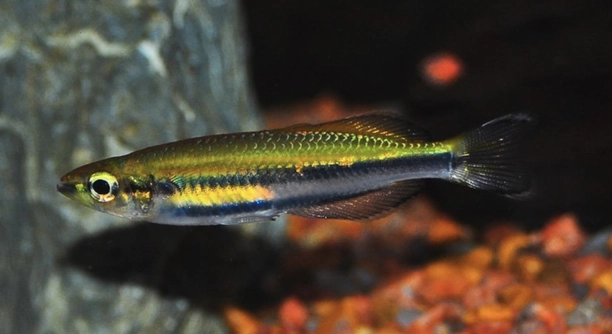
Do Rainbowfish Understand Tank Boundaries?

Do your rainbowfish seem to swim confidently around the tank, yet sometimes pause at the edges as if unsure? Many fish owners notice this behavior and wonder how much their pets understand the space they inhabit. Rainbowfish display a basic recognition of tank boundaries through visual and tactile cues. They adapt their swimming patterns to … Read more

7 Reasons Rainbowfish Swim in Circles

Do you ever notice your rainbowfish gliding in circles around the tank? Many aquarists find this behavior fascinating, yet puzzling. It is common in both home aquariums and natural habitats, often leaving fish owners curious about the reasons behind it. Rainbowfish swim in circles for a variety of reasons, including establishing territory, engaging in mating … Read more

7 Fish Body Language Signs to Know

Fish communicate constantly through posture, movement, and subtle signals that often go unnoticed by owners. Learning these behaviors helps create calmer aquariums, supports health, and builds a better connection between fish and their environments daily. Fish body language signs reveal stress, comfort, aggression, and social dynamics through fin position, swimming patterns, coloration changes, and spacing. … Read more

7 Reasons Your Rainbowfish Won’t Eat

Managing a community tank can feel tricky when one fish suddenly refuses food, especially a usually active rainbowfish that brightens your aquarium with color and energy, creating concern about what might be affecting its appetite. Rainbowfish often stop eating due to environmental stressors, unsuitable water parameters, or illness. Disruptions in temperature, pH, or tank compatibility … Read more

Are Rainbowfish Good for Planted Aquariums?

Rainbowfish are small, colorful freshwater fish that many aquarists enjoy keeping. Their shimmering scales and active swimming habits make them a lively addition to any tank, especially for those who appreciate a vibrant underwater environment. Rainbowfish can be suitable for planted aquariums as they generally do not uproot plants or cause significant damage. Their peaceful … Read more

Why Rainbowfish Hide Behind Filters

Rainbowfish are popular in home aquariums because of their bright colors and gentle nature. Many owners notice them swimming quietly in corners or behind decorations, often seeming shy or cautious in their environment. Rainbowfish often hide behind filters to feel secure and reduce stress. These areas provide shelter from sudden movements, bright lights, and perceived … Read more

Are Rainbowfish Aware of Their Reflection?

Are your rainbowfish spending time near the glass of their tank, seemingly captivated by their own reflection? These small, colorful fish often display behaviors that suggest they notice movements and colors in their mirrored image. Rainbowfish demonstrate varying levels of awareness of their reflection, often responding with curiosity or social displays. While they may not … Read more

Can Rainbowfish Show Territorial Behavior?

Rainbowfish are known for bright colors and active swimming, yet their social behavior often surprises new keepers observing subtle interactions within shared aquariums, especially during feeding times and changes in tank layout conditions over time. Rainbowfish can exhibit territorial behavior, particularly males during breeding periods or in confined environments. This behavior is typically mild and … Read more

7 Things to Watch During Water Changes

Water changes are a routine part of maintaining a healthy aquarium, yet they can feel overwhelming if you are unsure what to monitor. Paying attention to the right details can make the process smoother and safer for your fish. During water changes, it is important to monitor water temperature, chemical levels, and the presence of … Read more