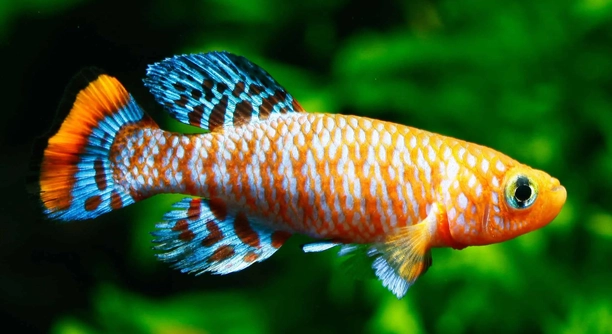
Should Killis Be Acclimated With a Drip?
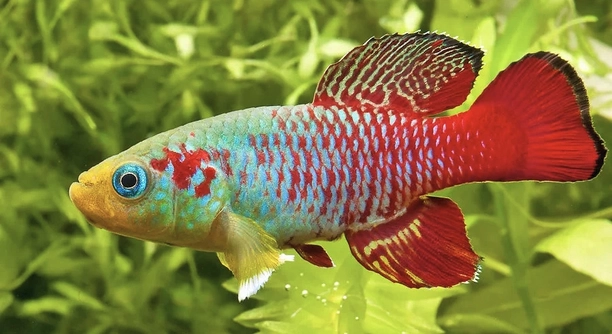
Killis are small, delicate fish that often require careful handling when introduced to new environments. Their sensitivity to water changes means acclimation methods can impact their health and well-being significantly. Many fishkeepers wonder about the best way to ease them into a new tank. Acclimating killifish with a drip method is generally recommended to minimize … Read more

Do Killi Fish Bite Each Other?

Killi fish are popular aquarium pets known for their vibrant colors and small size. Many fish owners enjoy watching their lively behavior in home tanks. Understanding their interactions helps create a peaceful environment for these delicate creatures. Killi fish can bite each other, especially during territorial disputes or breeding periods. Aggression varies by species and … Read more

Why Are Killi Fry Dying After Hatching?

Killi fry are delicate fish that often face challenges immediately after hatching. Many hobbyists notice their tiny fry dying soon after birth, which can be frustrating and confusing. Understanding the reasons behind this common issue can help improve their survival. Killi fry commonly die after hatching due to poor water quality, inadequate nutrition, and improper … Read more

Why Are Killi Fish Called Annual Species?

Killifish are small, colorful fish often kept in aquariums. Many people notice they have a unique life cycle compared to other fish. This special cycle is why they get called annual species. Killifish are called annual species because their life cycle completes within one year. They live in temporary pools that dry up seasonally, so … Read more

Why Do Killis Shake or Quiver Suddenly?

Killis are small, colorful fish often kept in home aquariums. Observing their behaviors can be quite interesting, especially when they suddenly shake or quiver. These movements may catch your attention and make you wonder about their cause. Killis shake or quiver suddenly as a natural response to environmental stimuli, such as changes in water temperature, … Read more

How Often Should You Change Killi Water?

Have you ever found yourself wondering how often your killifish tank needs a water change to keep everything healthy and stable? Killifish water should be changed every 5 to 7 days, depending on tank size, bio-load, and filtration. Regular partial water changes maintain water quality, remove waste buildup, and ensure optimal conditions for your killifish … Read more

Are Annual Killis Easier Than Non-Annuals?

Have you ever been drawn to the vibrant colors and short lifespans of annual killifish, wondering how they compare to non-annuals in care needs? Annual killifish are generally considered easier to care for due to their short lifespans and ability to reproduce quickly, often in temporary habitats. Non-annual killifish typically require more stable, long-term environments … Read more

7 Substrate Choices for Killi Breeding Success

Killi fish are popular for their bright colors and unique breeding habits. Many hobbyists enjoy raising them but sometimes struggle with finding the right environment. One important factor is choosing the best substrate for breeding success. Selecting the appropriate substrate for killi breeding is crucial to provide a safe and supportive environment. Different substrates affect … Read more

Can You Feed Killis Only Freeze-Dried Food?

Have you ever looked at your Killifish’s food and wondered if freeze-dried options alone are enough to keep them healthy and active? Feeding Killifish only freeze-dried food is not recommended. Although convenient, this type of food lacks essential moisture and can lead to digestive issues and nutritional gaps if not supplemented with other food sources. … Read more

7 Causes of Excessive Mucus on Killis

Excessive mucus on killis can be a sign of health concerns in these delicate fish. Understanding what causes this buildup is important for maintaining their wellbeing. Many factors contribute to this common issue in killifish care. Excessive mucus production in killis often results from poor water quality, bacterial or parasitic infections, stress, improper diet, or … Read more