What Happens If Killi Fish Overpopulate?

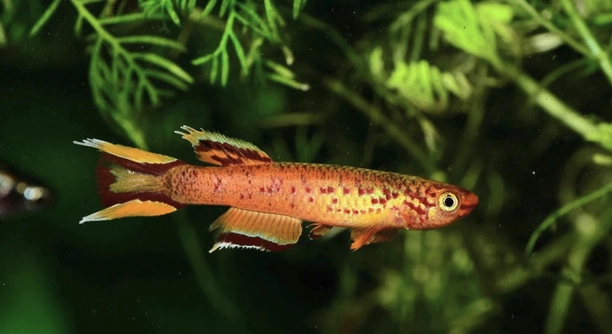
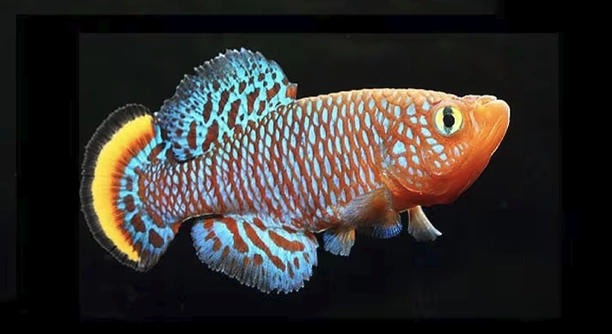
Killi fish are small, colorful freshwater fish often kept in home aquariums. They can reproduce quickly under the right conditions, leading to a large population in a tank or pond. Managing their numbers is important for a balanced environment. When killi fish overpopulate, they compete for limited resources like food and space, which can cause … Read more

7 Reasons Killi Fry Stop Developing

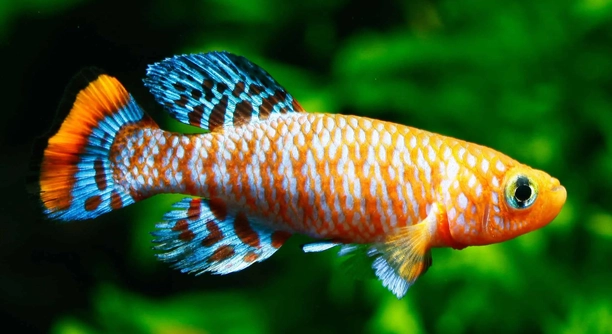
Do your killifish fry seem healthy at first but suddenly stop growing, leaving you wondering what went wrong with their development? The most common reasons killifish fry stop developing include poor water quality, inadequate nutrition, overcrowding, and insufficient lighting. These conditions hinder proper growth and can lead to developmental delays, stunted size, or early mortality … Read more

Can Killi Eggs Survive Shipping Delays?

Killi fish eggs are delicate and require special care during transport. Many hobbyists worry about how shipping delays might affect the survival of these tiny eggs. Understanding the factors involved helps manage expectations and care. Killi eggs can survive shipping delays if kept under controlled conditions such as stable temperature and proper humidity. Prolonged exposure … Read more

Do Killi Fish Bite Each Other?

Killifish are small, colorful fish often kept in home aquariums. Many people enjoy their vibrant patterns and peaceful nature. However, concerns sometimes arise about how they behave around each other in confined spaces. Killifish can bite each other, but this behavior is usually limited and depends on species, tank size, and environment. Aggression may occur … Read more

Do Killi Fish Prefer Sand or Gravel?

Killi fish are popular among aquarium enthusiasts for their vibrant colors and lively behavior. Setting up their habitat properly is essential for their well-being. One important aspect is choosing the right substrate for their tank. Killi fish generally prefer fine sand over gravel as a substrate. Sand mimics their natural environment better and allows them … Read more

7 Signs You’re Overcrowding Your Killis

Keeping Killifish, or Killis, in a tank requires attention to their space needs. Overcrowding can lead to stress, illness, and poor water quality. Knowing the signs can help maintain a healthy and comfortable environment for your fish. Overcrowding Killifish often results in increased aggression, stunted growth, reduced oxygen levels, and a buildup of harmful waste … Read more

Can Killi Fish Be Kept Bare-Bottom?

Do you ever find yourself setting up a tank and wondering if skipping the substrate could make things simpler for your fish? Killi fish can be kept in a bare-bottom tank, and many hobbyists do so for easier maintenance. However, this setup may affect their natural behaviors, especially breeding, which often relies on plants or … Read more

7 Ways to Make Breeding Killi Fish Easier

Breeding killi fish can be a rewarding hobby, but it sometimes presents challenges that discourage beginners. Many enthusiasts look for ways to make the process smoother and more successful. Understanding the basics can help improve results significantly. The key to easier killi fish breeding lies in creating the right environment, maintaining water quality, and choosing … Read more

Are Killi Fish More Active at Night?

Killi fish are small, colorful freshwater fish often kept in home aquariums. Their behavior can vary throughout the day, making some owners wonder about their activity patterns. Understanding when these fish are most active helps create a better environment for them. Killi fish are generally more active during daylight hours but can show bursts of … Read more

7 Causes of Cloudy Water in Killi Setups

Cloudy water is a common concern for those maintaining killi fish setups. It can affect the appearance and health of the tank. Understanding why water becomes cloudy is important for every aquarist. Cloudy water in killi setups usually results from factors like bacterial blooms, overfeeding, poor filtration, uneaten food, decaying plants, substrate disturbance, and water … Read more