Can Killi Fish Catch Parasites Easily?

Killi fish are popular among aquarium enthusiasts for their vibrant colors and active behavior. Many owners want to know more about their health and how well they resist common threats in aquatic environments. Parasites are a frequent concern for small fish species like killis. Killi fish can catch parasites, but their susceptibility depends on factors … Read more

Why Do Killi Fish Swim So Erratically?

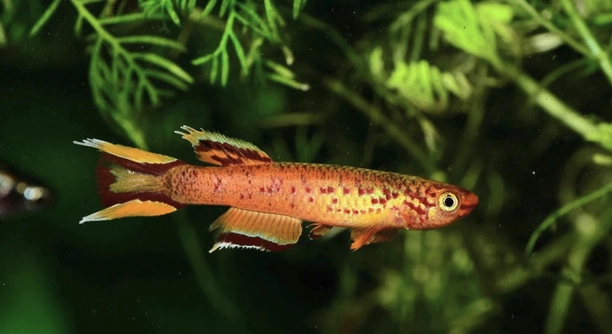
Killi fish are known for their quick, unpredictable movements that catch the eye. Their erratic swimming often puzzles both new and experienced fish keepers. Understanding why they move this way can help in caring for them properly. Killi fish swim erratically primarily as a survival mechanism. Their rapid, darting movements help avoid predators and navigate … Read more

7 Essential Tools for Breeding Killifish

Breeding killifish can be a rewarding hobby for many fish enthusiasts. It requires specific tools to ensure the health and success of the fish. Having the right equipment helps create a stable environment for breeding. Essential tools for breeding killifish include breeding tanks, spawning mops, water conditioners, fine mesh nets, heaters, air pumps, and appropriate … Read more

7 Things to Avoid in a Killi Setup

Are your killifish looking stressed or not thriving in their tank, despite your best efforts to create a comfortable setup? Many common mistakes in a killi setup stem from misunderstanding their specific needs. Issues like incorrect water parameters, poor tank mates, or unsuitable lighting can cause significant stress and shorten their lifespan. Knowing what to … Read more

7 Safe Hiding Spots for Killi Fry

Killi fry are tiny fish that need safe places to hide in their environment. Providing the right hiding spots helps keep them healthy and comfortable. This article shares practical ideas for protecting these delicate creatures. Safe hiding spots for killi fry include dense aquatic plants, moss mats, floating vegetation, and fine-leaved plants. These areas offer … Read more

Should You Use Air Stones With Killi Fry?

Air stones are common accessories in many aquariums. They help circulate water and add oxygen, which is usually good for fish. When caring for killi fry, knowing if air stones are helpful or harmful is important for their growth and survival. Using air stones with killi fry is generally not recommended because the strong bubbles … Read more

7 Cleaning Mistakes That Stress Killi Fish

Keeping killifish healthy means paying attention to their environment, especially how you clean their tank. Mistakes during cleaning can cause stress and harm these delicate fish. Many owners don’t realize that simple errors affect their well-being. Cleaning mistakes such as using harsh chemicals, sudden water temperature changes, and improper filtration maintenance can significantly stress killifish. … Read more

7 Quick Tips to Lower Killi Tank Stress

Are your killifish darting around their tank, hiding often, or refusing to eat despite your best efforts to keep them happy? The fastest way to reduce stress in killifish is by improving water quality, minimizing sudden changes in their environment, and offering plenty of hiding spaces. These small adjustments help restore comfort and balance in … Read more

How to Acclimate New Killifish Safely

Acclimating new killifish to a home aquarium is an important step for their health and survival. Many hobbyists find this process challenging but necessary to avoid stress and shock. Proper acclimation helps the fish adjust safely to their new environment. The safest method to acclimate killifish involves gradually adjusting water parameters such as temperature, pH, … Read more

Can Killis Tolerate Low pH Levels Long-Term?

Killis are popular freshwater fish that many hobbyists enjoy keeping. They often live in waters with varying conditions, which makes understanding their needs important. One key factor for their care is the water’s pH level and how it affects their health. Killis can tolerate low pH levels for short periods but long-term exposure to acidic … Read more