Can You Feed Killi Fish Frozen Foods?

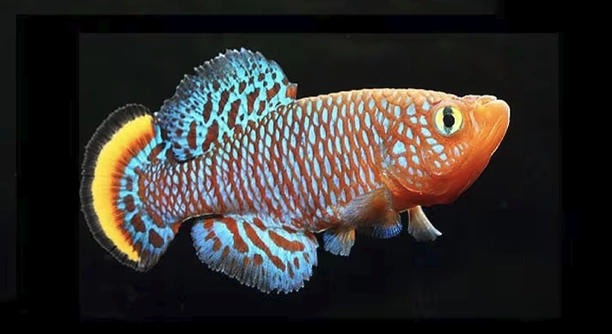
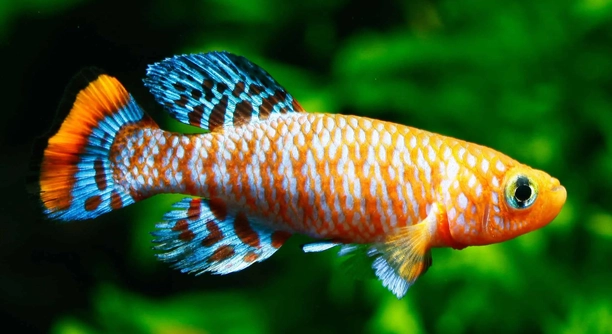
Killi fish are popular pets known for their bright colors and active behavior. Many owners want to provide the best care, including feeding them properly. Knowing what foods work well is essential for their health and happiness. Killi fish can eat frozen foods safely, as these offer good nutrition and mimic their natural diet. Frozen … Read more

Why Are My Killis Lying on the Substrate?

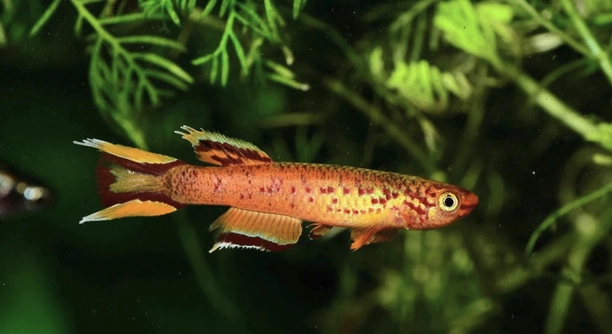
Are your killifish lying on the substrate more often than usual? This behavior can be concerning for many aquarium owners who want to keep their fish healthy and active. Understanding why this happens helps maintain a balanced tank environment. Killifish lying on the substrate typically indicates stress, poor water conditions, or illness. Factors such as … Read more

What Causes Curved Spines in Killi Fry?

Curved spines in killifish fry can be a troubling sight for hobbyists and breeders. These small fish often develop spinal deformities early in life, affecting their movement and overall health. Understanding the causes helps in better care and prevention. Curved spines in killifish fry primarily result from genetic factors, poor water quality, nutritional deficiencies, and … Read more

7 Reasons Killi Fish Lay Unfertilized Eggs

Killi fish are popular for their vibrant colors and unique behaviors. One interesting aspect is their tendency to lay unfertilized eggs, which often puzzles fish keepers. Understanding why this happens can help maintain a healthier aquarium environment. Killi fish lay unfertilized eggs for several biological and environmental reasons. These include stress, lack of a suitable … Read more

7 Things to Do Before Adding New Killis

Adding new killis to your aquarium requires careful preparation to ensure a healthy environment for your fish. Many enthusiasts face challenges when introducing new species without proper steps. These precautions help maintain balance and prevent stress or disease. Before adding new killis, it is essential to quarantine them to avoid spreading diseases. Test and stabilize … Read more

Should You Use a Lid With a Killi Tank?

Have you ever set up a peaceful tank for your killifish, only to realize something might be missing from the top? A small detail like this can actually make a big difference in their well-being. Using a lid with a killifish tank is highly recommended, as killifish are known jumpers and can easily leap out … Read more

7 Ways to Tell If Killi Fish Are Cold

Killi fish are delicate creatures that need just the right water temperature to thrive. Knowing when they feel cold is important for their health and happiness. Paying attention to their behavior can help keep them comfortable. Killi fish showing signs of being cold often exhibit slower movement, reduced feeding, and clustering near heat sources. These … Read more

Are Killis Affected by Room Temperature?

Are your killifish healthy and active in your aquarium? Killifish, also known as killis, are popular for their bright colors and lively behavior. Keeping them comfortable in the right environment is important for their wellbeing. Killifish are indeed affected by room temperature. They thrive best in stable temperatures between 72°F and 78°F (22°C to 26°C). … Read more

What Causes Killi Fish to Twitch Suddenly?

Many fish owners notice their killi fish suddenly twitching and wonder what might be causing this behavior. These quick movements can seem strange and sometimes worrying. Understanding why twitching happens helps in caring for these delicate fish properly. Killi fish twitch suddenly mainly due to environmental stress, irritation from parasites, or changes in water quality. … Read more

7 Killi Fish Behaviors You Shouldn’t Ignore

Killi fish are small, colorful freshwater fish known for their lively behavior. Many hobbyists enjoy keeping them, but understanding their actions is important to ensure their well-being. Observing their natural habits can reveal much about their health and environment. Certain killi fish behaviors indicate stress, illness, or environmental issues that require attention. Ignoring these signs … Read more