How to Create a Natural Killi Habitat

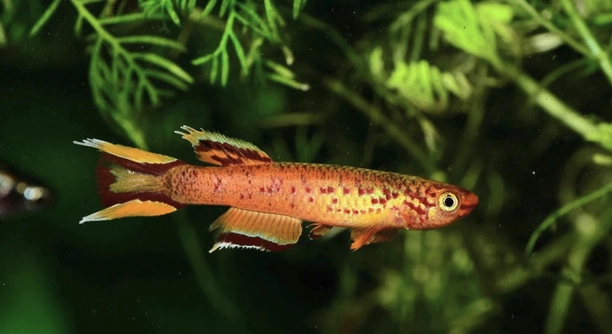
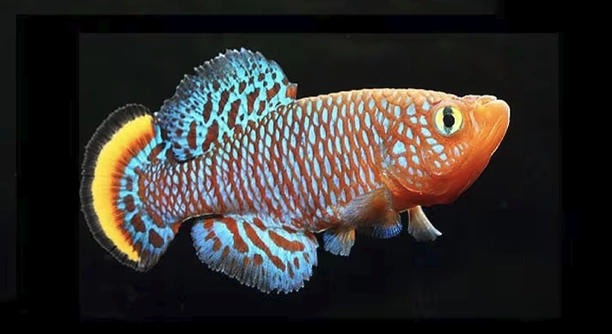
Creating a natural habitat for killifish requires careful attention to their environmental needs. These small fish thrive in settings that mimic their native surroundings. Providing the right conditions helps promote their health and natural behavior. To create a natural killifish habitat, focus on replicating water parameters, plants, and substrate similar to their wild environment. Maintain … Read more

7 Reasons Killi Fish Lay Unfertilized Eggs

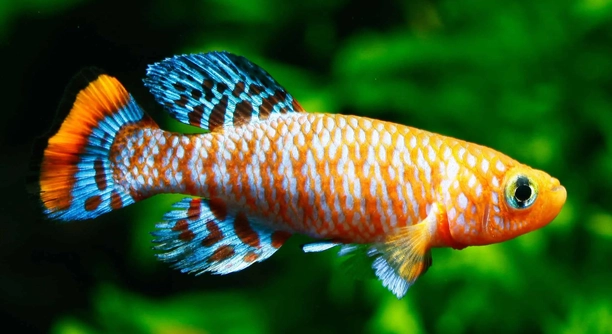
Killifish are fascinating creatures known for their unique breeding habits. One curious behavior is when female killifish lay eggs that remain unfertilized. This natural phenomenon can leave many wondering why it happens in their tanks or ponds. Killifish lay unfertilized eggs due to several biological and environmental factors, including the absence of males, stress, poor … Read more

Are Killi Fish Suitable for Nano Tanks?

Are your nano tanks feeling a little empty, like they’re missing a splash of color or movement? Many fishkeepers turn to smaller species to bring life to compact spaces without overwhelming their setup or routine. Killifish can be suitable for nano tanks, but species selection is key. Some are too active or territorial for small … Read more

Can Killi Fish Catch Parasites Easily?

Are your killifish showing signs of odd behavior or unexpected illness after spending time in their tank? Understanding what causes these changes can help you better care for these small, colorful fish in your home aquarium. Killifish can catch parasites easily due to their sensitive immune systems and the environments they are often kept in. … Read more

Can Killi Fry Eat Powdered Foods Only?

Killi fry are small, delicate fish often kept in aquariums. Their dietary needs are specific to support healthy growth and development. Many aquarists wonder about the best feeding practices for these tiny creatures. Killi fry cannot thrive on powdered foods only. While powdered food can supplement their diet, they require live or frozen foods to … Read more

7 Quick Tips to Lower Killi Tank Stress

Killi tanks create a beautiful environment for keeping small, colorful fish. However, these delicate creatures can experience stress from changes in water, lighting, or tank mates. Managing stress is essential to maintaining a healthy killi tank. Stress in killi tanks often results from poor water quality, sudden changes in the environment, overcrowding, and inappropriate tank … Read more

What Lighting Schedule Works Best for Killis?

Killis are small, colorful fish popular among aquarium enthusiasts. Their care involves attention to many details, including lighting. Proper lighting helps support their natural behaviors and overall health. The best lighting schedule for killifish generally mimics natural daylight, with about 10 to 12 hours of light followed by a period of darkness. Consistent timing helps … Read more

7 Ways to Tell if a Killi Egg Is Fertile

Killi fish eggs are delicate and small, making it tricky to know if they are fertile at a glance. Understanding their development is important for anyone interested in breeding or caring for these unique fish. Fertile eggs have specific characteristics that set them apart. Fertile killi eggs can be identified by several signs, including a … Read more

7 Tricks for Feeding Fussy Killifish

Feeding killifish can sometimes be a challenge, especially when they show picky eating habits. Many hobbyists struggle with finding the right approach to keep their fish healthy and interested in food. Fussy eaters require patience and some smart strategies to encourage feeding. Successful feeding of fussy killifish involves offering varied diets, understanding their natural preferences, … Read more

Do Killis Benefit From Peat Substrates?

Many fish keepers enjoy raising killifish because of their bright colors and unique behaviors. These small, often delicate fish need the right environment to thrive. Choosing the best substrate for their tanks is an important part of their care. Killifish can benefit from peat substrates because peat helps maintain soft, acidic water conditions that mimic … Read more