
7 Common Behavioral Changes in Aging Hermann’s Tortoises
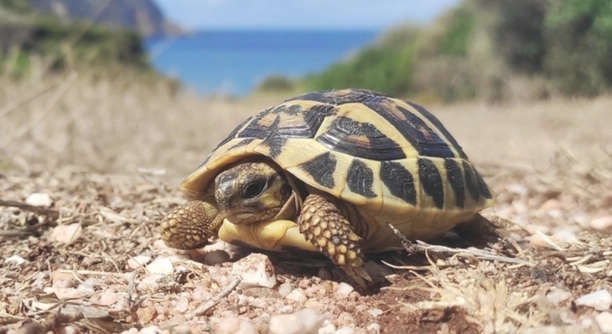
As Hermann’s tortoises age, they go through various changes that can impact their behavior. These shifts can be subtle or more noticeable, and understanding them can help you ensure they remain healthy and comfortable. Aging Hermann’s tortoises often exhibit behavioral changes, such as reduced activity, slower movements, changes in eating habits, and even altered social … Read more
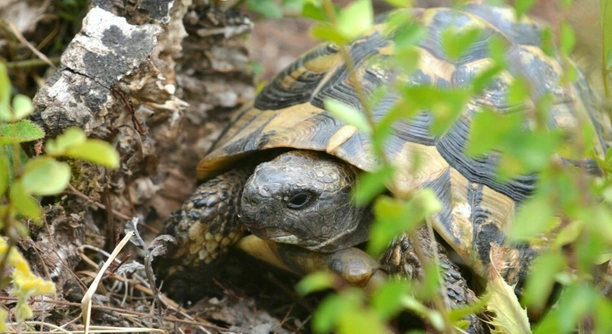
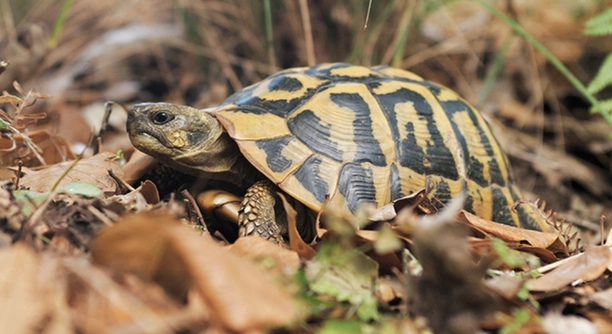
Why Is My Hermann’s Tortoise Ignoring Its Favorite Treats?

Sometimes, your Hermann’s tortoise may seem uninterested in its favorite treats, even when you’re offering them regularly. This can be frustrating, especially when you want to make sure your pet is happy and healthy. The primary reason your Hermann’s tortoise might ignore its favorite treats is due to changes in its environment, health, or diet. … Read more

7 Key Factors in Choosing the Perfect Hermann’s Tortoise Substrate

Choosing the right substrate for your Hermann’s tortoise is essential for creating a comfortable and healthy environment. It’s not just about picking something soft; it plays a key role in your tortoise’s well-being. The perfect Hermann’s tortoise substrate provides adequate moisture, proper temperature control, and supports natural digging behavior. It should be easy to clean, … Read more

Why Is My Hermann’s Tortoise Breathing Heavily?

Is your Hermann’s tortoise breathing heavily? This can be concerning, but there are a few reasons why it might happen. Understanding the cause can help you address it properly and keep your pet healthy and happy. Heavy breathing in Hermann’s tortoises can be a sign of respiratory infections, stress, improper temperatures, or an inappropriate diet. … Read more

7 Best Methods to Help a Sick Hermann’s Tortoise Recover

Hermann’s tortoises are resilient creatures, but when they fall ill, they need special care and attention. Helping them recover requires understanding their needs and providing the right environment. This guide will highlight effective methods for their recovery. The best way to help a sick Hermann’s tortoise recover is by providing a warm, stress-free environment, offering … Read more

Why Does My Hermann’s Tortoise Keep Trying to Climb on Its Back?

Hermann’s tortoises are known for their active and curious nature. Sometimes, they engage in odd behaviors, such as trying to climb onto their backs. Understanding these actions can help you address their needs effectively. The most likely reason for this behavior is that your tortoise is attempting to right itself after tipping over. Tortoises often … Read more

7 Signs Your Hermann’s Tortoise Might Need a Vet Visit

Hermann’s tortoises are hardy creatures but can sometimes show signs of health issues that require veterinary attention. Recognizing these signs early is essential for their well-being and longevity in your care. Several signs indicate that your Hermann’s tortoise might need a vet visit. These include prolonged lethargy, changes in appetite, abnormal shell condition, breathing difficulties, … Read more

Why Is My Hermann’s Tortoise’s Shell Developing Dark Patches?

Hermann’s tortoises are known for their distinct shell patterns. However, dark patches on the shell can raise concerns for owners. Understanding the reasons behind these changes is essential for ensuring your tortoise’s health and well-being. The appearance of dark patches on a Hermann’s tortoise’s shell is often due to a variety of factors, including dietary … Read more

7 Best Lighting Setups for a Happy Hermann’s Tortoise

Lighting is a crucial aspect of caring for your Hermann’s tortoise. Proper lighting mimics natural sunlight, supporting their health and overall well-being. Understanding the right setups can make a big difference in their habitat. The best lighting setup for a Hermann’s tortoise includes a combination of UVB, basking, and ambient light. UVB lighting is essential … Read more

Why Is My Hermann’s Tortoise Scraping Its Shell Against Hard Surfaces?

Hermann’s tortoises are unique creatures that may exhibit various behaviors. One such behavior is scraping their shells against hard surfaces. This common action can be puzzling for owners, especially if it seems out of the ordinary. The primary reason for this scraping behavior is often related to their natural instincts or discomfort. It may indicate … Read more