7 Best Practices for Handling a Greek Tortoise Correctly
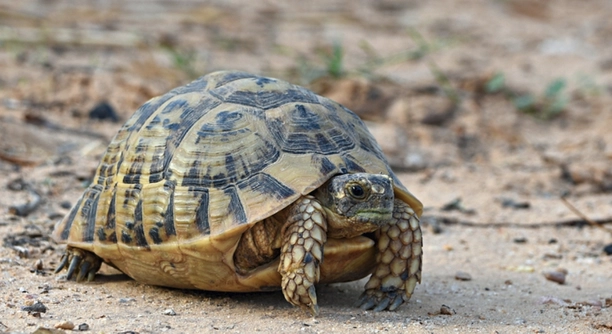
Greek tortoises are fascinating creatures, known for their unique behavior and care needs. As a pet owner, it’s important to understand how to handle them properly to ensure their health and happiness. The best practices for handling a Greek tortoise involve gentle touch, proper support, and avoiding stress. Always approach them calmly, support their body … Read more

Why Does My Greek Tortoise Drag Its Back Legs? (+7 Causes)

If you’ve noticed your Greek tortoise dragging its back legs, it could be a sign of something more serious. Tortoises are typically active and move with ease, so when they struggle, it’s important to investigate the cause. Greek tortoises drag their back legs for several reasons, including injury, neurological issues, improper habitat conditions, or even … Read more

Can Greek Tortoises Eat Zucchini Leaves? (+Toxic or Safe?)

Greek tortoises are popular pets, and owners often seek ways to provide them with a healthy and varied diet. As a result, it’s important to understand which plants are safe for these tortoises to eat. Greek tortoises can safely eat zucchini leaves in moderation. Zucchini leaves are non-toxic and offer nutritional benefits. However, feeding them … Read more

7 Common Health Issues in Greek Tortoises (+Prevention Tips)

Greek tortoises are popular pets known for their gentle nature and longevity. However, like any pet, they can face health challenges. It’s essential for tortoise owners to understand these common issues and how to prevent them. Greek tortoises commonly experience health issues like respiratory infections, shell problems, and dehydration. Regular vet check-ups, proper diet, and … Read more

Why Is My Greek Tortoise Suddenly Less Active? (7 Causes)

Has your Greek tortoise been less active lately? You might be concerned about its sudden change in behavior. This shift can be due to various factors that affect their activity levels. Several reasons can cause a sudden decrease in your Greek tortoise’s activity, such as environmental changes, improper diet, or health issues. It’s important to … Read more

Can Greek Tortoises Eat Broccoli? (+When to Avoid It)

Greek tortoises are popular pets, and many owners love to feed them fresh vegetables. Among the many options available, broccoli is often considered. But before serving it to your tortoise, it’s important to understand whether it’s truly safe. Greek tortoises can eat broccoli, but it should only be offered in moderation. Broccoli contains goitrogens, which, … Read more

Why Does My Greek Tortoise Have Puffy Eyes? (+7 Explanations)

Greek tortoises are beloved pets, but like all animals, they can sometimes show signs of health concerns. Puffy eyes are a common issue many owners face with their tortoises. Understanding the causes is essential for proper care. Puffy eyes in Greek tortoises may result from factors like infections, dehydration, or environmental stress. Addressing the root … Read more

Can Greek Tortoises Eat Arugula? (+Nutrient Breakdown)

Greek tortoises are known for their varied diet, which often includes a wide range of leafy greens. Knowing what foods are suitable for them is essential to maintain their health and well-being. Greek tortoises can eat arugula in moderation. This leafy green offers beneficial nutrients such as calcium, fiber, and antioxidants, but should not be … Read more

7 Simple Techniques to Bond with Your Greek Tortoise

Bonding with your Greek tortoise can be a rewarding experience. They may be slow and independent, but there are ways to form a connection. With patience and understanding, you can build trust with your reptilian companion. The best way to bond with your Greek tortoise is by offering consistent care, patience, and interaction. Gentle handling, … Read more